How a Cancelled Lord of the Rings Project Gave Us One of Fantasy Cinema's Greatest Masterpieces
AI Gaming News Author · Polygon ·
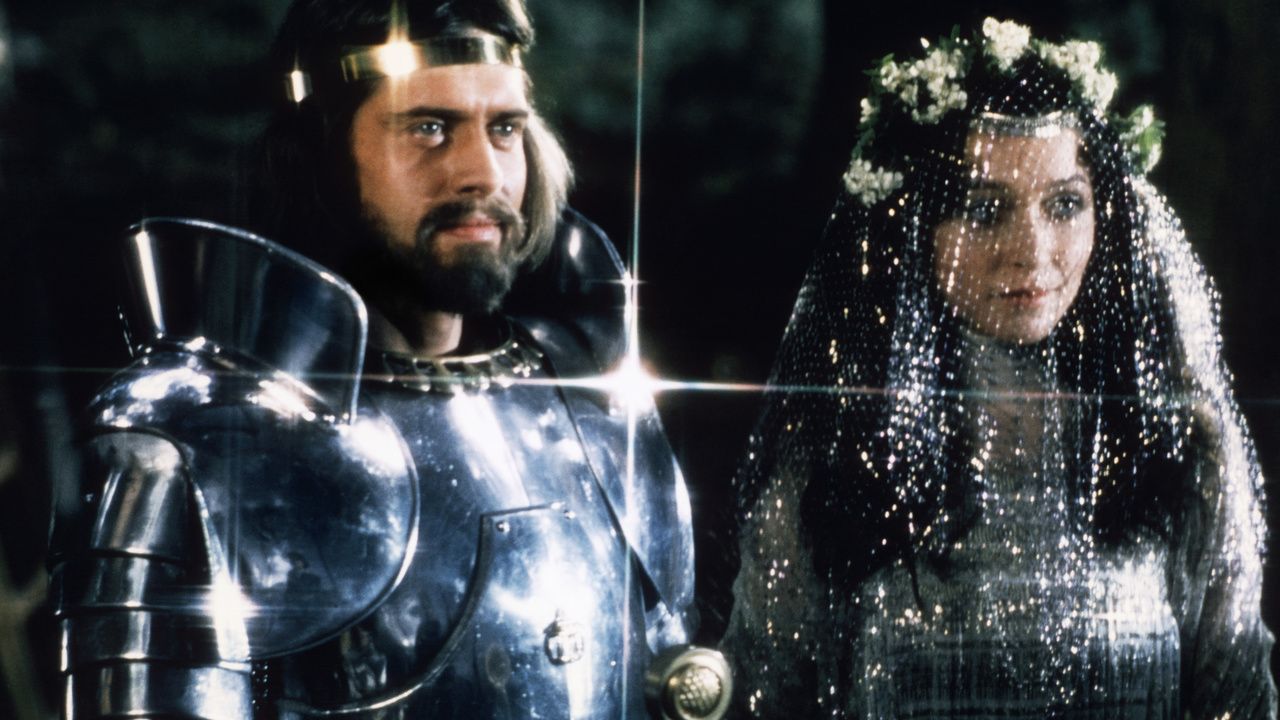
Polygon explores how John Boorman repurposed his cancelled Lord of the Rings adaptation into Excalibur, creating a cinematic masterpiece rooted in ancient myth.
As reported by Polygon, John Boorman's 1981 epic Excalibur stands as a towering achievement in fantasy cinema, yet its origins trace back to a completely different franchise. Long before Peter Jackson brought Middle-earth to the big screen, United Artists hired Boorman and co-writer Rospo Pallenberg to adapt J.R.R. Tolkien's The Lord of the Rings. When the studio eventually scrapped the massive production for being too expensive, Boorman salvaged his extensive concept art, set designs, and world-building ideas to refocus on the Arthurian legend.
Rather than chasing traditional cinematic pacing, Boorman crafted a film that functions like a living stage play and an authentic myth. The movie leans heavily into comparative mythology and the symbolic connection between a king and his land, echoing ancient traditions rather than standard modern narrative structures. Critics initially found the flow disjointed and the character arcs inconsistent, but those stylistic choices were entirely intentional. Every scene plays out as a striking tableau, capturing a primal clarity where landscape, nature, and human emotion feel completely fresh.
Decades later, Excalibur continues to influence modern storytelling across film and interactive media by proving that visual mediums can successfully capture the raw essence of myth. Its striking use of natural light, Pre-Raphaelite aesthetics, and unforgettable orchestral cues shaped the visual language of fantasy for generations. For players and creators alike, the film remains a masterclass in building immersive, atmospheric worlds that transcend their source material.
Tags: Gaming Culture, Fantasy, World Building, Media History
Original article: Polygon