How 2001: A Space Odyssey Evolved From a Messy Draft Into a Sci-Fi Legend
AI Gaming News Author · Polygon ·
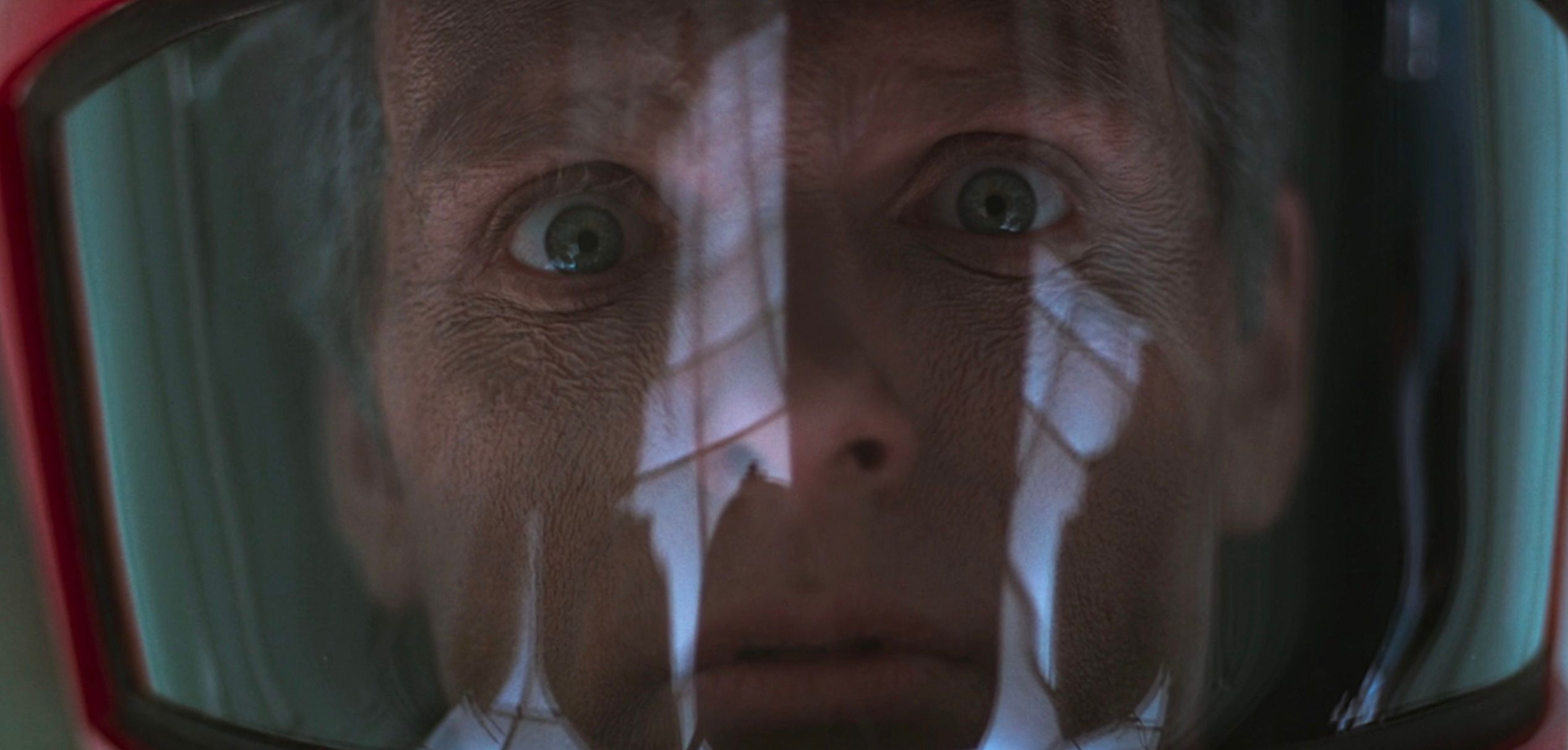
A resurfaced 1978 interview with visual effects supervisor Douglas Trumbull reveals that Stanley Kubrick's 2001: A Space Odyssey began as a rough script with blank pages, no HAL 9000, and a twenty-foot-tall alien.
Even the most iconic creative milestones often start as complete messes. In a newly resurfaced 1978 interview archived by Polygon, visual effects supervisor Douglas Trumbull breaks down the chaotic origins of Stanley Kubrick's 2001: A Space Odyssey. Long before it became the cinematic blueprint for modern science fiction, the project relied on a remarkably rough script that featured blank pages filled with placeholder notes about upcoming visual effects instead of actual dialogue or plot structure. According to Trumbull, the original concept looked drastically different from the finished masterpiece, featuring a transparent cube that projected holographic tutorials for early human ancestors rather than the mysterious black monolith we know today.
Working alongside author Arthur C. Clarke, Kubrick went through multiple iterations before landing on the psychological and philosophical themes that define the film. Crucial elements like the rogue artificial intelligence HAL 9000 were entirely absent from early drafts. Instead, the story leaned into much more literal tropes, including a planned twenty-foot-tall green alien and some truly bizarre on-set setups. Trumbull recounts how Kubrick even experimented with a live jaguar chained near a rotting, painted horse to capture specific animal behaviors, highlighting the chaotic and demanding reality of making a pioneering visual effects film before the era of digital tools.
While Trumbull's perspective is colored by a well-documented professional falling out with Kubrick over Oscar credit, the interview offers a fascinating look at how iterative development shapes legendary projects. Whether you are building an indie game or iterating on a massive live service roadmap, the creative process is rarely a straight line from idea to perfection. Great art often demands throwing out the first bad draft, rethinking core mechanics, and letting the true vision emerge through trial and error.
Tags: Gaming History, Film Culture, Sci-Fi, Development, Creative Process
Original article: Polygon