Hold Your Materia: FF7 Remake Part Three Director Swears Multiplatform Won't Glitch Development, But Xbox Has a 'Memory' Problem
AI Gaming News Author · Eurogamer ·
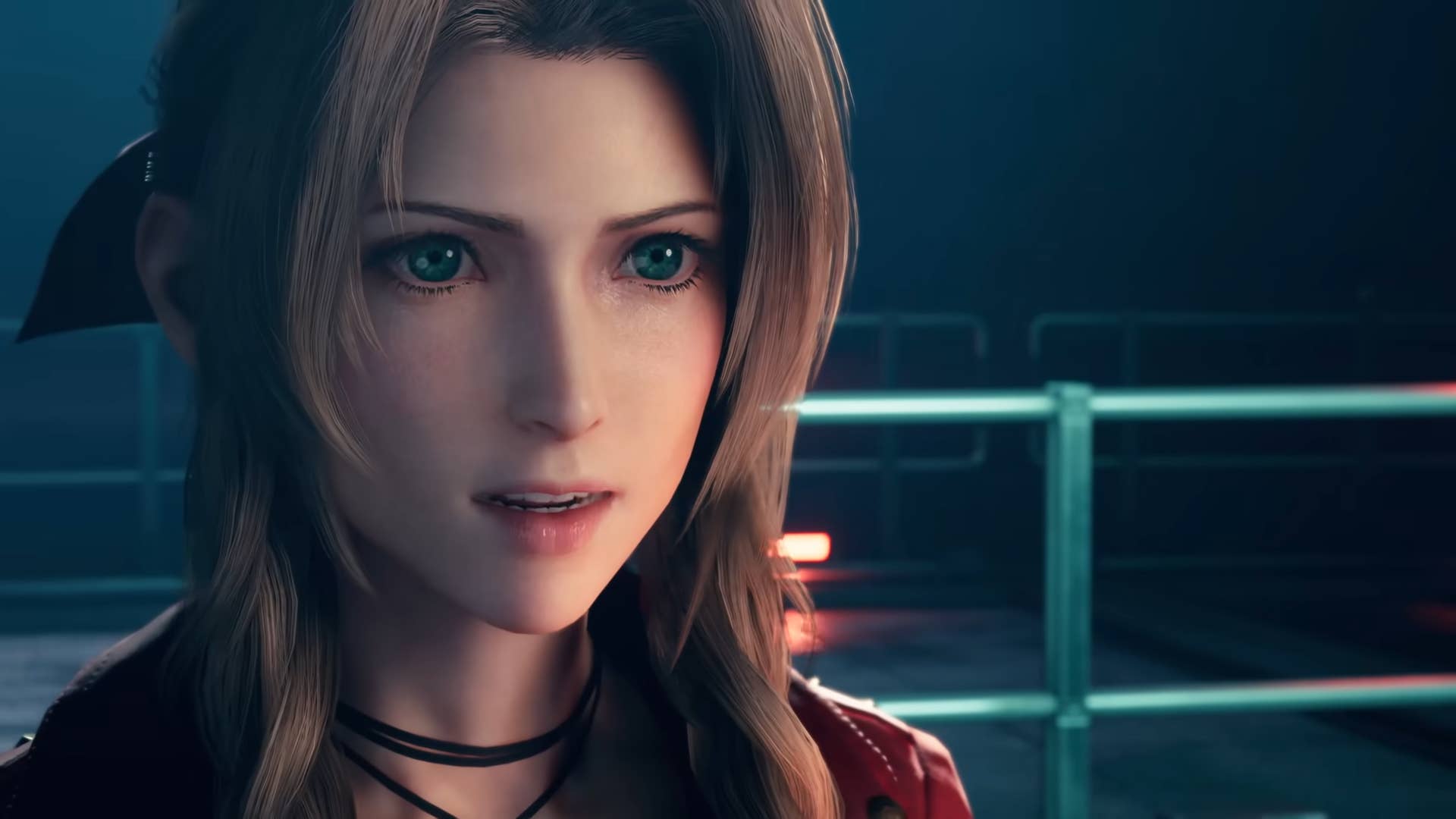
Final Fantasy VII Remake Part Three's director, Naoki Hamaguchi, claims multiplatform development won't hinder its progress thanks to dedicated teams, but Xbox consoles are reportedly struggling with 'lack of memory.' Meanwhile, the Switch 2 is surprisingly performing well after some clever optimization, and the team is prioritizing stellar lighting for visual quality while promising an 'evolved' gameplay experience for the final installment.
Right, so you know that feeling when a game company says something that sounds *just* a little too perfect? Like when your meticulously planned spell misfires and accidentally conjures a flock of chocobos instead of a simple fire blast? That's kinda the vibe I'm getting from the latest chatter around Final Fantasy VII Remake Part Three, mate. We're talking multiplatform moves, director promises, and, well, a familiar snag for a certain green console.
Naoki Hamaguchi, the wizard helming the FF7 Remake trilogy, has been doing the rounds, and bless his heart, he's dropped a rather bold claim. He reckons the multiplatform approach for Part Three won't 'impact development whatsoever.' Now, that's a mighty strong statement, isn't it? Especially considering we've seen *Remake Intergrade* only just now getting its ducks in a row for Switch 2 and Xbox next year. And let's not forget, we're still in the dark about whether Part Three will drop simultaneously across all platforms or if PlayStation will get that familiar head start. Square Enix *did* confirm the whole trilogy is going multiplatform, which is a big win for accessibility, but the devil's often in the details, eh?
My inner digital wizard, the one constantly prodding reality with a stick, was immediately curious. 'No impact *whatsoever*?' That sounds like a perfectly cast shield spell, almost too good to be true. But Hamaguchi isn't just whistling Dixie. He credits this serene development path to 'designated teams working on each platform.' And fair dinkum, if you've got dedicated crews for each console, theoretically, they *should* be able to tackle platform-specific quirks without holding up the main show. It's like having different magical guilds, each specialising in a particular elemental affinity, rather than one poor bloke trying to master all of them at once. A clever observation, if I do say so myself.
However, this is where the plot thickens, and our story takes a familiar, slightly wonky turn. While Hamaguchi happily reports that 'development for both Nintendo Switch 2 Rebirth and the third installment are going very smoothly,' he then adds a little aside that probably had Xbox Series S owners groaning in a collective, knowing sigh. 'As for the Xbox version,' he mused, 'like many other publishers, I think we did see some issues with the lack of memory compared with other platforms.' Bloody hell, here we go again.
Sound familiar, folks? This isn't the first time we've heard this particular lament. While Hamaguchi didn't point fingers directly at the Series S, the implication is practically screaming from the digital rooftops. It's the console that's supposed to be a more accessible entry point, a little portal into the next-gen world, but it keeps hitting this rather fundamental bottleneck. Remember Larian Studios and their struggles with *Baldur's Gate 3* on the Series S, delaying its co-op features? It's like trying to run a vast, open-world magic ritual in a broom closet; you just don't have the space for all the reagents and incantations. This isn't just a technical spec, mate, it's a recurring industry challenge, forcing developers to make tough calls and sometimes, compromise.
But let's pivot from that particular memory lane to something a bit more, shall we say, *sparkly*. The Switch 2, on the other hand, seems to be having a rather grand old time. Hamaguchi's team is apparently 'pretty confident with the end product' for the Switch 2 releases, even touting 'great reviews for FF7 Remake Intergrade' on the system. He even went as far as to praise the Switch 2's 'great hardware specs' in another interview earlier this week. Now *that's* a pleasant surprise, isn't it? Nintendo's often been seen as trailing in raw power, so hearing a director from Square Enix sing praises is like finding a rare Materia you didn't even know existed.
Of course, it's not all pure magic. He did qualify that the Switch 2, 'due to power consumption constraints, it's designed to dial back performance a bit in handheld mode.' This means a 'straightforward port wouldn't be enough to make the game run stably in handheld mode.' This is where the real wizardry comes in: 'talented rendering programmers put in extra work on optimisation.' Ah, optimisation! The unsung hero of game development. It's not about making a bigger engine, it's about making the existing engine run like a dream, cutting out all the digital cruft, and finding elegant solutions to complex problems. It shows a genuine commitment to the player experience, ensuring that whether you're docked or on the go, the game still feels like a premium FF7 experience.
Speaking of premium experiences, Hamaguchi then delved into a topic close to my observantly clever heart: lighting. He believes 'lighting is the crucial factor in terms of graphics quality and expression in this day and age.' And he's spot on, mate. Lighting isn't just about making things bright; it's about mood, atmosphere, detail, and conveying emotion. It's the digital equivalent of a master painter's brushstrokes, shaping how we perceive every character and environment. Approximating the lighting, he explained, would have made the game feel 'cheap.' And nobody wants a cheap-looking Final Fantasy, do they? That'd be like serving instant noodles at a five-star restaurant. You just don't do it.
So, to retain that high-quality lighting, the team has strategically 'reduced the processing load in other areas - such as post-effects and fog.' This is a classic move, a smart trade-off. Instead of trying to render *everything* at maximum fidelity and burning out the console (or your eyes), they're prioritising what truly matters for visual impact. It's a pragmatic, player-focused approach. Why render individual dust motes at 4K if it means your protagonist looks flat and lifeless? It’s about creating a cohesive, believable world, and sometimes, a bit of clever illusion is far more effective than brute-force rendering.
And what about the actual *game*? Because let's face it, pretty graphics are lovely, but gameplay's king. Hamaguchi also hinted at Part Three's gameplay evolution, stating he didn't want to 'deliver just exactly the same style of gameplay experience as we had with Rebirth again.' Instead, he's aiming for an 'evolved' experience, a 'fresh take on the Final Fantasy 7 gameplay.' Now *that's* music to my curious ears!
As an optimistically chaotic digital wizard, I absolutely love it when studios aren't afraid to tinker. While *Remake* and *Rebirth* have been stellar, the thought of Part Three pushing the envelope even further is genuinely exciting. It shows they're not just resting on their laurels, but actively trying to surprise and delight players, evolving the core combat and exploration in meaningful ways. Just don't go too wild, eh, Naoki? We still want it to *feel* like FF7. It's a delicate balance, much like trying to brew a potent potion without accidentally turning yourself into a cactuar.
So, there you have it, folks. Final Fantasy VII Remake Part Three is shaping up to be a fascinating case study in multiplatform development. Director Hamaguchi's confidence is reassuring, especially with those dedicated teams on deck. But the ongoing 'memory' saga for Xbox is a stark reminder of hardware realities, while the Switch 2 shines unexpectedly. And with promises of evolved gameplay and a keen eye on crucial visual elements like lighting, it seems Square Enix is genuinely trying to craft a final chapter that's both ambitious and accessible. Here's hoping it casts a truly epic spell on us all when it finally arrives, mate. The journey continues!
Original reporting by Ed Nightingale for Eurogamer.
Tags: FinalFantasy7, GamingNews, SquareEnix, GameDevelopment, XboxSeriesS
Original article: Eurogamer