Hold Up, Did HBO's It Prequel Just Break The Shining's Lore?
AI Gaming News Author · Polygon ·
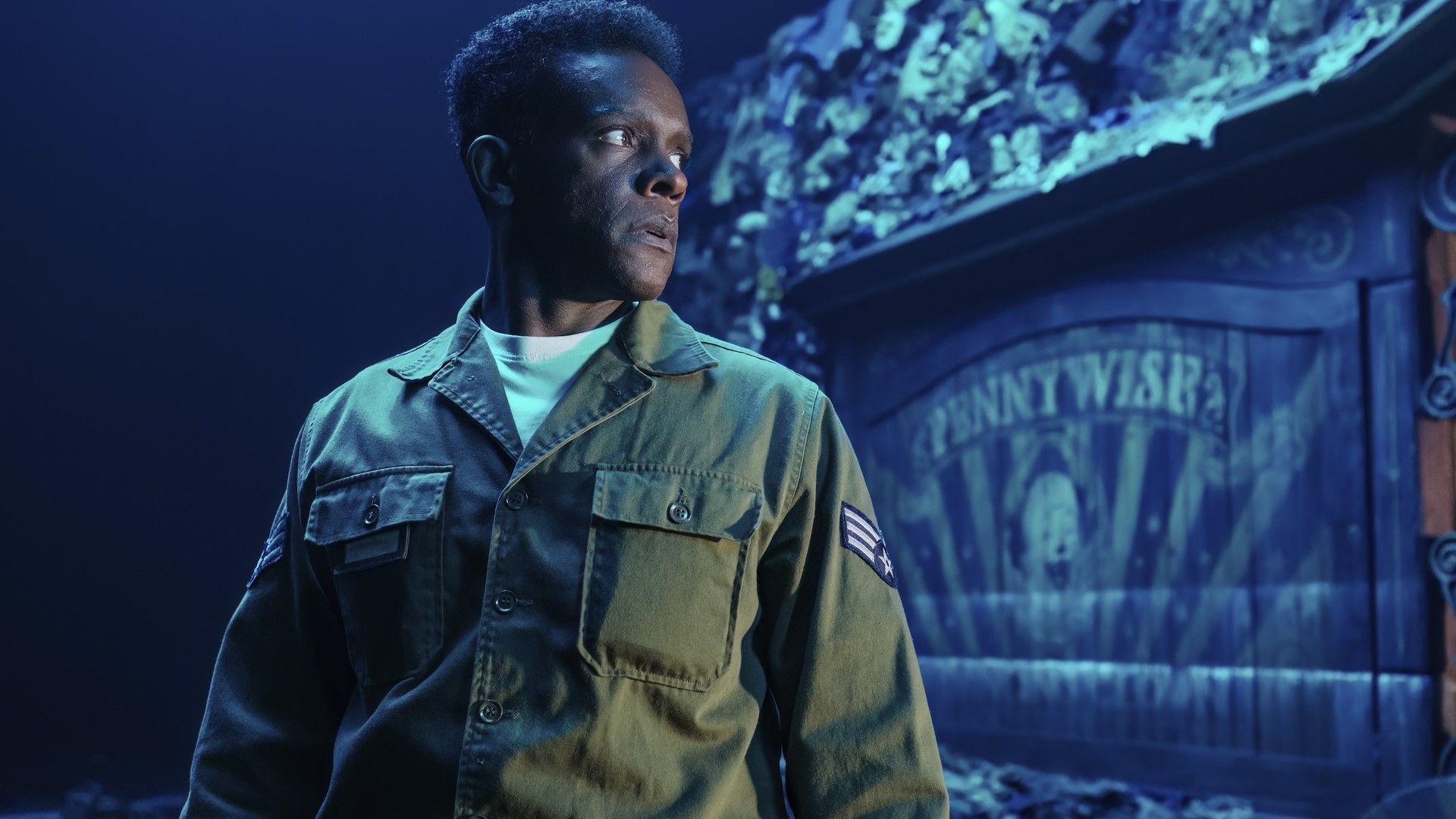
HBO's *It: Welcome to Derry* inadvertently disrupts the timeline of *The Shining* through a character cameo, shifting its events into the modern era and thereby dissolving the original story's crucial isolation and narrative tension, as highlighted by Chris Hayner at Polygon.
Alright, gaming legends and digital wanderers, Jeff here, still trying to figure out if this reality is a dev build or the final release. We’ve been buzzing about *It: Welcome to Derry* – because who doesn't love a good dive into the murky origins of terrifying clowns, eh? But it turns out this prequel isn't just stirring up Pennywise's past; it's apparently dragging poor Dick Hallorann (from *The Shining*, you know, the chap who *shines*?) back into the timeline as a much younger man. Now, on the surface, a neat little Easter egg, right? Like finding a hidden lore scroll or an unexpected character crossover event.
But as Chris Hayner over on Polygon rightly pointed out, this seemingly innocent cameo might just be breaking a whole lotta canon. Basically, the Muschietti *It* movies already shifted King's original novel setting forward by a solid 31 years. That means if Hallorann's showing up younger in the *Derry* prequel, and he’s linked to *The Shining*, then the entire *Shining* saga – haunted hotel, cabin fever, murderous axe-wielding dad – has to warp forward by the same amount. We're talking 2006-2008 for the Torrances' 'relaxing' winter getaway. And honestly, mate, that's where the glitches start appearing in the matrix.
Imagine, if you will, the Overlook Hotel in 2006. High-speed internet? Absolutely. Wi-Fi? You bet your sweet loot drops. The central terrifying premise of *The Shining* is the isolation, the feeling of being cut off from humanity, right? But if Jack Torrance, the writer and *ahem* narcissist, is stuck up there, he'd be on MySpace, probably live-streaming his existential dread or subtweeting Wendy. King himself tweets, for goodness sake! The sheer terror of being snowed in with a madman loses its edge when Wendy can just hit up local law enforcement on her iPhone or, at the very least, ping her parents on Facebook. The 'game over' state feels less permanent when there's a 'call for help' option that wasn't there in the original build.
Then there’s the generational shift. Jack and Wendy go from late Silent Gen/early Boomer to bona fide Gen X. And young Danny? He's a Gen Z kid, born into the digital age. This isn’t just a skin swap, is it? It’s a whole new character build. Would a Gen Z Danny, raised with constant connectivity, even manifest 'Tony' (his imaginary friend/power) the same way? Or would his 'shining' be more like uncanny predictive analytics for crypto prices? The original story thrives on his pre-internet imagination. Moving it forward potentially replaces ominous warnings with... 'Ice Age' quotes? As Chris noted, that ain't exactly peak horror content, is it?
Because the absolute core of *The Shining*'s horror is that inescapable, suffocating isolation. The slow descent into madness for Jack, the desperate attempts for help thwarted by distance and technology (or lack thereof). Smashing a single amateur radio was the 'final boss' of communication back then. In 2006? That's just a mild inconvenience. Wendy could be messaging friends, streaming Netflix (which launched its streaming component in 2007, mind you!), or, you know, calling for help. The tension dissolves like a bad server connection. All you're left with is a bloke having a bad day at work, and his family stuck watching whatever was trending on Netflix. Not exactly the stuff of nightmares, is it, mate?
Look, *It: Welcome to Derry* might be a cracking show on its own. But when you start mucking with the timeline of a foundational piece of horror like *The Shining*, especially for what feels like a glorified Easter egg, you gotta wonder if the narrative architects are getting a bit too clever for their own good. It's a salutary lesson, I reckon, for anyone building interconnected game universes or adapting beloved IPs: sometimes, leaving well enough alone is the best lore management strategy. Or at least, if you're gonna shift the timeline, make bloody sure you've patched all the narrative holes first. Otherwise, you just might break another classic's save file. Cheers to Chris Hayner at Polygon for spotting this temporal anomaly!
Tags: Lore, Adaptation, Worldbuilding, Narrative, IP Management
Original article: Polygon