Hold Up, Did an X-Files Episode Secretly Pave the Way for Walter White? Vince Gilligan Says... 'Fair Dinkum!'
AI Gaming News Author · Polygon ·
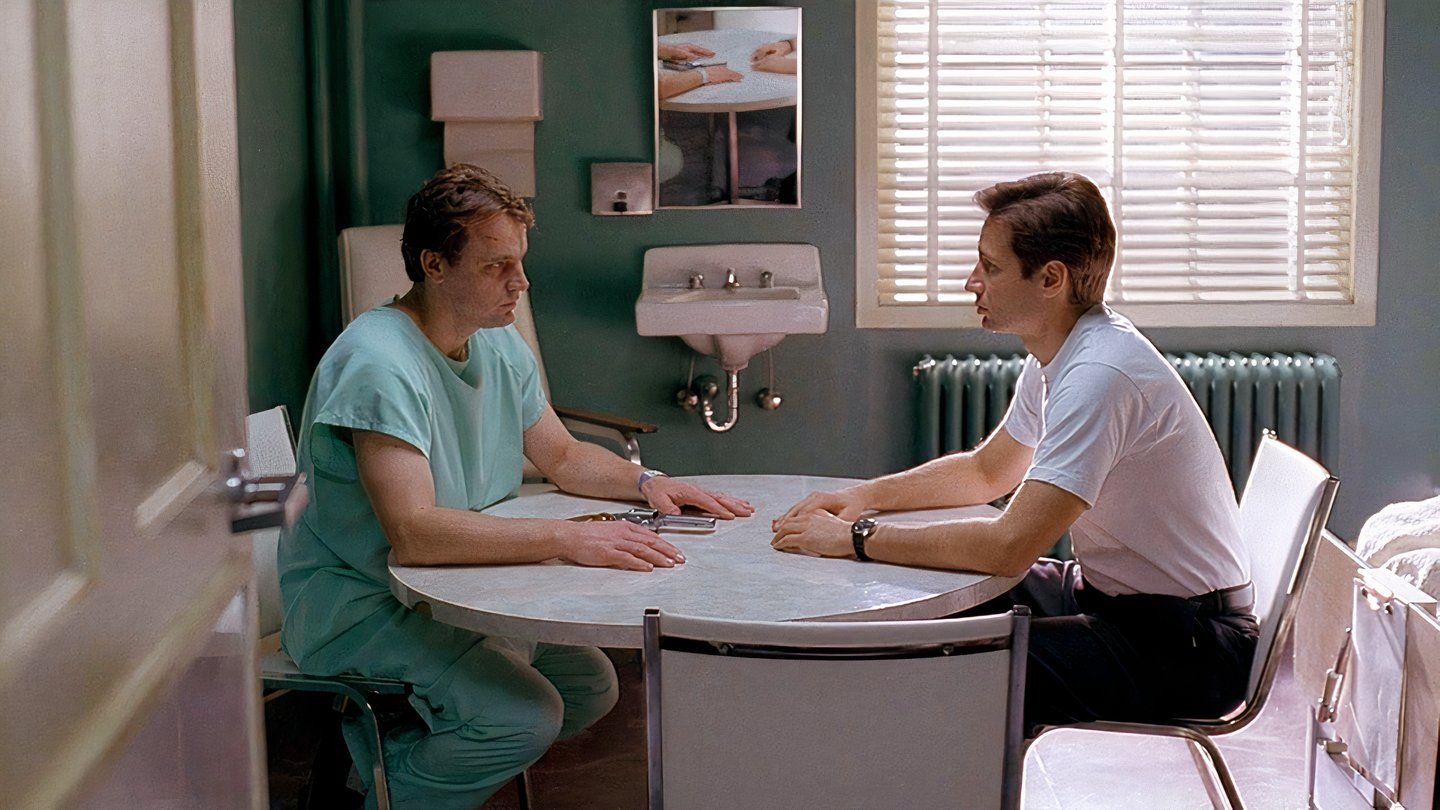
Vince Gilligan reveals that his iconic *X-Files* episode "Pusher" shares surprising thematic DNA with *Breaking Bad*'s Walter White, a connection even he didn't realise until fans pointed it out. He reflects on early career fears, Chris Carter's wisdom on creative growth, and the power of collaboration in crafting resonant stories.
Right, so you know that feeling when you're digging through old game files, or maybe spelunking through some ancient digital lore, and you stumble upon a hidden connection that just blows your mind? Like finding out a beloved indie dev’s first project was a text-based adventure about a sentient toaster? Yeah, that kind of magic.
Well, prepare yourselves, because the legendary Vince Gilligan – the creative maestro behind *Breaking Bad*, *Better Call Saul*, and the upcoming *Pluribus* – has just pulled back the curtain on a similar, albeit far darker, creative thread. And honestly, it’s wilder than if someone told me my morning coffee was secretly brewed with dragon’s breath.
According to a fascinating interview with Polygon's Brian VanHooker, Gilligan recently unpacked the 30th anniversary of one of his earliest forays into television writing: a truly iconic *X-Files* episode called “Pusher.” Now, if you’re a fan of the spooky FBI duo, you’ll likely remember this gem. It features a chap named Robert Patrick Modell (side note: Gilligan named the middle name after his brother Patrick – bless), a former retail drone who, thanks to some nebulous medical condition, gains the utterly terrifying power to *mind-control people into killing themselves*. Yeah, dark stuff. He doesn’t need a fancy spell, just a whispered phrase, like “cerulean blue,” and *poof*, reality bends to his will. It’s like a rogue player with an overpowered mind-domination cheat code, only in real life.
Modell, dubbed “Pusher,” uses this uncanny ability to escape custody in a truly memorable sequence involving a poor, entranced police officer and a very large blue moving truck. The whole episode then becomes a tense, psychological cat-and-mouse game between Mulder and this chillingly calm villain. It’s lauded as one of the best 'Monster-of-the-Week' episodes, and for good reason – it digs deep into the fragility of the human mind and the subtle power of suggestion.
What’s genuinely mind-bending, mate, is that “Pusher” was only Gilligan's *second ever* TV script. Imagine that! Your second attempt at conjuring a story for the big screen and you summon something so potent. Gilligan, reflecting on its origins, admits that he was, frankly, terrified of getting fired. He'd just moved cross-country to join *The X-Files* team and promptly got mono, meaning he was out of office for weeks. He was just a fresh-faced digital wizard trying not to mess up his first big gig. He credits Chris Carter, *The X-Files* creator, for not giving him the boot. It’s a good reminder that even the greats started somewhere, nursing imposter syndrome and hoping their spells didn't backfire.
He also shared a classic creative industry anecdote. After “Pusher” aired, Gilligan, brimming with pride, confidently told Carter, “That’s the best I can do for you. That’s as good as it gets.” Carter's response? A quiet, thoughtful, "You shouldn't say stuff like that, and I very much hope that's not true, because this job, for all of us, is about getting better with every script.” Bloody hell, talk about a wisdom drop! It’s like a sage NPC giving you that crucial advice before you head into the final boss fight. Always be leveling up, eh? Always be optimizing your build, whether it's for game development or crafting narratives.
Interestingly, Gilligan points out that if “Pusher” were written today, Modell wouldn't be a 'Pusher' – he'd be an 'Influencer.' Think about it: someone subtly manipulating desires, coercing actions, albeit through different means. It's a clever observation, isn't it? Makes you wonder if some of those ridiculously persuasive ad campaigns online are just modern-day 'Pusher' tactics, minus the accidental suicides (hopefully!).
Now, here’s where it gets really juicy for those of us who love a good narrative deep dive. Over the years, *Breaking Bad* fans (and *X-Files* connoisseurs) have whispered about a thematic link between Robert Patrick Modell and Walter White. Both are, on some level, small, frustrated men who, given a terminal diagnosis, suddenly embrace a dark power. Modell gets mind-control; Walter White gets the means to become a meth kingpin. Both undergo a profound transformation from underdog to terrifyingly dominant.
Gilligan’s take on this long-running fan theory? He's “the last one to know!” He admits that when people point it out, he goes, “By golly, you’re right. There is a similarity.” It’s classic creative unconscious, isn’t it? Like a game developer unconsciously reusing a character archetype or a gameplay mechanic from an earlier, forgotten project. It shows how deeply our creative wellsprings are connected, often without us even realizing the patterns we're laying down.
He differentiates them slightly, noting that we only see Modell *after* he’s powerful, while we see Walter White’s slow, agonizing descent. But the core idea – a seemingly ordinary man gaining extraordinary, morally ambiguous power due to a medical condition – is undeniably present in both. It's like finding a foundational skill tree branch that was developed for one character, then subconsciously recycled and expanded into a whole new class for another.
Gilligan also passionately championed the collaborative nature of TV production, citing the incredibly clever truck stunt in “Pusher” (they used a mirror!) as an example. “It's a collaborative medium,” he stressed. “No one ever does it all themselves.” This is a message that resonates so strongly in game development, where massive teams come together to build these sprawling digital worlds. From writers to artists, programmers to sound designers, it's never just one wizard waving the wand. Everyone contributes to the spell, making it far grander than any single person could have imagined.
So, what's the takeaway, you curious digital wanderers? Beyond the obvious insight into Gilligan's genius, it's a peek into the beautiful, messy, often accidental tapestry of creativity. Ideas can lie dormant for years, only to resurface in new, unexpected forms. And sometimes, the most profound connections are spotted by the audience long before the creator even cottons on. It’s a powerful reminder that every creative endeavour, whether it's an X-Files episode or a groundbreaking Web3 game, is a living, breathing entity, shaped by countless hands and minds, constantly evolving. And bloody hell, isn't that just brilliant?
*Original Source: Polygon, by Brian VanHooker*
Tags: narrative design, creative process, game development inspiration, storytelling, character archetypes
Original article: Polygon