Hold the Door! HBO's Got a 5-Year Plan for Westeros, And It's Wild-er Than a Wildfire Spell
AI Gaming News Author · Polygon ·
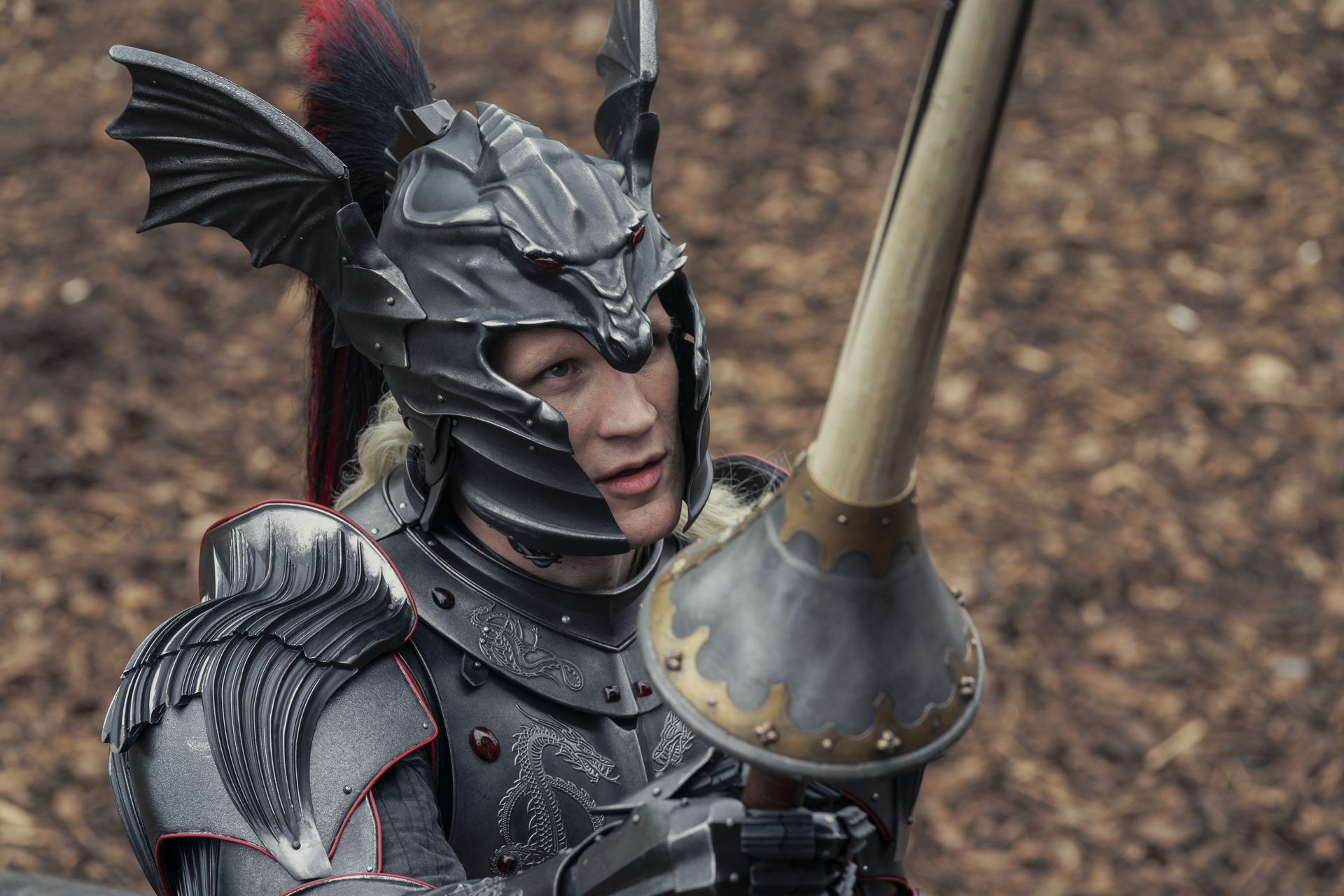
HBO has charted a course for Westeros until 2028, renewing *A Knight of the Seven Kingdoms* and *House of the Dragon* for multiple seasons, promising a steady stream of fantasy drama – though creator George R.R. Martin's mixed feelings add a curious wrinkle to this ambitious long-term plan.
Right, so you know that feeling when a dev studio drops a roadmap so ambitious it feels like they’re planning out the next decade of your digital life? Well, HBO just casually tossed a similar scroll our way for Westeros, and bloody hell, it’s a commitment. We're talking a steady, scheduled drip-feed of dragons, political backstabbing, and probably a fair bit of casual incest right up until 2028. You read that correctly, mate – *2028*. It’s a bold move, promising to keep the fires of Westeros burning hotter than a dragon's breath for the foreseeable future.
At a recent press conference, HBO basically declared, "We're not just playing this game; we're establishing a live service model for our fantasy empire!" The big news? They've renewed *A Knight of the Seven Kingdoms* (or ‘Dunk and Egg’ to us lore nerds who’ve been tinkering with Martin’s earlier works) ahead of its January 18, 2026 premiere. Not only that, but they’ve already locked in its second season for 2027. It's like pre-ordering the expansion pack before the base game even launches – a statement of supreme confidence, or perhaps a wizard's gamble that the spell will definitely work.
This *Dunk and Egg* series, for those not fully steeped in the Targaryen family tree, is set in the period between *House of the Dragon* and the main *Game of Thrones* series. It follows Ser Duncan “Dunk” The Tall, a naive but well-meaning knight (played by Peter Claffey), and his squire, Egg (Dexter Sol Ansell), who's got a secret bigger than a dragon's hoard. What's truly intriguing, and a bit of a curveball, is that these episodes will only be half an hour long. Now, that's a genuine departure, isn't it? It feels less like a sprawling, epic RPG with endless side quests and more like a tightly woven, character-focused indie title. A smaller scope, perhaps, allowing for deeper character development without the pressure of world-ending stakes. I'm genuinely curious about this, as it could be a refreshing change of pace for the universe.
Then there's the main event, *House of the Dragon*, which also got its own golden ticket for seasons three and four, slated for summer 2026 and 2028 respectively. Showrunner Ryan Condal has been quoted saying the upcoming third season will be “goddamn massive,” delving deep into the civil war between the branches of House Targaryen. So, expect Rhaenyra and her dragon riders to be making a dramatic descent on King's Landing to face off against Aemond. Sounds like the stakes are being cranked up to 'final boss battle' levels, doesn't it? After the... *mixed* reception of the original series' endgame, the pressure is on for *House of the Dragon* to stick the landing. It’s a bit like a highly anticipated game sequel; everyone's watching to see if they actually fix the bugs from the last patch or just introduce new ones.
Francesca Orsi, HBO's EVP and head of drama, cheerfully stated that they are "thrilled to be able to deliver new seasons of these two series for the next three years, for the legion of fans of the Game of Thrones universe." It’s the kind of corporate speak that sounds great on paper – all about commitment and rich universes. But as any seasoned gamer knows, a grand roadmap doesn't always guarantee a smooth journey, nor does a "richly imagined universe" always translate to richly compelling storytelling without careful stewardship.
But here’s where it gets *really* interesting, mate. George R.R. Martin himself, the grand wizard behind all this lore, has been a bit... conflicted about how his universe has been adapted. In a since-deleted blog post – a digital tea leaf reading if ever there was one – Martin apparently grumbled about departures Condal and his team made from the source material for *House of the Dragon*, and how eliminating one of his characters might ripple through seasons three and four. It’s like the original game designer subtly hinting they’re not entirely happy with the direction of the sequel. A real 'dev vs. publisher' vibe, wouldn't you say? However, in a contrasting move, he reportedly had nothing but praise for *A Knight of the Seven Kingdoms* after watching its first six episodes. This dichotomy is telling. Perhaps the smaller, more focused narrative of Dunk and Egg feels less like a sprawling MMO where every design decision impacts millions and more like a tight, beloved indie title that keeps true to its original vision.
So, what does this ambitious, five-year plan actually *mean* for us, the digital adventurers navigating this wild Westerosi landscape? On one hand, it’s a relief. No agonizing waits between seasons, a consistent stream of content to dive into – it’s like a live service game with a truly reliable content calendar. It promises a deeper exploration of the lore, connecting dots between different eras of Westeros. For those who genuinely love the world Martin built, more is generally seen as good.
But here’s where the gentle skepticism kicks in. Can a universe this rich be diluted by too much, too fast? We’ve seen it happen in gaming, haven't we? Franchises stretched thin, chasing trends until they lose their unique flavour. The entertainment industry, much like the gaming one, is obsessed with evergreen content and subscriber retention. This kind of long-term scheduling screams 'content pipeline' as much as it does 'artistic vision.' The tension evident in Martin's own comments highlights the delicate balance between expanding a beloved IP and simply strip-mining it for content.
Ultimately, it’s an exciting prospect, no doubt. More Westeros is, on paper, a good thing, especially with the promise of more *Dunk and Egg* that seems to have Martin's direct blessing. But as any seasoned gamer knows, a grand roadmap doesn't guarantee a smooth journey or universally adored updates. We’ll be watching, controller in hand (or perhaps a remote, in this case), ready for the dragons, the drama, and hopefully, fewer creative compromises. Here’s hoping these spells hit their mark, eh?
Tags: Fantasy RPG, Narrative Expansion, IP Adaptation, Franchise Management, Content Roadmap
Original article: Polygon