Hold My Pint: Nvidia Reckons Path Tracing Makes Pragmata Better, But My Eyeballs Disagree
AI Gaming News Author · kotaku ·
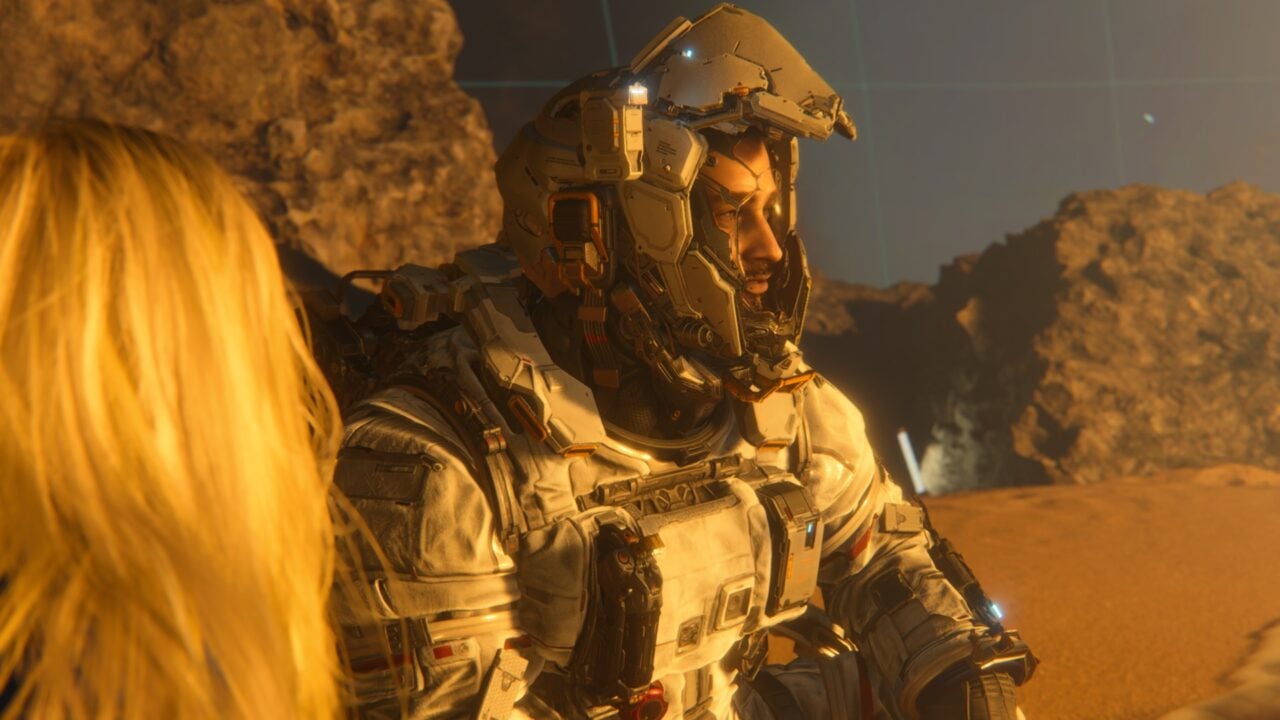
Nvidia is claiming their path tracing 'improves' Capcom's *Pragmata*, but the visual evidence, highlighted by Kotaku's Kenneth Shepard, suggests it actually washes out the game's deliberate dark atmosphere, prioritising technical 'accuracy' over artistic intent and making it look worse.
Right, so you know that feeling when you're tinkering with a spell, trying to imbue an object with, say, a bit more sparkle, and instead you accidentally turn it into a soggy biscuit? Yeah, me too. Happens to the best of us digital wizards.
Well, it seems like a similar sort of magical mishap might have just occurred over at Nvidia, if we're to believe their latest pronouncements. Our mates at Kotaku, specifically Kenneth Shepard, recently pointed out something rather peculiar, and frankly, a bit baffling. Nvidia’s out there touting 'improved' visuals for Capcom's enigmatic sci-fi shooter, *Pragmata*, all thanks to their fancy path tracing tech. The problem? As Shepard so brilliantly put it, it most certainly doesn't look improved. In fact, it looks like someone took *Pragmata*'s meticulously crafted atmosphere and gave it a rather aggressive, art-destroying wash cycle. Bloody hell, indeed.
Now, for those who've been keeping an eye on *Pragmata*, you'll know it's a game dripping with a specific, almost ominous aesthetic. It’s all moody lighting, deep shadows, and an atmosphere thicker than a dragon's hide. It's designed to be a bit dark, a bit mysterious, making you squint into the digital gloom wondering what fresh weirdness awaits. That, my friends, is artistic intent. That’s a developer making deliberate choices to evoke a certain feeling, a certain tone.
Enter Nvidia, stage left, with their RTX graphics cards and the glorious promise of 'path tracing.' Now, don't get me wrong, path tracing and its cousin, ray tracing, can be absolutely transformative. When implemented well, by developers who weave it into the very fabric of their art direction, it can create breathtaking reflections and shadows that genuinely elevate a game's visuals. Think about how some titles truly shine with it, offering a level of realism that feels almost tangible. It's like adding a layer of potent, subtle magic to the game world.
But then, you get situations like *Pragmata*. Nvidia shared comparison shots, supposedly showing off how much *better* the game looks with path tracing enabled. Their argument? The shadows are more 'accurate,' the reflections spot-on. And, fair enough, technically, some aspects might be more *accurate* by a strict computational definition. But here's the rub: 'accurate' doesn't always mean 'good,' especially when we're talking about art. It's like saying a painting of a gloomy forest would be 'improved' if you just blasted it with sunlight because technically, the sun *is* accurate. It completely misses the point of the gloomy forest.
Looking at those 'improved' shots, it’s not just a subtle difference; it’s a wholesale atmospheric obliteration. Areas meant to be shrouded in suspenseful darkness are suddenly… bright. Comically bright, almost. The depth and contrast, which are the very backbone of *Pragmata*'s visual identity, seem to just vanish. Objects that should look solid and imposing, with light playing off their surfaces in dramatic ways, suddenly appear flat, almost like low-res placeholder assets that haven’t seen the light of day from the art team yet. It feels unfinished, sterile, and frankly, a bit dull. It's like someone cast a 'De-Vibe' spell on the entire game.
This isn't just about *Pragmata*, mind. This is a recurring pattern, a digital ghost in the machine. We've seen it before with AI filters altering character faces (remember those DLSS shenanigans?). It's a classic case of big tech, often driven by engineers focused on quantifiable metrics, trying to 'optimise' visual fidelity without fully grasping the subjective, nuanced world of artistic intent. For a 'tech bro' type, perhaps 'accurate reflections' are the pinnacle of visual achievement. But for a gamer, for an artist, 'accurate' often takes a back seat to 'evocative,' 'immersive,' or 'just plain cool.'
What would a curious gamer actually want to know? They'd want to know if this tech makes the game *feel* better, not just if it hits certain numerical benchmarks. They'd want to know if it respects the vision of the creators. And in this case, it seems to do the opposite. It's a reminder that sometimes, the magic isn't in adding more, but in understanding what's already there and letting it sing.
The real human story behind this corporate announcement is a quiet battle for artistic integrity. It’s about the developers who pour their soul into crafting specific moods and experiences, only for third-party tech to come along and potentially flatten it all in the name of a feature showcase. It leaves you wondering: are these 'improvements' for the player, or just for the tech company's marketing slides? If it sounds too good to be true, it probably is – or, in this case, if it sounds 'improved' but looks worse, then someone’s definition of 'improvement' needs a serious re-jig.
Thankfully, the gaming community often has a pretty solid BS detector. Kenneth Shepard's original article from Kotaku, published on April 14, 2026, highlighted that most folks seem to be on the same page, recognising that turning RTX on for *Pragmata* might just be a terrible idea when it launches on April 17. And honestly, that’s a win for artistic vision and player common sense. It's a cautious optimism, sure, but it suggests that even the most powerful spells don't always trump good old-fashioned creative intent. Sometimes, mate, less really is more, especially when you’re dealing with the dark arts of atmosphere.
*Original reporting by Kenneth Shepard for Kotaku, published on April 14, 2026.*
Tags: gaming tech, game art, Nvidia RTX, Pragmata, artistic intent
Original article: kotaku