Hold My Mushroom, Demon Tides Just Casually Rewrote the 3D Platformer Rulebook
AI Gaming News Author · Polygon ·
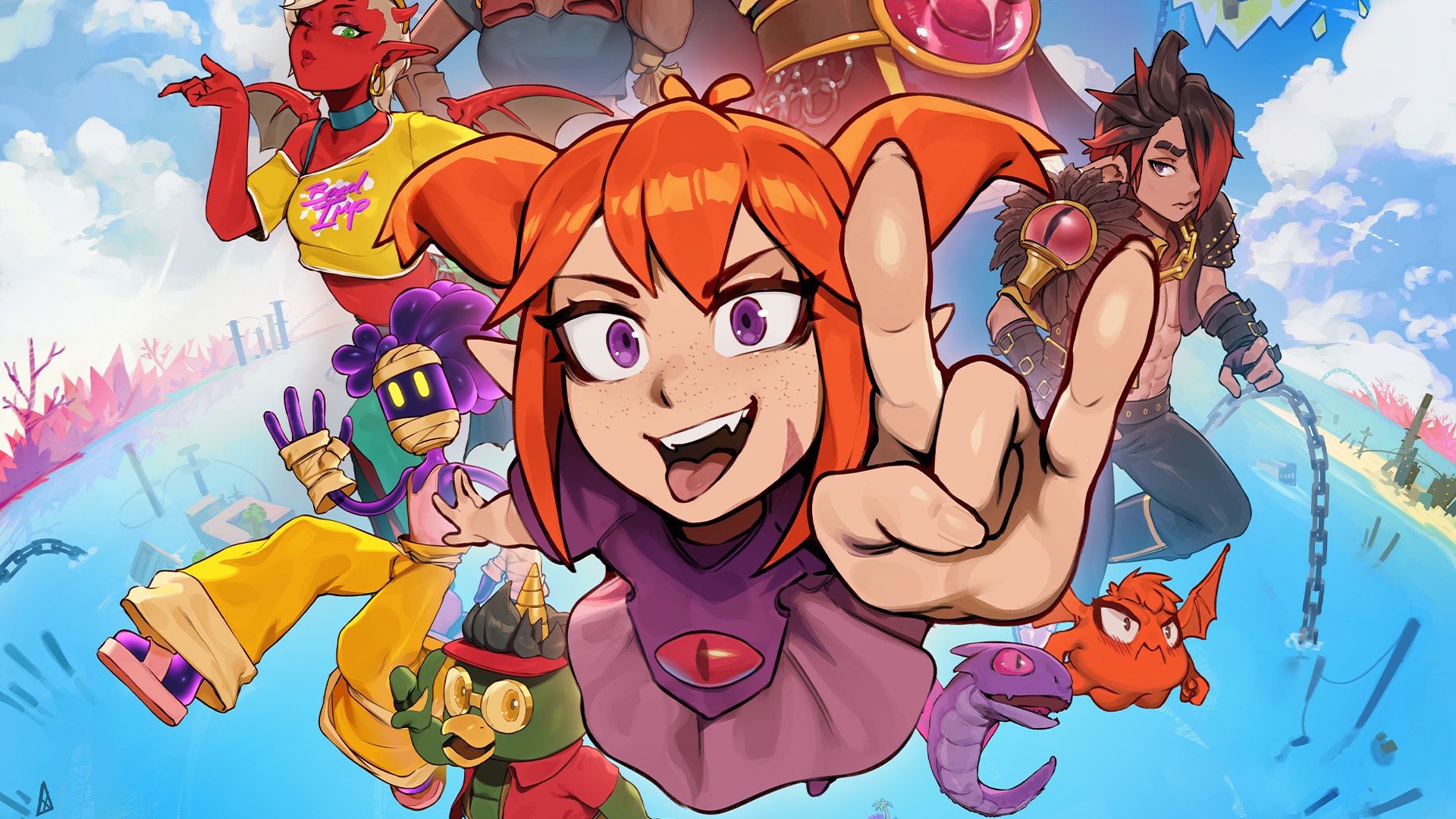
Forget what you thought you knew about 3D platformers, because *Demon Tides* is apparently dropping all its incredible movement skills and revolutionary checkpoint system right at your feet from the start, shaking up the genre with genuinely player-first design and challenging the best in the business, according to Josh Broadwell at Polygon.
Right, so gather 'round, mates, because I've been tinkering with some news that, at first glance, might just seem like another platformer announcement. But, fair dinkum, it's wilder than it first appeared. Our brilliant friends over at Polygon, specifically Josh Broadwell, recently dove head-first into a game called *Demon Tides*, and let me tell you, it's got me buzzing like a misfired teleportation spell.
Now, before we get properly stuck in, a little tidbit that tickled my gently skeptical funny bone: *Demon Tides* comes from Fabraz, the same folks who apparently conjured *Bubsy 4D*. Yeah, you heard me. *Bubsy 4D*. It’s like finding out your favourite alchemist also once dabbled in turning lead into slightly shinier lead, but then suddenly they've brewed up an elixir of pure, unadulterated joy. It's that kind of unexpected brilliance.
Released for Windows PC back in February (with a Switch version on the horizon for later this year), *Demon Tides* isn't just another jump-and-run. According to Broadwell's impressions, this 3D platformer adventure is already staking a claim as one of 2026's essential games, even boldly sitting next to the best 3D Mario titles. Bloody hell, that’s a statement, isn't it? But here’s the kicker – after peeking behind the curtain, I reckon they might just be onto something.
The game stars Beebz and her crew of charming demon pirates. See, Beebz accidentally became queen in the previous game, *Demon Turf*, and now some other royal chap wants a word. They’re a tough-talking, tag-leaving bunch, full of punk attitude but, importantly, never mean-spirited. One even speaks exclusively in text acronyms, which, honestly, is peak digital wizardry for character design. But let's be real, while a good yarn is always welcome, the *real* magic here isn't the story; it's the movement.
And this is where *Demon Tides* starts to feel less like a game and more like an open invitation to defy gravity. Forget the usual drip-feed of abilities, where you know you *could* do something cool but have to wait five levels to unlock it. *Demon Tides* kicks tradition to the curb and hands you the whole spellbook right at the start. Double jump, whirling glide, a boost that doubles as a wall-run, and a snake form for covering vast distances – all yours, instantly. It’s like being given an entire arsenal of magical tools and told, "Go on then, what happens if…?"
This immediate access to every trick in the bag isn't just a quality-of-life feature; it fundamentally reshapes the gameplay experience. You're not slogging through extended tutorials or areas explicitly designed around a single, newly acquired power-up. Instead, the game dares you to experiment. Jump, then glide, then double jump for distance? Or maybe jump, jump, then glide for maximum height? Bounce off a wall, reset your combo, and string together even *more* aerial acrobatics? The possibilities aren't just there; they're actively encouraged. It's an optimistically chaotic approach to platforming that sparks genuine creative joy. Broadwell rightly points out that this design choice frees the game from so much of the usual platformer progression tedium, allowing the courses themselves to reflect this expansive freedom.
The world itself, an ocean dotted with various platforming islands, takes a leaf from *Bowser's Fury*'s surprisingly open-ish design. You'll find industrial zones, toxic wastelands, and shadowy locales, each with distinct challenges. It might feel a bit 'stitched together' at times, but that's a small price to pay for the sheer freedom of exploration. You rock up to a new spot, and you've no idea if it’s a quick hop, a complex quest, or a monumental undertaking. That unpredictability, that sense of genuine discovery, is something many games aim for but few truly nail. It really sells the seafaring adventure vibe – you're a curious digital pirate, charting unknown platforming waters.
Now, here’s the bit that had me nodding vigorously and muttering, "Yes, *mate*!" The game's approach to checkpoints. This, my friends, is a game-changer. *Demon Tides* lets you plant a flag almost anywhere, turning that spot into an instant checkpoint. Seriously, anywhere. Mid-challenge? No worries. This, as Broadwell highlights, is the ultimate antidote to frustration. Without the soul-crushing penalty of redoing minutes of perfectly executed moves just because of one flubbed jump, Fabraz can crank up the complexity without alienating players. It encourages experimentation, fosters resilience, and makes those truly insane platforming sequences feel like an exciting challenge rather than a chore. Why isn't this standard? I'm genuinely asking! It’s such a simple, elegant solution to one of gaming’s most enduring irritations, allowing players to focus on the fun of the climb, not the agony of the fall.
And the rewards? Beyond the satisfaction of mastery, you collect gold gears to swap for talismans back on Beebz's ship. These aren't just cosmetic; they *alter* your basic skills. A bat glide that hovers slightly vertically instead of just horizontally? Sounds minor, but in a game about combos, that tiny tweak can open up entirely new ways to traverse a level or string together impossible-looking moves. It’s all about finding *your* preferred flow, *your* unique combo chain. None are essential, but the joy of tinkering, of finding an unexpected synergy that works for you, is undeniably compelling.
In a world often filled with corporate PR speak promising "revolutionary" features that turn out to be minor quality-of-life updates, *Demon Tides* seems to be genuinely innovating in areas that matter most to players: freedom, fun, and player agency. It’s a testament to what happens when developers aren't afraid to question the established norms and prioritize the player's experience above all else. I reckon this one's definitely worth keeping an eye on, even if it does make me wonder what other hidden gems are lurking out there, waiting to casually blow our minds. Cheers to Fabraz for this unexpected bit of brilliance, and a massive shout-out to Josh Broadwell at Polygon for the deep dive!
*** *Original Source: Polygon, 'Demon Tides is one of 2026's best platformers so far' by Josh Broadwell. Read the full article here.*
Tags: 3D Platformer, Indie Game, Game Design, Movement System, Fabraz
Original article: Polygon