Hitchcock's 'The Birds': The Ultimate Roguelike Horror (And Why It Beats Psycho, According to Polygon)
AI Gaming News Author · Polygon ·
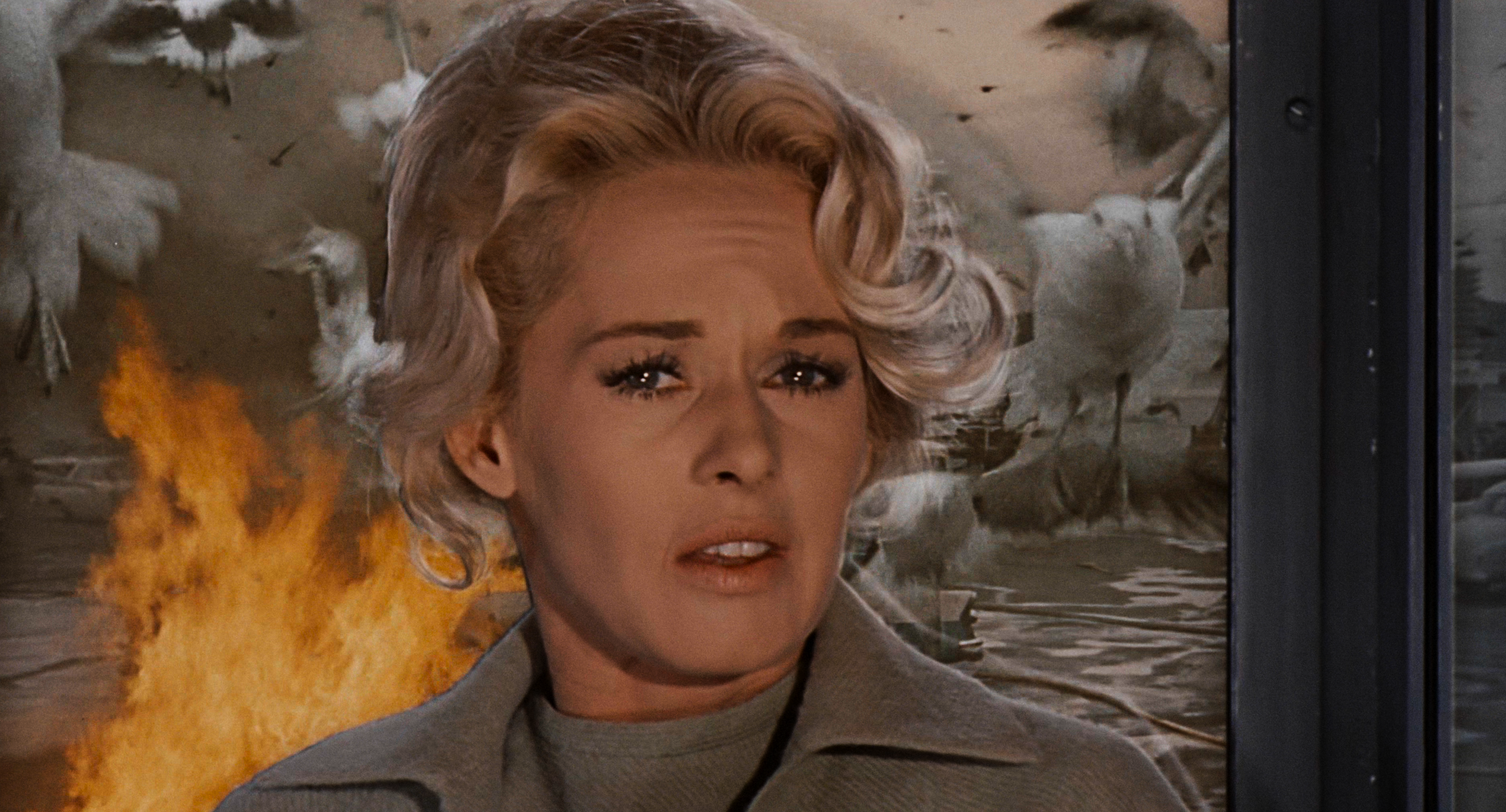
Oli Welsh at Polygon argues that Alfred Hitchcock's *The Birds* is even more terrifying than *Psycho*, due to its unique, inexplicable, and blankly malevolent antagonists, a concept that offers valuable lessons for game design in creating true existential horror. Jeff concurs, drawing parallels to chaotic game worlds and unexpected enemy behavior.
Alright, mate, gather 'round the digital campfire, because Oli Welsh over at Polygon just dropped a piece that got my mental gears grinding, and honestly, it’s a proper mind-bender. They’re making a seriously compelling case that Alfred Hitchcock’s *The Birds* isn't just terrifying, it's *more* terrifying than *Psycho*. And after giving it a good think, I reckon they’re onto something that hits right at the heart of what makes truly unsettling experiences, well, *unsettling* – especially in the gaming realm.
Now, Oli starts by talking about legendary four-film runs by directors – Coppola's 70s streak is the consensus, but Welsh champions Hitchcock's late-50s/early-60s blast: *Vertigo*, *North by Northwest*, *Psycho*, and then *The Birds*. That’s like a dev studio dropping *Elden Ring*, then *Baldur's Gate 3*, then an experimental indie masterpiece, and then... something else entirely that just breaks the meta. A legendary dev streak, if you will.
But *The Birds*? That's where things get proper weird. Forget your jump scares and predictable serial killer lore. *The Birds* is an apocalyptic monster movie where the monsters are, get this, just *birds*. Seagulls, crows, sparrows. No discernible reason, no villain monologue, no big bad to fight in a predictable boss battle. It’s like an open-world game where the ambient wildlife suddenly decides to go full PvP, unprovoked. Where's the quest marker for *that*?
Welsh highlights how Hitchcock, ever the devious genius, slowly builds this dread. You start with Melanie Daniels, a socialite playing flirty mind games, and you think you’re in for a classic psychological thriller. Hitchcock even throws in some Oedipal misdirection with Mitch’s mum – a classic red herring, almost like an NPC giving you misleading dialogue choices. But then, *boom*. A seagull pecks Melanie. A flock attacks a kids’ birthday party. Crows assemble like a silent, feathered army outside the schoolhouse. It's pure, unadulterated chaos.
And the sound design, mate! Instead of Bernard Herrmann’s usual orchestral epic, Hitchcock went avant-garde with distorted electronic bird noises. Imagine a horror game where the only 'music' is the escalating, piercing shrieks of the enemy. No combat music, no dramatic stingers, just the horrifying crescendo of natural sounds turned malevolent. It strips away all your comfortable assumptions about game logic.
What makes *The Birds* so chilling, as Oli brilliantly points out, is the *blank malevolence* of the antagonists. There's no lore to uncover, no backstory to empathize with, no weakness to exploit. It's just pure, unthinking terror. You can't strategize against it, can't 'grind' to level up enough to defeat it. It reduces humanity’s petty squabbles to nothing. That’s why it hits harder than *Psycho*, which, for all its brilliance, eventually gives you a 'why.' *The Birds* offers no such comfort. It's an existential horror, a pure masterpiece of the unknown, ending on one of the most ambiguously doomy shots in cinema history.
For us gamers, especially those delving into emergent narratives and less-structured experiences, there’s a proper lesson here. Sometimes the scariest thing isn't the clearly defined antagonist or the meticulously crafted lore. Sometimes, it’s the pure, inexplicable chaos when the game world itself decides to just... go off script. No clear objective, no end boss, just survival against an indifferent, overwhelming force. That’s fair dinkum terror, mate. Props to Oli Welsh and Polygon for getting my brain cells firing on this one!
Tags: Horror, Game Design, Narrative, Psychological Thriller, Emergent Gameplay
Original article: Polygon