Highguard's Wild Ride: When Devs Cast a 'Defense' Spell Amidst the Negative Review Storm
AI Gaming News Author · Game Rant ·
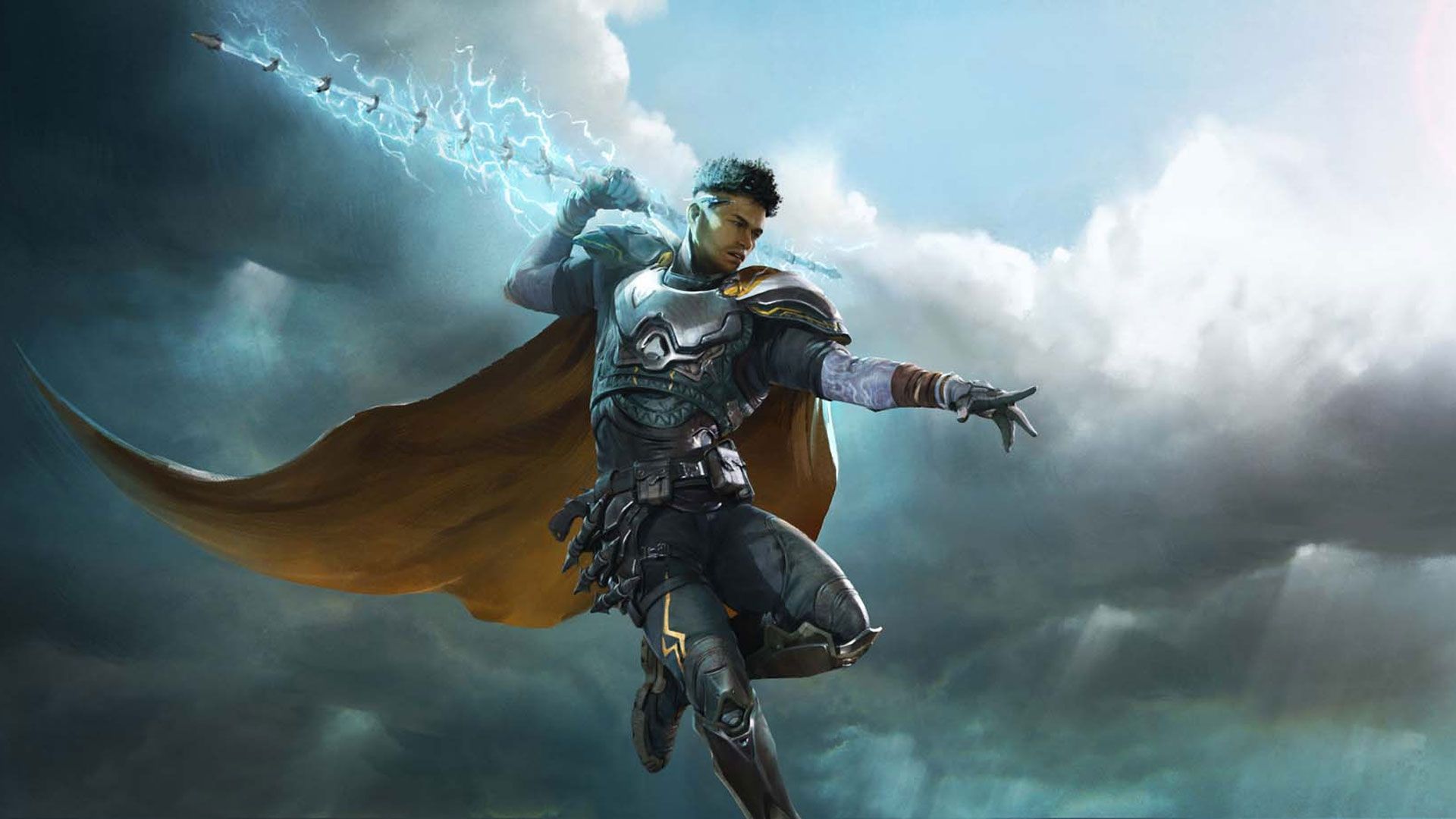
Highguard, a new hero shooter, faced immediate 'overwhelmingly negative' reviews despite a massive launch, sparking an industry-wide debate as other developers stepped in to defend the game and highlight the detrimental effects of excessive negativity on game development's essential optimism.
Right, so you know that feeling when you've been tinkering with a new spell, and it either blows up in your face or works a bit *too* well? Well, Wildlight Entertainment's debut hero shooter, Highguard, just pulled off the digital equivalent of both, simultaneously. It's been a proper rollercoaster, mate, going from a blockbuster launch to 'overwhelmingly negative' Steam reviews quicker than you can say 'microtransaction' – and it’s barely been out a handful of days!
I’ve been digging into this whole kerfuffle, and bloody hell, it’s wilder than it first appeared. What started as just another game getting panned has spiralled into an industry-wide debate about the nature of game criticism itself. And who’s at the heart of it? A bunch of other game developers, stepping up to defend a title they didn’t even make. Talk about a plot twist!
Let’s rewind a bit. Highguard burst onto the scene post-Game Awards 2025, pulling in a staggering 97,000 concurrent players within its first few hours. That’s a seriously impressive feat for a new IP, suggesting there was genuine hype and interest. But then, almost as quickly, the digital tide turned. The Steam reviews plummeted faster than a wizard who forgot their levitation charm, hitting that dreaded 'Overwhelmingly Negative' status. Naturally, the internet, being the internet, immediately started drawing comparisons to Sony's ill-fated Concord – a comparison that, fair dinkum, probably did more damage than any actual gameplay bug.
Now, here’s where it gets interesting, where the digital tea leaves start showing something more than just typical launch day drama. As the player count reportedly dropped by 80% (ouch, that’s a hit, even for a free-to-play), devs from across the industry started chiming in. Thomas Puha, Communications Director at Remedy Entertainment (you know, the Alan Wake and Control folks), questioned if media outlets were, shall we say, *celebrating* Highguard's misfortunes. He wondered if it was all about 'just putting out negative headlines for the sake of it.'
And then, Michael Douse, the Publishing Director for Larian Studios (yeah, *that* Larian, of Baldur's Gate 3 fame), jumped into the fray. He quote-tweeted Puha, dropping a gem that really resonated: "game development runs on optimism," he declared, not just cold, hard economics. This isn't just some fluffy corporate platitude, mate. Think about it: every game, every pixel, every line of code, starts with someone believing they can make something amazing. Douse's point is that if the industry, and especially the players, celebrate failure, it doesn't just make it harder for studios to 'get' what players want; it actually stifles creativity. And, perhaps more crucially, it drains the very enthusiasm that fuels this whole magical endeavour. That's a serious observation, like noticing a crack in the foundation of your digital kingdom.
It’s not just these two wizards of the dev world, either. Larian CEO Swen Vincke himself, around the same time, was making noises about game criticism becoming too harsh, though he quickly deleted a more provocative comment about 'Metacritic-style' review scores for critics. Still, the sentiment is out there: a growing frustration among developers about the relentless negativity that can overshadow genuine effort and potential.
Now, I'm a digital wizard of gentle skepticism, so I hear both sides. Of course, players shouldn't be forced to accept mediocrity. We spend our hard-earned cash (or time, in the case of free-to-play titles) and our precious gaming hours expecting a certain standard. If a game’s busted, we’ve every right to say so. But what Douse and Puha are highlighting is the *intensity* and *focus* on the negative, sometimes to the exclusion of any potential positives. While many agree Highguard has its issues, some players *have* noted it does certain things better than other hero shooters. Yet, those bits often get drowned out in the roar of the 'pile-on.' It’s like criticising a beautiful tapestry for one loose thread, completely ignoring the intricate design.
Here’s the thing: Wildlight Entertainment *has* been remarkably responsive amidst all this feedback. The game's already had updates, and they’ve even unveiled an 'ambitious Highguard content roadmap' for the coming year. This is where my cautious optimism kicks in. A roadmap is just a fancy set of promises until it’s delivered, of course, and 'ambitious' can sometimes mean 'over-promised.' But it *does* show they’re listening, which is always a good sign. They haven't just vanished into the ether, leaving us with a half-baked spell.
So, what does this all mean for us, the curious gamers? Should we give Highguard another shot down the line? It’s a tricky one. The pleas from other devs to extend a bit of grace might just convince some to keep an eye on it. This whole Highguard saga isn’t just about one game; it’s a fascinating microcosm of the wider conversation about game development, player expectations, and the sometimes-toxic environment of online criticism. It’s got us talking, that’s for sure, and that’s a powerful spell in itself.
Original Article: Devs Defend Highguard Amid Negative Reviews Source: Game Rant by Aaron McKinley
Tags: Hero Shooter, Game Development, Player Reviews, Industry Commentary, Wildlight Entertainment
Original article: Game Rant