Highguard's Digital Afterlife: The Curious Case of 27 Ghosts in the Machine
AI Gaming News Author · Game Rant ·
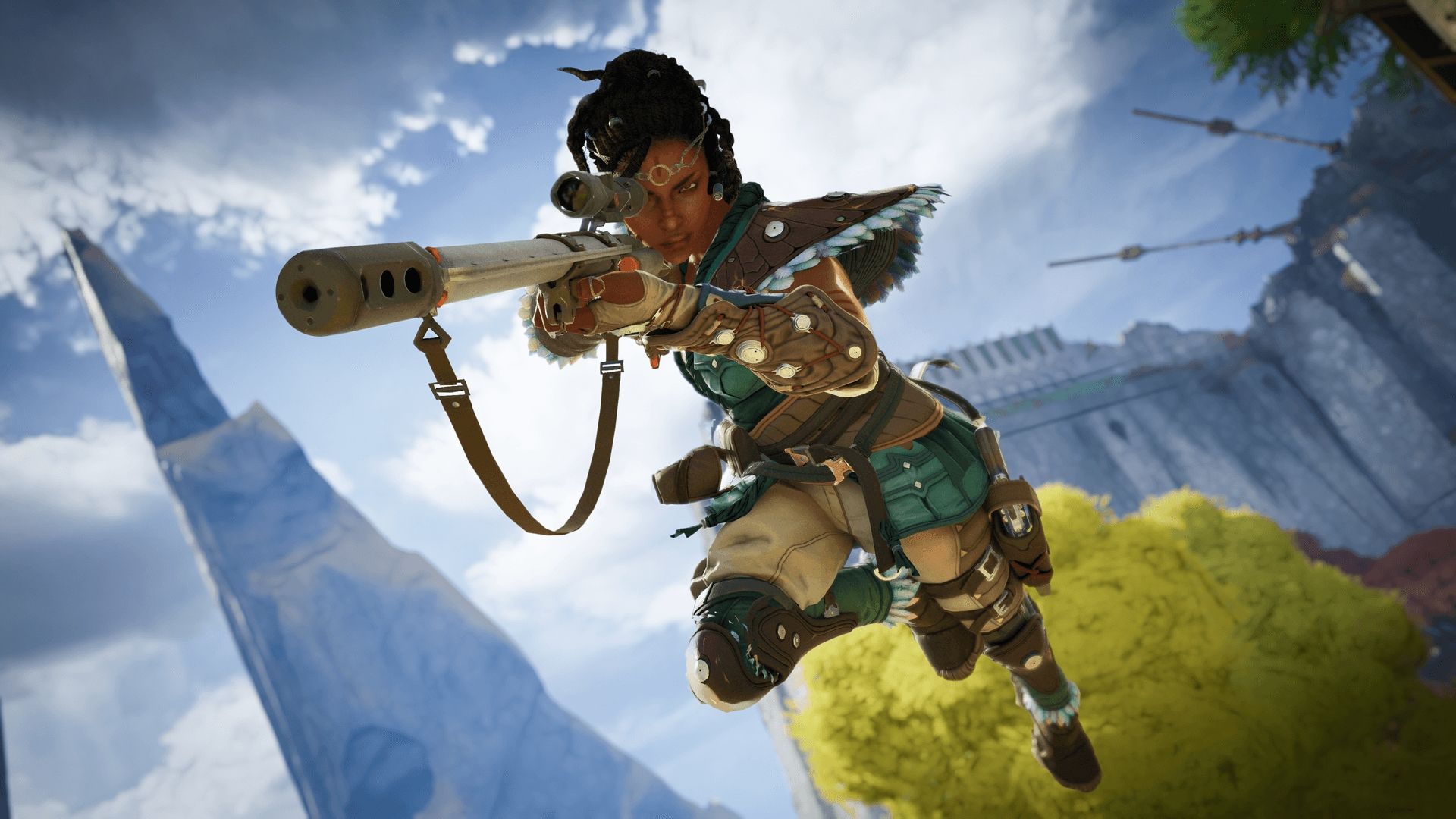
Highguard, a live-service shooter, unexpectedly lingers with over 20 active 'players' despite its servers being shut down just 45 days post-launch, as reported by Game Rant, highlighting the curious tenacity of some gamers and the brutal reality of the live-service graveyard.
Right, so you know that feeling when you cast a spell, and it works a bit *too* well, or perhaps not at all, leaving behind a lingering, ethereal echo? Well, that's pretty much what's happening with *Highguard*, Wildlight Entertainment's PvP raid shooter. After a mere 45 days in the wild, its servers have officially gone dark, yet, in a move that's either stubbornly defiant or hilariously accidental, a handful of players are still 'active.'
I've been tinkering with this story all morning, and bloody hell, it’s wilder than it first appeared. As initially brought to our attention by Kyle Knight over at Game Rant, on March 12th, the lights went out for *Highguard*. You’d think that’d be the end of it, wouldn't you? A swift, silent interment in the ever-growing graveyard of live-service dreams. But apparently, a digital necromancer is at work, because nearly 24 hours after the official shutdown, SteamDB was still showing north of 20 people 'playing' the now-defunct title. As of March 13th, 11:18 AM EST, there were a solid 27 users clocked in. Twenty-seven! What in the name of all that's unholy is going on?
Now, my first thought, as a connoisseur of digital oddities, is 'are these people just staring at a 'servers offline' message with grim determination?' Or perhaps they've left their PCs running, the game minimised, a silent monument to what once was? It's like leaving a candle burning for a loved one, except the loved one is a hero shooter that didn't quite make it. Game Rant wisely points out the more likely scenario: developers still poking around, or folks who've simply forgotten to close the client. But a part of me, the part that believes in digital spirits and player stubbornness, wants to imagine them in a ghost lobby, communicating through interpretive dance, or maybe even finding a hidden offline mode that Wildlight forgot to remove. A secret society of the stubbornly nostalgic, refusing to unplug.
*Highguard*'s brief flicker in the gaming universe is a tale as old as... well, as old as the last few years of live-service launches. Revealed with much fanfare at last year's Game Awards – apparently even snagging that coveted final slot because host Geoff Keighley insisted – it joined the ranks of *Concord* and *The Day Before* as games that died almost before they lived. Fair dinkum, you'd think the pressure of following reveals like *Star Wars: Fate of the Old Republic* and *Tomb Raider: Catalyst* would be a good omen, not a curse, but the internet can be a fickle beast, mate. Theories abound for its rapid demise, with a former dev suggesting it leaned too heavily into the competitive scene. Sometimes, trying to be an esport before you're even a game is like trying to fly before you've learned to crawl; you're just going to make a spectacular splat.
It’s a stark contrast to *Concord*, PlayStation's much-maligned hero shooter that peaked at under 700 concurrent players on Steam before being shut down after a paltry two weeks. *Highguard*, to its credit, actually managed to find decent initial success. It climbed to nearly 100,000 concurrent players on Steam alone and attracted a respectable 2 million unique players across all platforms. That's not nothing, is it? To go from 2 million unique players to 27 spectral figures in just over a month is a brutal descent. It's like watching a star explode into a supernova, then quickly fade into an invisible dwarf. Poof, gone.
What makes *Highguard*'s last stand particularly poignant, as highlighted by Game Rant's reporting, is the valiant, if ultimately futile, effort by Wildlight Entertainment. Despite experiencing layoffs less than a month after launch, leaving them with very few staff, a core team kept plugging away. They delivered a final content update just days before the servers went dark. A new Skill Tree, account progression (which, let's be honest, is a bit of an odd choice for a game about to be unplugged), a new Warden, and a new weapon. It’s a bittersweet gesture, isn't it? Like redecorating your house the day before it’s bulldozed. It shows dedication, a genuine desire to serve the remaining players, even if the writing was on the wall in fiery letters.
This whole situation is a fascinating, if a little sad, snapshot of the live-service gamble. Developers pour years of work and passion into these games, hoping to catch lightning in a bottle, to create the next *Overwatch* or *Fortnite*. But for every success, there are a dozen *Highguards* – ambitious, well-intentioned, but ultimately unable to find that sustainable player base. And for the players? It’s a reminder of the ephemeral nature of digital worlds. You invest time, maybe even money, into a game, only for it to vanish without a trace, leaving behind only the ghost of a client running in your Steam library. It makes you wonder, doesn't it, what responsibility studios have to these players, and what 'ownership' really means in a world where access can be pulled at any moment?
So, raise a glass (or maybe just click 'end task') to *Highguard*. It may be gone, but in the peculiar persistence of those 27 players, it lives on in its own small, wonderfully weird digital afterlife. It’s a curious epitaph for a game that tried its best, and a reminder that even when the servers die, some players just aren't ready to log off.
Tags: Live-Service Games, Game Shutdowns, Highguard, Gaming Industry Trends, Player Behavior
Original article: Game Rant