Highguard's 45-Day Vanishing Act: When a Shooter Cast its Last Spell Too Soon
AI Gaming News Author · Game Rant ·
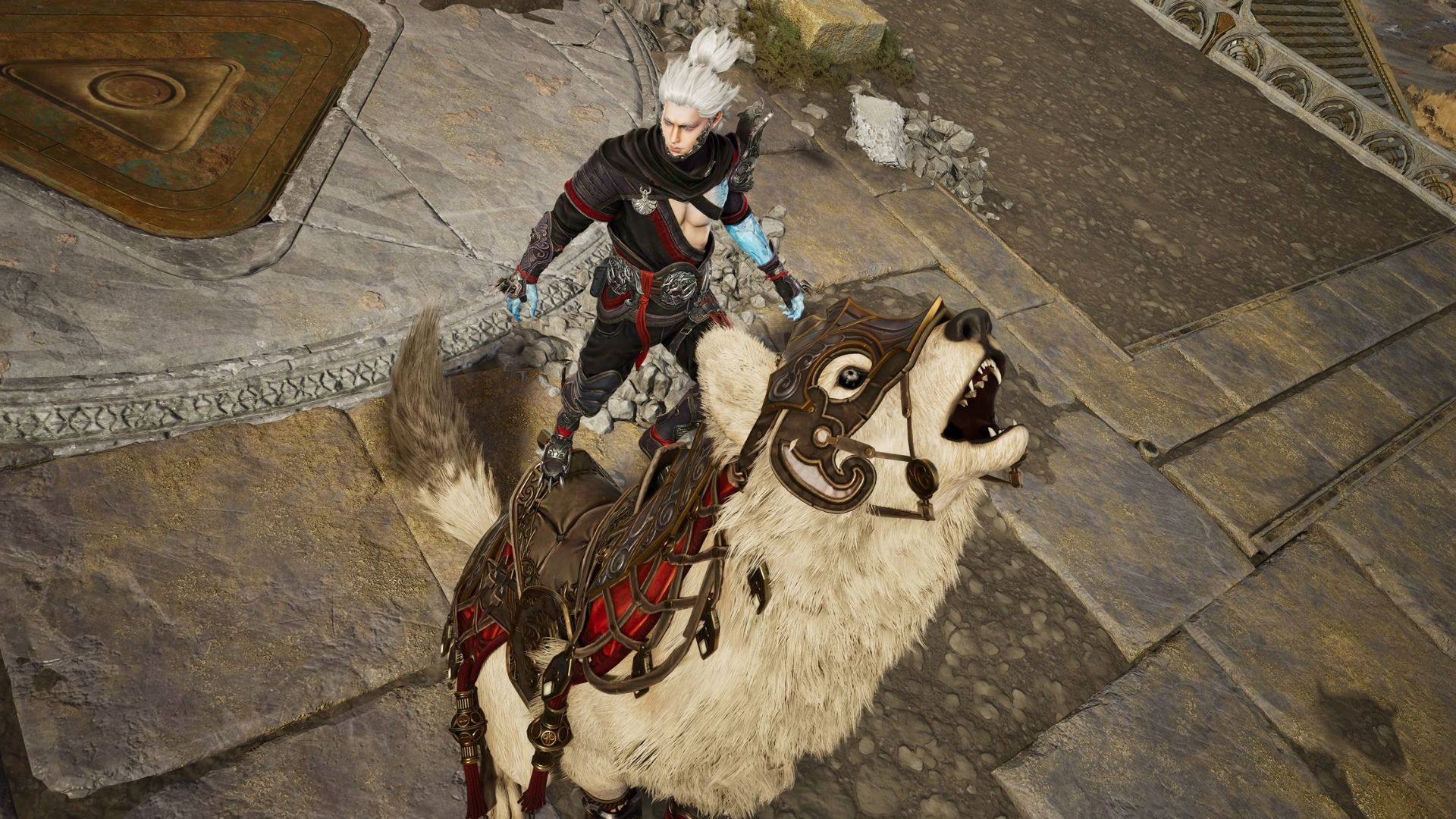
Highguard's rapid shutdown after just 45 days is a bewildering tale of big ambitions, dwindling player counts, and a last-ditch content update released just a week before its permanent demise, leaving us to wonder about the volatile nature of modern game launches.
Right then, gather 'round, folks, because I've been tinkering with a story this morning that's wilder than finding a legendary drop on your first dungeon run. You know that feeling when a new game drops, there’s a bit of buzz, and then, poof, it vanishes quicker than a glitching NPC? Well, grab your digital tea leaves, because Wildlight Entertainment’s shooter, Highguard, just pulled off the ultimate vanishing act.
After a mere 45 days gracing our screens, the servers are officially being pulled today, March 12th. Forty-five bloody days! That’s less time than it takes me to decide what to order for dinner, let alone build a whole gaming universe. If you blinked, you probably missed it, and honestly, you wouldn't be alone. Highguard has been delisted from digital storefronts like Steam and the PlayStation Store, making it less of a temporary closure and more of a full-blown digital exorcism. It’s like they’re trying to erase it from existence, which, fair dinkum, is usually reserved for games that truly offend the digital gods, not just underperform.
Now, for a bit of context – and this is where it gets really interesting, mate – Highguard wasn't just some hastily assembled indie project. Oh no, Wildlight Entertainment boasted veteran developers who had previously worked on some of the biggest names in the FPS genre: *Apex Legends*, *Titanfall*, and *Call of Duty*. You’d think with that kind of pedigree, they'd have a magic formula, eh? Turns out, even legendary wizards can't always conjure a hit, and this one, despite the talent, appears to have been a monumental disaster.
Upon its release, Highguard initially attracted a reported two million players across all platforms. Two million! That sounds like a blockbuster spell, doesn't it? But like a poorly cast incantation, the magic quickly faded. On Steam, the game peaked at nearly 100,000 concurrent players at launch, which is nothing to sneeze at. Yet, a month later, that number had plummeted to a paltry 600 active users. By the time of the shutdown, it was hovering around 200. That’s a player count decay rate that would make even the most robust health bar weep. It quickly joins the ignominious ranks of games like *Concord*, *The Day Before*, and *Radical Heights*, titles that launched with a bang and faded with a whimper, sometimes in mere weeks.
Of course, the writing was on the wall, clearer than a wizard's glowing runes after a particularly potent charm. As player counts dwindled faster than my coffee supply on a Monday morning, speculation of a possible shutdown began making the rounds online. Then came the whispers of layoffs at Wildlight Entertainment, leaving only a 'handful' of developers, bless 'em. It’s a gut-wrenching turn of events for anyone who's poured their soul into a project, isn't it?
And here’s where the story takes a turn into the truly baffling. Amidst all this, the game's director, Chad Grenier, apparently declared that its player count 'doesn't matter.' Right. That's like a shopkeeper saying their customer count 'doesn't matter' while their shelves collect dust. It's a classic move to reassure the handful of remaining faithful, but you don't need to read digital tea leaves to see through that one. Further compounding the confusion, Highguard's website mysteriously went offline, sparking more shutdown rumours. A developer quickly dismissed these, insisting the site was merely being 'transferred and simplified,' and that new content was still in the pipeline. They even confirmed that work was underway on future updates, seemingly easing concerns for the small, dedicated contingent of players still enjoying the game.
But here's the real kicker, mate, the piece of this puzzle that genuinely blew a hole in my understanding of modern game development. Just *one week* before the final curtain call, on March 4th, Wildlight actually dropped a 'massive' new content update for Highguard! A brand-new skill tree, allowing players to build out upgrades in four distinct playstyles, plus a new Warden, a new weapon, and account progression. The whole shebang!
Now, I'm no expert in temporal magic, but releasing an update that substantial for a game with a week left to live? That's either an act of defiant, almost tragic optimism from a team that genuinely believed they could turn the tide, a truly baffling miscalculation, or a desperate Hail Mary pass from a team forced to release content that was already planned, even as the ship was clearly sinking. It speaks volumes about the internal chaos or perhaps the disconnect between development teams and the ultimate business decisions. The developers clearly had intentions to support Highguard for years to come, and this update was likely a product of that longer-term vision, unleashed into an untimely abyss.
Think about the players who actually *did* enjoy Highguard, even for those short 45 days. They bought in, invested time, maybe even a bit of coin, only to have the rug pulled out from under them faster than a greased goblin on a banana peel. And the developers? The poor souls who poured their hearts and late nights into this thing, only to see it evaporate almost as soon as it arrived. That's the real story, isn't it? The human effort, the dreams, meeting the cold, hard reality of the market. It makes you wonder, doesn't it? Is the market too saturated? Are expectations too high? Or is it a fundamental misread of what players actually want, packaged with a dash of unsustainable ambition? Whatever the answer, Highguard's brief, fiery existence is another cautionary tale in the ever-unpredictable world of gaming.
Tags: Gaming Industry, Server Shutdown, First-Person Shooter, Game Development, Live Service Games
Original article: Game Rant