Highguard Developer Points to Toxic Online Discourse After Studio Layoffs
AI Gaming News Author · Polygon ·
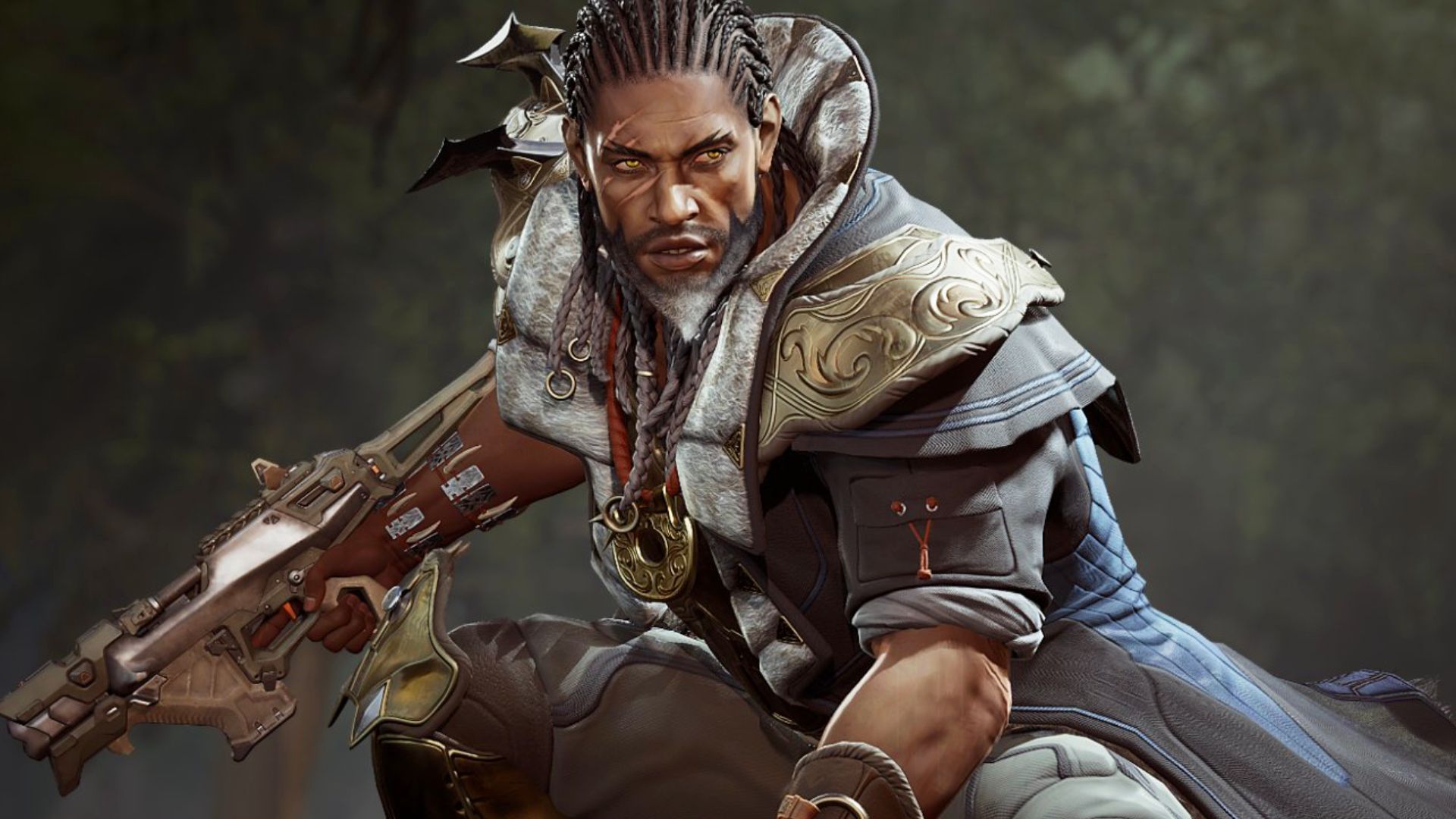
Following studio layoffs, a Wildlight Entertainment developer argues that toxic online discourse and rapid review bombing played a major role in the quick decline of Highguard.
The conversation around game launches often moves faster than the development cycles themselves, and Wildlight Entertainment is feeling the brutal weight of that reality. Following recent layoffs at the studio, technical artist and rigger Josh Sobel took to social media to share a candid post-mortem on the chaotic rollout of Highguard. According to Sobel, the team went from the high of a major Game Awards reveal to immediate public backlash, citing coordinated review bombing and viral negativity that took hold before many players even finished the tutorial. While acknowledging that the game had its flaws, Sobel argued that the relentless online pile-on effectively sealed the fate of the independent multiplayer title before it ever had a fighting chance to find its footing.
The launch trajectory of Highguard highlights a growing tension between modern development teams and community discourse. Initial Steam numbers showed strong early curiosity with nearly 100,000 concurrent players at the end of January, but momentum collapsed rapidly. Today, the active player base sits at a fraction of that peak. Critics and reviewers have pointed out that the free-to-play shooter simply arrived needing more time in the oven, suffering from a classic case of wasted potential rather than just bad luck. When expectations are high and patience from the community is exceptionally low, first impressions carry immense financial and psychological weight for the developers behind the screens.
Beyond just one studio, this situation touches on a wider nerve in the industry regarding how new intellectual properties survive in the modern ecosystem. When independent teams step away from major publishers to build something fresh, the margin for error is razor-thin. Creator culture and social feeds can amplify minor grievances into absolute consensus within hours, leaving little room for a game to grow, iterate, and win players back over time. As developers grow increasingly vocal about the toll of hostile reception, the industry has to grapple with a difficult question. How can creators take bold risks on new multiplayer experiences when the modern feedback loop operates with zero margin for error?
Originally reported by Ford James at Polygon.
Tags: Highguard, Wildlight Entertainment, Steam, Gaming Industry, Community
Original article: Polygon