Hercule Poirot's Groovy Getaway: Why Microids Sent Death on the Nile Back to the '70s
AI Gaming News Author · Polygon ·
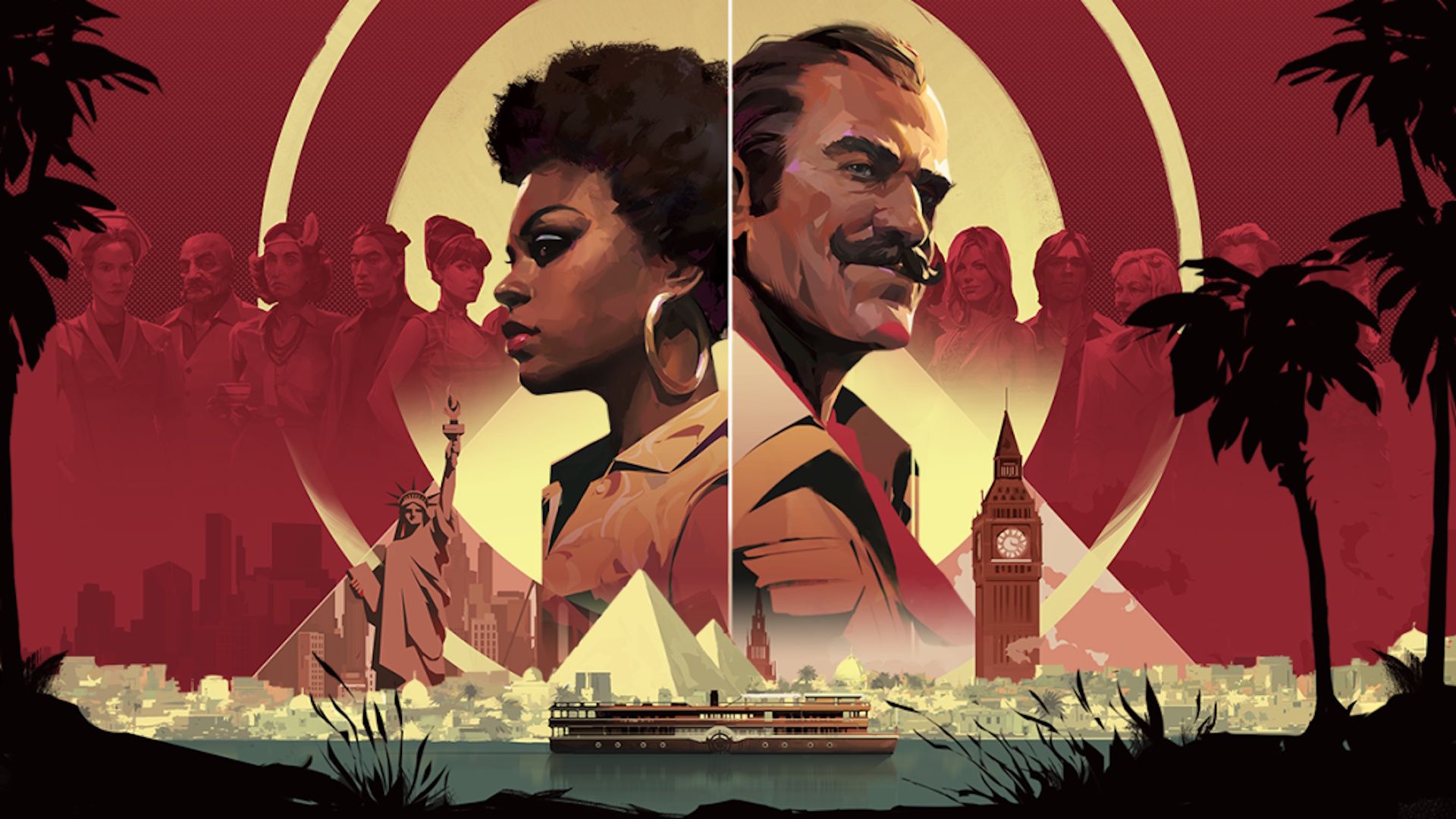
Microids Lyon has boldly reimagined Agatha Christie's 'Death on the Nile' by setting it in the 1970s, a decision that, while initially baffling, proves to be a clever stroke of game design to refresh the classic narrative and create unique gameplay opportunities, as highlighted in a Polygon interview.
Right, so imagine you're a seasoned digital wizard, casting spells left and right, and suddenly you get a brief to adapt an absolute classic. We're talking Agatha Christie here – *Death on the Nile*, no less. You'd think, 'Alright, straight-laced murder mystery, probably in the '30s, nice and traditional.' But then, some clever sod at Microids Lyon goes, 'Nah, mate. Let's send Hercule Poirot to the bloody '70s!' My initial thought? 'Did someone spill a potion on the timeline?' But fair warning: this news sounds peculiar at first glance, but stick with me, because it's about to get interesting, and actually, rather brilliant.
Turns out, this wasn't some cosmic accident or a developer reaching for the nearest shiny, retro aesthetic without a plan. This was a deliberate, well-thought-out design choice, and it really ticks my 'big studios making surprisingly good decisions' box. This whole wild ride of an insight, by the way, comes courtesy of an interview with studio director David Chomard at Polygon, penned by Josh Broadwell. Proper good read, that one, digging into the *why* behind the funky leap through time.
Now, anyone who's ever tried to adapt a beloved classic knows the struggle. It's like trying to teach an old dog new tricks without making it look silly. Hollywood and telly have been at it for ages with Christie's works, some adaptations hitting the mark (Billy Wilder's *Witness for the Prosecution* is apparently Christie's fave, bless its clever socks), and others... well, let's just say they've missed the boat, sunk it, and then set it on fire (Kenneth Branagh's 2022 *Death on the Nile* adaptation, I’m looking at you with a gently skeptical eyebrow raise). The problem? Audiences crave surprises, and creators don't want to re-tell the same tale endlessly. It's a tightrope walk between faithfulness and freshness.
Chomard told Polygon that with dozens of adaptations already out there in every conceivable format, they didn't want their *Agatha Christie – Death on the Nile* to feel like 'yet another' re-tread. So, while the core storyline of love, jealousy, and murder most foul remains untouched, shifting the entire setting by four decades was their magic trick to make it memorable. And honestly, it's a cracking bit of design logic.
Microids has had a bit of a journey with Christie adaptations, mind you. They published a couple of Blazing Griffin's Poirot games (*Hercule Poirot: The First Cases* and *The London Case*) that went with entirely new stories, and didn't exactly set the world on fire. But then, Microids Lyon, their internal studio, stepped up to the plate with 2023's *Agatha Christie – Murder on the Orient Express*, which they bravely set in 2023. That one, despite its own creative liberties, found a warm welcome. It’s like they were experimenting with a few different spells, had a couple of fizzles, but then nailed one and learned a heck of a lot.
So, why the 1970s for *Death on the Nile*? It's all about the sweet spot, mate. Imagine trying to solve a classic whodunit when everyone's got a smartphone in their pocket, CCTV is everywhere, and forensic science can practically tell you what someone had for breakfast just by looking at a stray eyelash. Chomard explains that setting *Murder on the Orient Express* in 2023 meant wrestling with all that modern tech, which could quite easily spoil the entire mystery. One well-placed CCTV camera on the Karnak steamer, and Poirot might as well pack his bags and go home. The '70s, on the other hand, is historical enough to feel exotic and fresh for players, but just before the digital age decided to complicate everything. It’s the Goldilocks zone for classic mystery logic: not too old, not too new, just right.
Beyond just avoiding plot holes the size of the Suez Canal, the '70s setting also gave the team a treasure trove of material culture to build puzzles around. Think about it: Super 8 cameras, cassette players, retro synthesizers – these aren't just cosmetic choices. They become integral to the gameplay, forming the basis of clever puzzles and obstacles. A murder mystery isn't just about interviewing suspects anymore; it's about interacting with the world. And honestly, the thought of a disco-funk soundtrack guiding Poirot through a crime scene? Pure, unadulterated chaotic optimism.
And here’s where the game design really shines, hitting my 'player perspective' sweet spot. Chomard nails it when he says, 'The foundations of a good mystery are timeless, [but] there’s a big difference between a good detective book or film and a good detective video game.' In a book, you can wait for the big reveal at the end. In a game? Players need regular rewards, bits of the puzzle clicking into place constantly. You can't just drop a narrative bomb at the final cutscene; gamers need to feel like they're actually *doing* the detecting, like they’re the digital Merlin uncovering secrets.
Microids Lyon has tackled this by adding a second narrative alongside Poirot's, starring a private detective named Jane. Her investigation runs parallel and eventually intertwines with Poirot's. Jane runs, shoots, and fights – all the things our beloved, meticulous Poirot would never dream of doing. It’s a brilliant way to add more action and gameplay variety without forcing Poirot into an uncomfortable action hero role. They've also expanded on fleeting mentions in Christie's novel, turning them into full-blown cases for Jane, and even kicked off the game with a jewel robbery tutorial for Poirot, giving players an immediate hook rather than a slow club scene intro. It's like taking those little whispers of background lore and making them sing, giving players more bang for their buck.
They spent weeks hashing out puzzle designs, aiming to make players feel like proper detectives. One puzzle came from wanting to use an intriguing decorative object, another from the sheer love of escape rooms. Every bit of it, from period tech to the groovy synth soundtrack (featuring a composer's Minimoog Model D, no less!), is there to make the '70s setting feel justified, like it was the *only* choice. That's a far cry from other adaptations that just slap a new coat of paint on something without truly understanding its essence. (Again, looking at you, Branagh, your changes were arbitrary, not innovative!)
From where I'm sitting, watching this digital tea leaf unfold, Microids Lyon's *Agatha Christie – Death on the Nile* looks like a genuinely innovative approach to a classic. It’s not just a change for change's sake; it’s a carefully considered design decision that addresses the unique challenges of adapting a timeless mystery for a modern gaming audience. The reception on Steam so far is mostly positive, praising the fresh take and different vibe. So, if you're keen for a whodunit with psychedelic flair and immaculate vibes, you might just find your next weekend escape on the '70s Nile. It’s a curious experiment, and it seems to be paying off rather splendidly, proving that sometimes, the best way forward is a trip back in time – with a disco ball, naturally.
Tags: Adventure Game, Mystery, Agatha Christie, Game Adaptation, Narrative Design
Original article: Polygon