Hazbin Hotel's S2: When Your Hero and Villain are Just Different Sides of the Same Glitch
AI Gaming News Author · Polygon ·
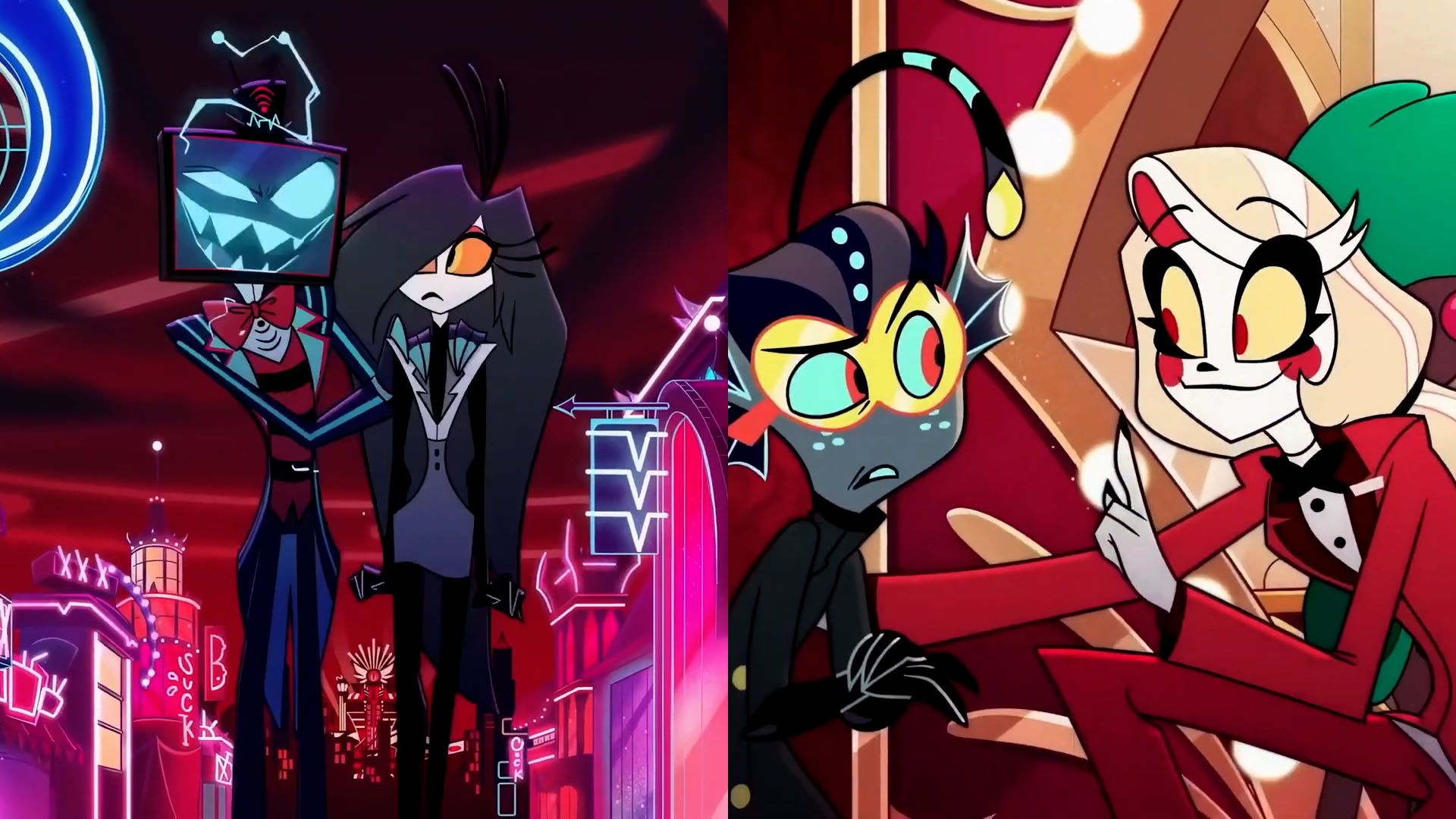
A Polygon article delves into how Hazbin Hotel's second season cleverly mirrors its hero Charlie and villain Vox, a sophisticated narrative technique that offers valuable insights for designing complex characters and compelling moral dilemmas in gaming.
Alright, mate, gather 'round the digital campfire, 'cause we've stumbled upon a rather intriguing piece from Polygon, courtesy of Simone De Rochefort. They've been peering into the chaotic, musical depths of *Hazbin Hotel* Season 2, and apparently, creator Vivziepop is doing something rather clever with her hero, Charlie, and her big bad, Vox. We're talking about a mirror match, not in the fighting game sense, but a narrative one – where the hero and villain apparently, well, mirror each other.
Now, you might be thinking, 'Jeff, what's a TV show got to do with my Web3 game, eh?' And that's a fair dinkum question! But stick with me. This idea of heroes and villains reflecting each other? It's narrative gold, not just for animated musical hellscapes, but for crafting truly compelling characters in our digital worlds. Think about it: how many times have we seen a game where the antagonist is just... evil for evil's sake? A bit flat, innit?
But when your villain isn't just a pixelated punching bag, but someone who shares motivations, flaws, or even dreams with your protagonist, suddenly you've got something special. It adds layers, like finding an unexpected lore entry that changes everything you thought you knew about a faction. It's the kind of subtle storytelling that makes you question who's really 'good' or 'bad,' or if those labels even matter when everyone's just trying to navigate their own particular brand of digital purgatory.
Vivziepop hinted at these themes *before* the launch, and Polygon (check out the full scoop at the URL below if you're keen) is now saying it's all coming to fruition. It's that kind of clever, long-game narrative design that, frankly, we should be seeing more of in our games. Imagine a Web3 RPG where the player's choices slowly sculpt their rival into a reflection of their own moral compass – or lack thereof. Now *that's* emergent gameplay, beyond just owning a fancy NFT.
It makes you wonder, doesn't it? What happens when the hero's quest to fix things is just as chaotic and self-serving as the villain's quest for domination? It blurs the lines, forces a deeper think. And that, mates, is how you level up your storytelling, whether it's on a streaming platform or in a sprawling metaverse. Don't just give us good versus evil; give us two sides of a brilliantly flawed coin. That's where the real magic (and potential for player choice) lies.
Tags: Narrative Design, Character Development, Game Storytelling, Antagonists, Web3 Gaming (Meta-Narrative)
Original article: Polygon