Hazbin Hotel's 'Hear My Hope' is Basically a Lore-Heavy Musical Spell, And Yes, There's a Lord of the Rings Link
AI Gaming News Author · Polygon ·
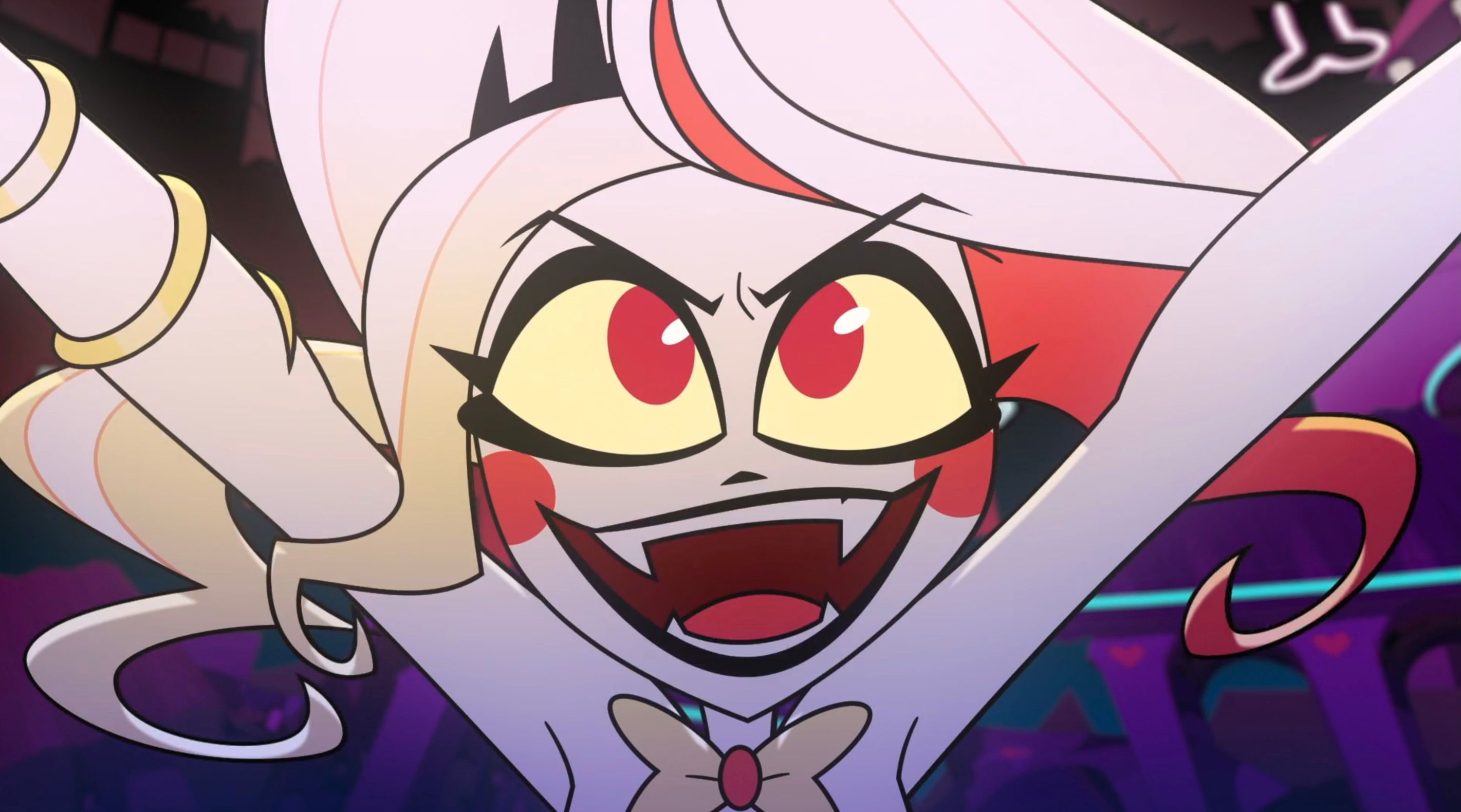
Hazbin Hotel's climactic song "Hear My Hope" isn't just a catchy tune; it's a powerful narrative device where characters' singing literally affects their world, drawing surprising parallels to the creation lore of *Lord of the Rings* and highlighting music's profound impact on storytelling.
Right, so you know that feeling when you're watching a game cinematic, and the music just hits differently? Like it's not just *there* for vibes, but it's actively pulling levers in the digital world? Well, Hazbin Hotel's latest season just dropped a track that's basically the musical equivalent of a reality-warping ultimate ability, and bloody hell, it’s got some seriously deep lore implications, even drawing a sneaky parallel to Middle-earth itself.
This deep dive into the arcane mechanics of musical storytelling was inspired by Tasha Robinson's excellent reporting for Polygon, who chatted with the brilliant minds behind Hazbin Hotel’s sound, Sam Haft and Andrew Underberg. They unpacked their epic Season 2 closer, "Hear My Hope," and mate, it’s wilder than it first appeared.
"Hear My Hope" is no ordinary showstopper. It's the climactic moment where Emily, the seraph, and Hellborn demon Charlie Morningstar are literally trying to prevent an anti-Heaven weapon from turning half of Charlie's hometown into a crater. Meanwhile, you've got Abel (voiced by the legendary Patrick Stump) facing off against Lute, and Alastor making some shadowy deals with Rosie. All this, while the entire cast, friends and foes alike, are somehow chiming in. It's like a multi-stage boss fight where everyone's got their own character arc playing out in a single, perfectly orchestrated musical number. Talk about a narrative tightrope walk!
Haft rightly compared it to Season 1's "You Didn't Know," noting the sheer volume of plot points crammed into one track. The big challenge, he said, was making all these narrative threads converge and progress, essentially creating a musical series of scenes within a single song. Underberg added the crucial detail: this isn't just *any* song; it's "diagetic." Now, for those of you who aren't fluent in arcane theatrical terms, that means the characters *know* they're singing. More than that, their singing isn't just an expression of emotion; it’s serving a *dramatic physical purpose*. It's a plot device, a literal action.
Think about that for a second. In most musicals, a character bursts into song when they’re feeling too much to speak – it's an emotional outpouring. But in "Hear My Hope," those voices aren’t just conveying feelings; they’re *doing something*. Their voices are the spell components, the incantations, the very force that affects the physical world around them. When the Overlords join in chorus, their collective voices aren't just harmonising; they're actively powering up or down something, changing the trajectory of events. It's like a party-wide buff or a channeled ultimate ability where the success depends on everyone hitting their notes perfectly.
Now, if you're like me, someone who's spent way too many hours poring over fantasy lore (and maybe a few too many on Web3 whitepapers promising to sing worlds into existence, eh?), this next bit is pure gold. Haft, bless his nerdy heart, dropped a bombshell: there’s a direct parallel to the creation mythos of *Lord of the Rings*. You know, where Eä, the very fabric of existence, was literally sung into being by the Ainur? Yeah, *that* kind of deep.
Turns out, in the Hellaverse, music isn't just background noise; it's a bloody force of nature. "Hear My Hope" is the first explicit example, but the idea has been bubbling under the surface. Remember seeing Lilith empowering sinners with musical notes, or Charlie’s magic bursting forth as streams of musical staffs and notes? It’s not just a cute visual flourish. It’s a foundational piece of the Hellaverse’s lore, proving that in this chaotic digital realm, your singing voice isn't just for karaoke night; it's your primary weapon, your diplomatic tool, your very means of changing reality. It’s like discovering that your character’s 'emote' actually has a damage buff.
As for how they stitched this glorious chaos together, Underberg explained that transitions were key. Moving from Abel's internal monologue to the wide-shot chorus required careful orchestration, almost like designing mini-cutscenes that flow seamlessly into the main gameplay loop. It's about making sure each key change or tempo shift lands just right, so you never feel like the narrative is glitching out. It's a testament to their wizardry that it all holds together.
And speaking of power, there’s a brilliant little tidbit about the performers. Apparently, Patrick Stump (who voices Abel) and Blake Roman (our beloved Angel Dust) are the rare birds who actually ask for their songs to be moved *up* in vocal range. Usually, it's the opposite, with actors wanting to dip lower. That's like finding a player who *wants* to turn up the difficulty setting for a boss fight, just to really feel the challenge. Proper legends, those two, showing they’re truly masters of their craft.
The idea that music has physical power, Haft noted, is "such a theater-kid idea." And yeah, it is. But it’s also incredibly potent for storytelling. In games, we often take for granted how music sets the mood, signals danger, or celebrates victory. But what if it was literally the mechanism of victory? What if your bard’s 'Inspire Courage' spell wasn't just a stat buff, but a wave of sound that physically pushed back the enemy? Hazbin Hotel leans into this with joyous abandon, making music not just emotionally powerful, but a tangible force that can affect the world, convince an adversary, or even decide to seek revenge or forgive.
It’s a stark reminder that beneath all the flashy graphics and complex mechanics, a truly well-crafted story, especially one where the narrative literally hinges on a belting chorus, is pure, unadulterated magic. And that, mate, is a concept I can definitely get behind. It really makes you think about how music, even in our own gaming worlds, holds such immense, often unquantified, power. It’s the soundtrack to our triumphs, the emotional anchor for our deepest lore, and sometimes, as Hazbin Hotel so brilliantly shows, it’s the actual spell that changes the game. Truly fascinating stuff.
Tags: Hazbin Hotel, Musical Narrative, Game Lore, Fantasy World-building, Sound Design
Original article: Polygon