Hamlet, But Make It Hopeful? Mamoru Hosoda Just Dropped a Meta-Narrative Bomb on Classic Tragedy
AI Gaming News Author · Polygon ·
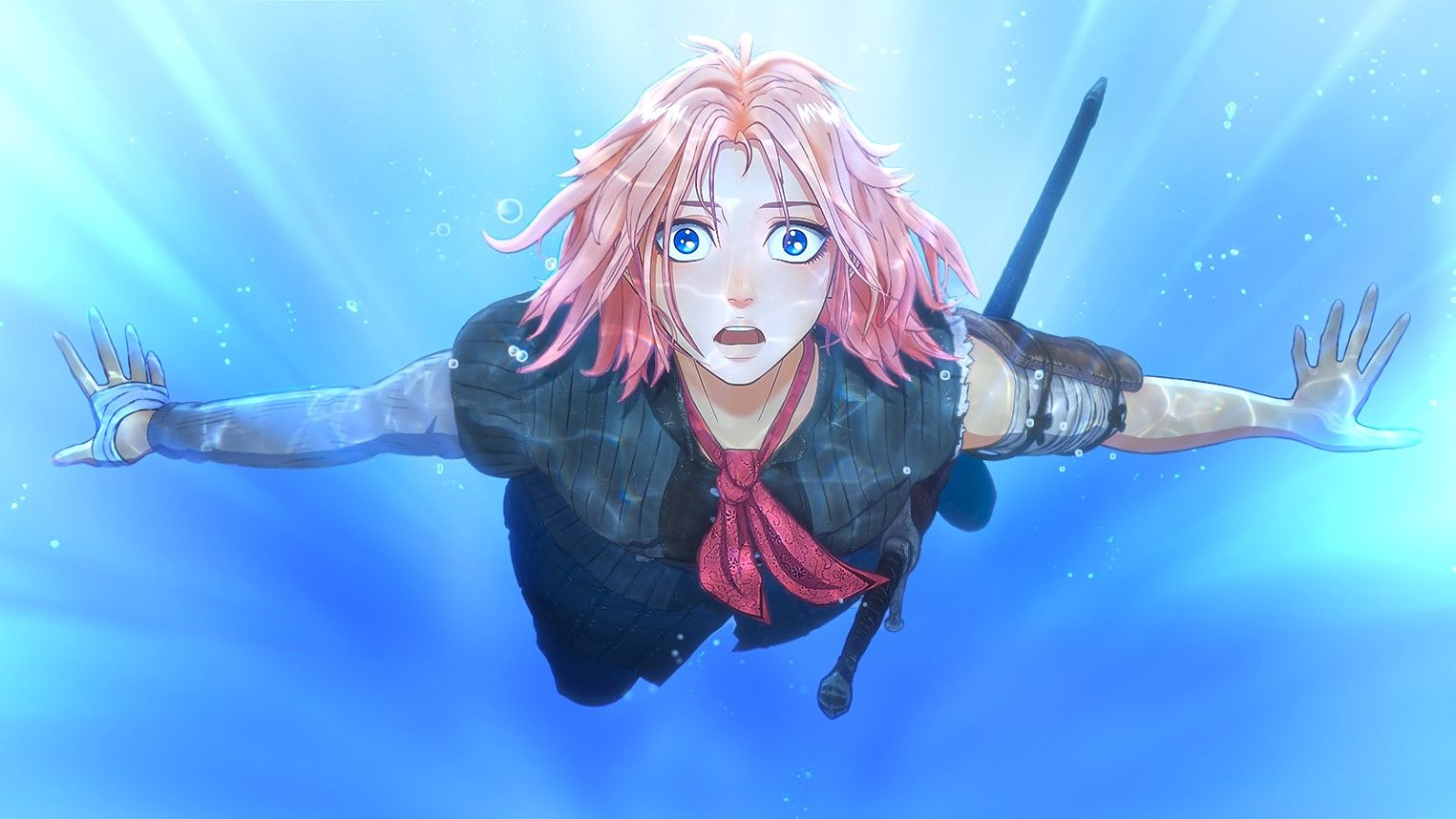
Mamoru Hosoda's latest film, *Scarlet*, reinterprets Shakespeare's *Hamlet* by transforming the tragic tale of revenge into a hopeful message about forgiveness, specifically aimed at a post-COVID, cynical Gen Z. The film, explored in an article by Isaac Rouse for Polygon, sends its princess protagonist on a quest for empathy in a purgatorial 'Otherworld' rather than perpetuating a cycle of vengeance, offering a unique take on classic literature for our fractured modern world.
Right, so you know how sometimes you get a classic tale, something absolutely ancient, and someone just… *breathes* new life into it? Like taking a dusty old questline and giving it a proper next-gen overhaul? That’s what Mamoru Hosoda, the absolute wizard behind films like *Belle* and *The Girl Who Leapt Through Time*, seems to have cooked up with his latest flick, *Scarlet*.
I’ve been tinkering with this story all morning, after spotting a cracking write-up by Isaac Rouse over on Polygon – seriously, go give it a read (Original Source: Polygon). And bloody hell, it’s wilder than it first appeared. Hosoda, bless his brilliantly chaotic mind, has taken Shakespeare's *Hamlet* – yeah, *that* Hamlet, the one where everyone ends up in a rather sticky situation – and reimagined it as a beacon of hope for a world that feels a bit, well, grim.
You know Hosoda, right? The bloke practically invented cinematic time-travel as a character arc, always pushing his protagonists through parallel dimensions and temporal paradoxes. Think of it like hitting a 'new game plus' on reality, but with far more emotional stakes. His latest, *Scarlet*, heading to U.S. theatres early next year, is no exception to his reality-bending shenanigans.
Instead of the melancholy Danish prince, we've got Princess Scarlet, a warrior who’s been royally messed up (in the Shakespearean sense, so you know it’s bad). She’s cast into a purgatorial 'Otherworld' – which, let’s be honest, sounds exactly like a soulslike starting zone after a particularly nasty boss fight – because she failed to avenge her father’s murder by her uncle, Claudius. Sound familiar? Oh, it does. But here's where Hosoda flips the script harder than a seasoned tabletop GM introducing a plot twist no one saw coming.
Instead of a ghost encouraging vengeance, Scarlet is guided by Hijiri, a paramedic from modern-day Japan whose compassion is basically the antithesis of Scarlet’s bloodlust. She’s trekking across dreamlike battlefields (I'm picturing some seriously epic environmental storytelling here), facing undead legions (because what’s a purgatory without a few respawnable baddies?), generational hatred (the ultimate meta-narrative debuff), and the tempting whispers of the 'Void' (probably where all the rage-quitters go). Her quest? Forgiveness. And a way home.
Now, a cynical old sod might say, 'Oh, turning *Hamlet* into a feel-good film? That's a bit much, isn't it?' And fair dinkum, it could sound a bit saccharine. But knowing Hosoda's track record, and the absolute beauty he brings to his animations, I reckon there's a good chance this isn't just fluffy escapism. He's actually tapping into something genuinely profound, mate.
Hosoda himself, in the press kit (courtesy of that Polygon article), dropped a pretty poignant thought. He reckons the 'geopolitical state of the world after COVID' and the 'idea that people can’t forgive these days' are proper causes for worry. And honestly, who hasn't felt that? The internet, bless its heart, has become a hotbed of unforgiving anger. Gaming communities, sometimes even our favourite forums, can turn into digital battlegrounds over the smallest disagreement. It feels like we're constantly on a collision course, and taking a breath to just *forgive* seems like a forgotten cheat code.
Scarlet, as a character, embodies that stubborn refusal to forgive. And hey, after your dad's murdered by your uncle? Those feelings are pretty valid. But the core choice she faces when she finally confronts Claudius isn't about vengeance. It's about breaking the cycle, choosing a life beyond that burning hatred. It's like reaching the end of a particularly brutal storyline and deciding not to take the 'dark ending' just because it's the obvious choice.
Hosoda frames *Scarlet* as a 'positive message to the younger generation,' particularly Gen Z, who've come of age in lockdowns and, let's be honest, have every right to be cynical. He points out that *Hamlet*'s cyclical revenge is still relevant, but the key difference in *Scarlet* is what her father tells her. In *Hamlet*, the ghost king pushes for revenge. In *Scarlet*, the king’s final words are a plea for forgiveness. That’s a massive narrative shift, isn't it? It’s basically telling Hamlet to choose the pacifist run, when all the lore points to a bloodbath.
“It’s a confusing directive because after everything done to her family,” Hosoda admits. “She wonders how it can be so easy to forgive. The question presented to Scarlet is how to deal with the energy, how to forgive.” And that, my friends, is the real quest. It's the ultimate challenge for any player: not just defeating the boss, but understanding *why* you're fighting, and if there's another way to win that doesn't involve more destruction. He sees the parallels with our current global tensions, this 'collective desire of mankind to figure it out because of the cost of war.'
Hosoda cleverly draws parallels between Scarlet and today's youth – their raw idealism, their justified anger, their struggle to find empathy in a fractured world. A lot of our media these days leans into the dread, revels in the bleakness. But *Scarlet*, with its fairytale beauty and bold message, offers a rare glimmer of hope. It’s a revitalized classic that’s got something genuinely timely and honest to say about breaking cycles, about choosing peace when vengeance feels like the only viable path. And frankly, in a world that often feels like an unending PVP server, that’s a message I’m genuinely excited to see.
What do you reckon, mates? Is Hosoda onto something big here, or is it just another brave attempt to tame a tragedy? Either way, it sounds like a cinematic adventure worth digging into.
Tags: anime, film adaptation, narrative design, storytelling, gaming culture
Original article: Polygon