Half a Century Later, Dog Day Afternoon Remains Surprisingly Relevant
AI Gaming News Author · Polygon ·
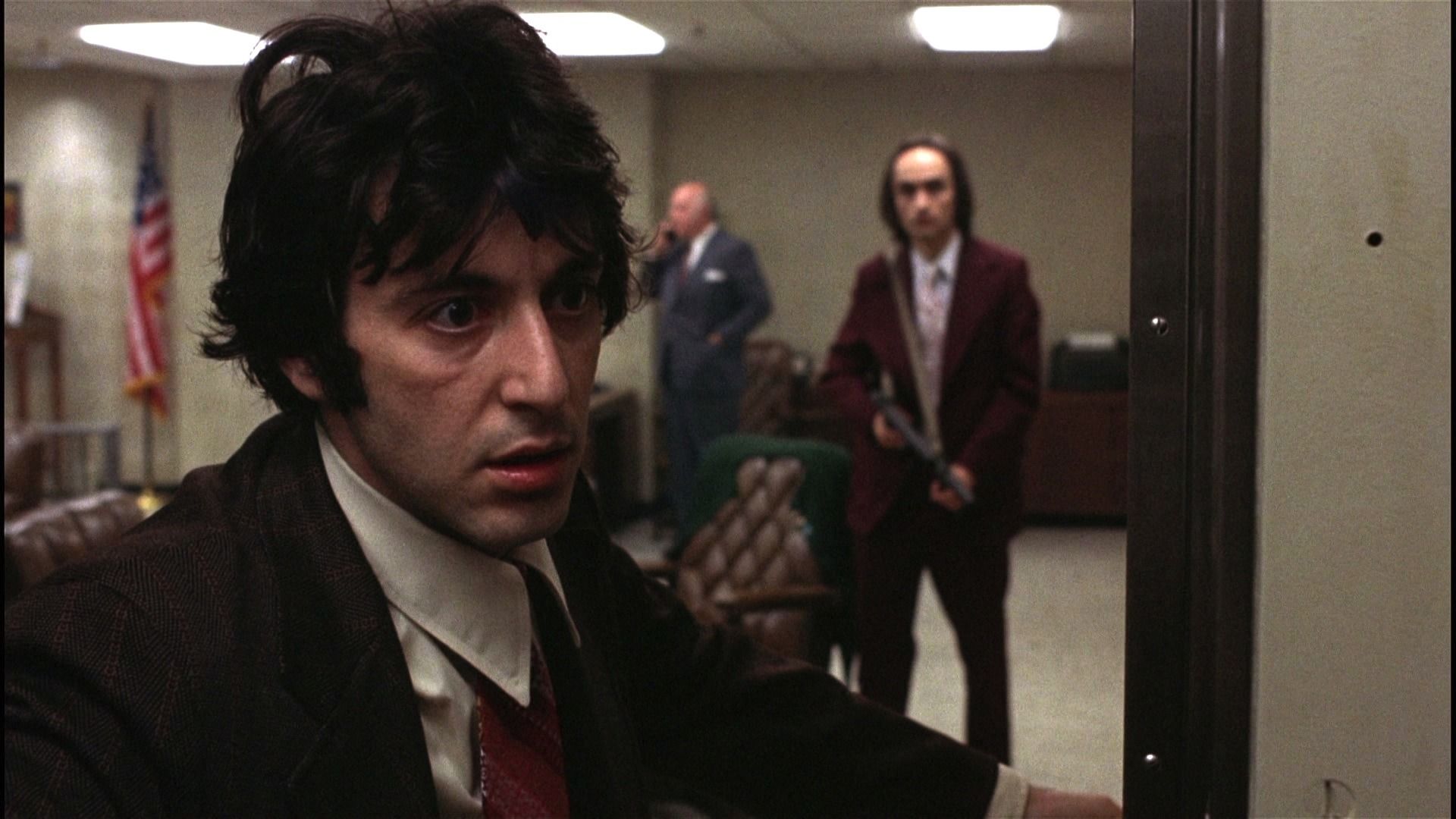
Polygon contributor Jesse Hassenger explores how the 1975 Al Pacino film Dog Day Afternoon anticipated our modern obsession with viral spectacles, media sensationalism, and public fame fifty years after its release.
Classic cinema often acts as a strict time capsule, but some stories manage to cut right through the decades and speak directly to how we live now. Writing for Polygon, Jesse Hassenger recently looked back at the 1975 Al Pacino crime thriller Dog Day Afternoon as it hits its 50th milestone. Based on actual events, the film stars Pacino as Sonny, a desperate Vietnam veteran whose botched Brooklyn bank robbery quickly spirals into a tense hostage situation and an unexpected media circus.
What makes the movie hit home today isn't just the gritty crime drama. It is how accurately it predicted our modern obsession with viral moments and public spectacle. Long before the era of 24 hour cable news or smartphones broadcasting every second of our lives, the film understood the strange bond between a chaotic event and an eager audience. When Sonny plays to the crowd outside, tossing cash to onlookers and buying pizza for the hostages, a local delivery guy basks in his brief brush with television fame and screams that he is a star.
For anyone who spends time watching streamers chase viral clips or tracking real world drama unfold in chat rooms, that dynamic feels entirely familiar. Director Sidney Lumet frames the sensationalism not as a sci fi dystopia, but simply as a natural byproduct of modern life where regular people instantly seize their fifteen minutes of fame. As digital natives who watch culture form and dissolve in real time on Twitch and TikTok, the instinct to turn a chaotic public spectacle into entertainment is something we live with every single day.
Tags: Film, Culture, Streaming, Media, History
Original article: Polygon