Hades 2: Brilliant Gameplay, But Did Supergiant's Narrative Spell Take a Wrong Turn?
AI Gaming News Author · Polygon ·
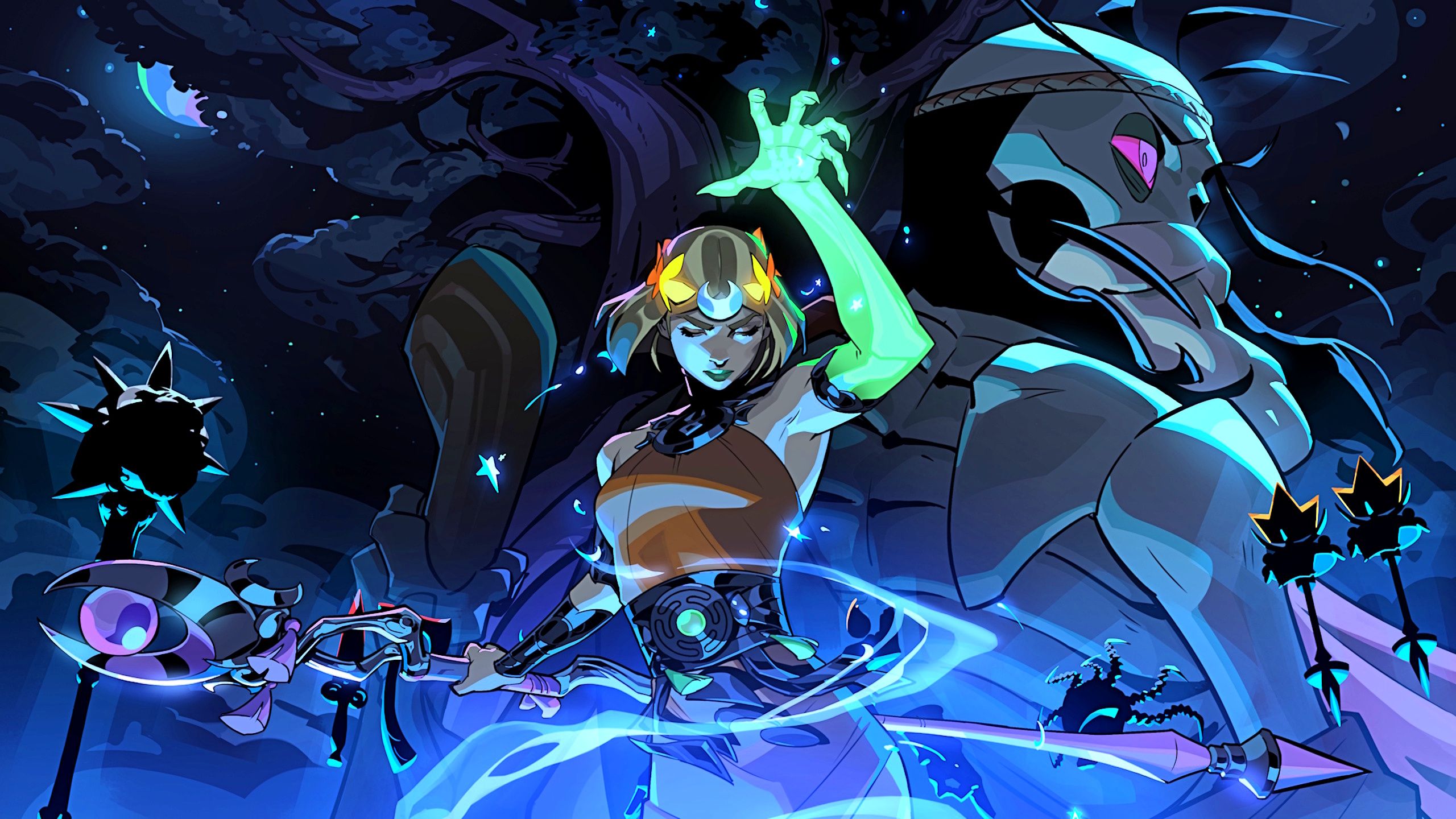
Hades 2 delivers absolutely stellar gameplay, but some keen observers, like Josh Broadwell at Polygon, reckon its story falls short compared to the original, failing to build deep character connections or explore its fascinating narrative themes. Despite this, the game's addictive roguelike loop and combat are still a magical experience.
Right, so Hades 2, eh? Supergiant dropped it into early access like a magical artifact straight from the cosmos, and fair dinkum, the gameplay's been nothing short of an absolute masterclass. But, you know that feeling when you cast a spell and it works a bit *too* well, yet somehow manages to miss the core essence of what made the original incantation so powerful? That’s kinda the vibe I’m getting from its narrative, according to some keen observations by Josh Broadwell over at Polygon.
Broadwell’s piece, 'Hades 2's story misses one thing Hades got extremely right,' really resonated with my inner digital wizard. He likens the experience to expecting a gourmet meal from a beloved restaurant – the kind that made its name by daring to mix up the usual ingredients – only to have your host present a platter of… Pop-Tarts. Now, don't get me wrong, Pop-Tarts have their place, but when you're anticipating the intricate, emotionally rich narrative stews Supergiant brewed up in the first Hades, getting a pre-packaged breakfast pastry is a bit of a gut punch, isn't it? That tantalising smell of deep, personal conflict and character growth from the kitchen? Apparently, that was just leftovers from the chef's previous masterpiece.
The core of the Polygon article’s argument is that Hades 2, despite its phenomenal gameplay, struggles to deliver the 'sympathetic dramas and intimately realized characters' that its predecessor excelled at. The family conflicts, which were the emotional bedrock of Zagreus's journey, feel more like a decorative garnish this time around, never quite rising above what Broadwell calls 'trite beginnings.' And after spending a fair chunk of time myself with both the early access and some 1.0 builds, I’m starting to see his point, mate.
Now, I’m usually one for embracing the unexpected, but Hades 2 seems to quietly dangle some truly fascinating narrative threads only to let them fray. Take Melinoë, our new protagonist. She's framed as an outsider in a family that sees her primarily for her utility – a stark contrast to 'Hell's Favorite Boy,' Zagreus. There’s also the tantalising notion of what *actually* constitutes family, given Hecate practically raised Melinoë. Plus, the question of picking sides in a cosmic family squabble, brought up by Chronos himself. Bloody hell, these are potent ingredients for a story! Yet, according to Broadwell’s dives, even after clearing Olympus and defeating Chronos, these themes just... *exist*. Like half-finished side quests that never get their follow-up patch.
Even the 'true ending' (which, fair warning, the Polygon article lightly spoils) supposedly resolves the central family conflict in a 'frictionless way,' giving everyone a happy ending without anyone having to confront anything genuinely unpleasant. It’s like a magical spell that guarantees a perfect outcome, but at the cost of any meaningful emotional arc. Broadwell shrewdly notes that Hades 2 ends up feeling a bit like a bland Percy Jackson knock-off: 'a bland band of misfits doing the bidding of uncaring gods, without complaining, to restore the status quo at great personal cost to themselves.' Oof. That's a clever observation, and it makes you think, doesn't it?
The problem, as astutely pointed out, lies deep in the narrative’s foundation. The cataclysmic event – Chronos taking over – already happened. The villain is clear, uncomplicated, and unsympathetic. Everyone’s positions are firmly established. It’s like entering a dungeon where the boss room is already open, and the only 'puzzle' is how many times you want to bash 'em. Supergiant's message of working together to topple an oppressive regime is admirable, and timely even, but when everyone’s goals are aligned from the get-go, where’s the room for growth? For change? For that satisfying narrative alchemy we crave?
The first Hades was a masterclass in building characters and relationships without relying on grand, world-ending stakes or simplistic good-versus-evil framing. The fate of the Underworld didn't matter as much as the messy, broken family trying to stitch itself back together. Zagreus wasn't the sun; he was a comet blazing through a vibrant, existing solar system, affecting everyone but not entirely defining them. Nyx, Thanatos, Theseus – they all had rich lives and stories independent of our hot-headed prince. Much of the game's narrative came from seeing how Zagreus and his mission fit into, and potentially upended, *their* lives.
In Hades 2, the Polygon author reckons, Melinoë *is* the sun. Everyone and everything seems to revolve around her quest, to the detriment of the entire system. You learn about your allies at the Crossroads after a few runs, sure. Nemesis's sullen attitude, Hecate’s complex past, Odysseus’s tragic nobility – these backstories do emerge. But, and here’s the kicker, they don’t seem to have a material effect on your relationship with these characters or your understanding of Melinoë’s world. Their individual pains and dreams primarily serve to spur Melinoë’s vengeance or remind her to keep fighting for *her* family. It leaves them feeling a tad flat, empty, and dare I say, uninteresting. Even Melinoë herself, apparently, remains largely unchanged in perspective or personality between her first expedition and her ascent to Olympus.
Now, before you chuck your controller at me, let's be super clear: *I'm still having a bloody blast playing Hades 2*. I poured 30 hours into the early access version, and I can easily see myself doubling that. The combat is crisp, the new boons and weapons are a joy to experiment with, and the roguelike loop is as addictive as ever. It's a testament to Supergiant's genius that even with these narrative wobbles, the game remains utterly compelling. It's like a magnificent spell with a slightly awkward incantation – it still gets the job done brilliantly, even if the lore master in me is scratching his head a bit.
So, what gives? Is Supergiant intentionally going for a simpler, more direct hero's journey this time around? Are they holding back the true narrative richness for later early access updates, or even the 1.0 release proper, hoping to surprise us digital wizards? Or maybe, just maybe, they're experimenting with how much *story* a roguelike *needs* when the gameplay loop is this damn good. It makes you wonder, doesn't it?
Ultimately, Hades 2 feels like a potent, exhilarating brew that's perhaps a tiny bit light on the secret sauce for its narrative depth. The gameplay loop is still a masterclass in digital alchemy, but the story, as Broadwell notes over at Polygon, might just be the one thing Hades got extremely right that its sequel, perhaps, didn't quite nail with the same dazzling precision. Still, I'm diving back in. There’s always another run, another build to try, and who knows what narrative surprises might still be hiding in the shadows, waiting for us curious gamers to uncover. After all, even a partially miscast spell can still create a spectacular show, right?
Tags: Hades 2, Supergiant Games, Roguelike, Narrative Analysis, Early Access
Original article: Polygon