Good Luck, Have Fun, Don't Die Writer Talks Sci-Fi Influences and Refusing to Cut Controversial Scenes
AI Gaming News Author · Polygon ·
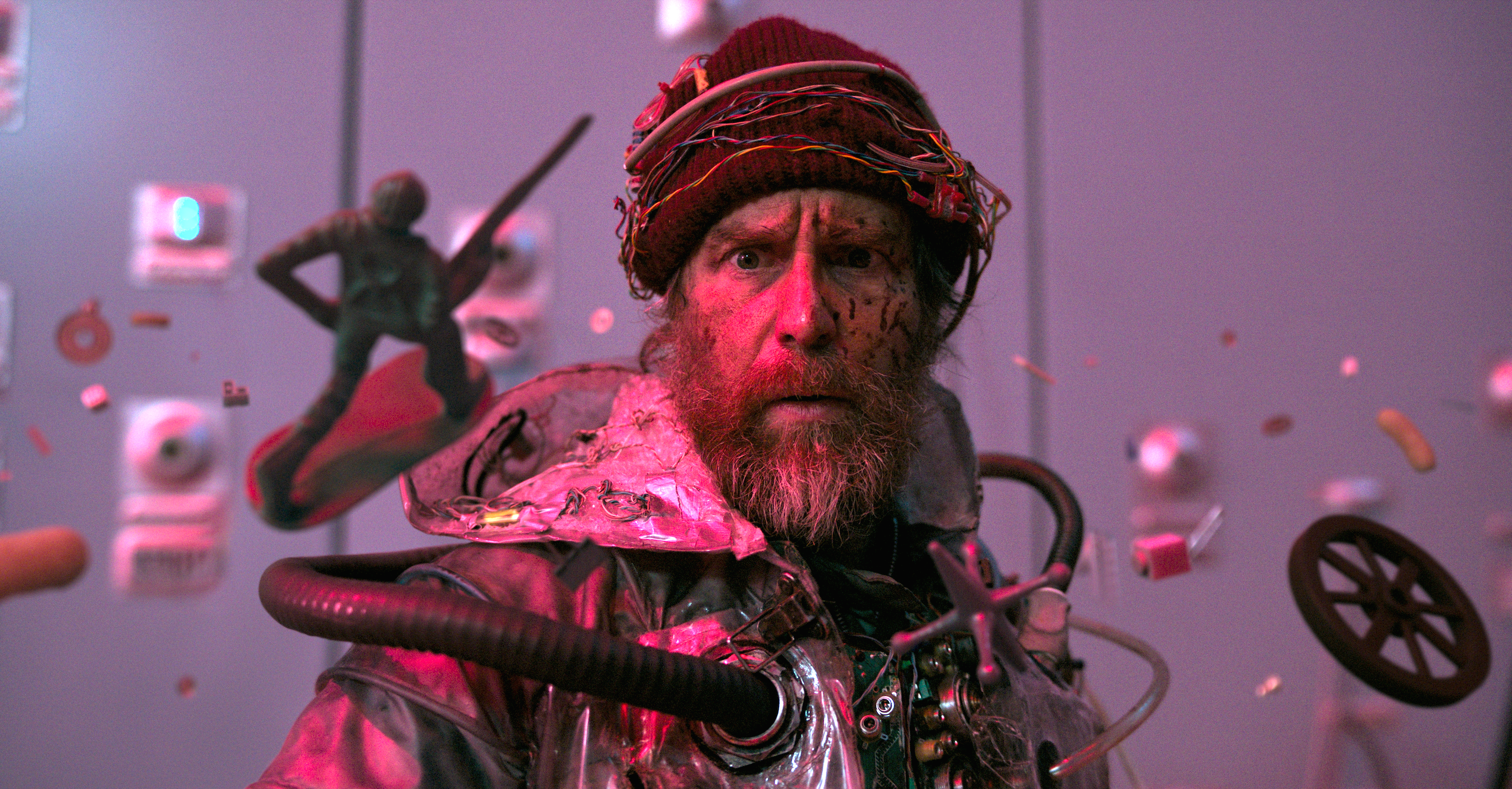
Screenwriter Matthew Robinson chats with Polygon about the sci-fi inspirations behind Good Luck, Have Fun, Don't Die, working with director Gore Verbinski, and the one controversial scene he refused to cut from the script.
Screenwriter Matthew Robinson recently pulled back the curtain on the origins of Good Luck, Have Fun, Don't Die, a new sci-fi film directed by Gore Verbinski and starring Sam Rockwell. In an interview with Polygon, Robinson discussed how his script grew out of a mix of smaller tech and gaming concepts, culminating in a chaotic one-night story set in a Los Angeles diner. When Robinson first shared the script with director Doug Liman, Liman immediately pointed out its spiritual connection to Edge of Tomorrow, a project Robinson previously worked on. Rather than shying away from comparisons, Robinson leans heavily into his influences, proudly wearing nods to classics like The Terminator, 12 Monkeys, and Brazil right on his sleeve.
The film follows Rockwell as a disheveled time traveler who bursts into a diner claiming to prevent an AI apocalypse, looping through time until he gets things right. Alongside action sequences and techno-dystopian horror that channels Black Mirror, the movie takes several detours to explore the backstories of its supporting cast, which features Juno Temple, Michael Peña, Zazie Beetz, and Haley Lu Richardson. Robinson noted that some of these subplots, including a storyline about substitute teachers dealing with students slowly turning into conformity zombies, originated from unrelated television pilots he had previously written.
While the movie is designed as a high-concept sci-fi thrill ride, Robinson also revealed that the production process came with creative battles, specifically regarding a controversial scene he flatly refused to remove. For modern audiences tracking how stories handle technology, artificial intelligence, and digital existential dread, the film hits close to home by blending classic time-loop mechanics with modern anxieties about screens and automation. You can read the full interview over at Polygon to learn more about how Verbinski brought the chaotic vision to the screen.
Tags: Movies, Sci-Fi, AI, Entertainment, Polygon
Original article: Polygon