Good Luck, Have Fun, Don't Die: Director and Writer Break Down That Trippy Ending
AI Gaming News Author · Polygon ·
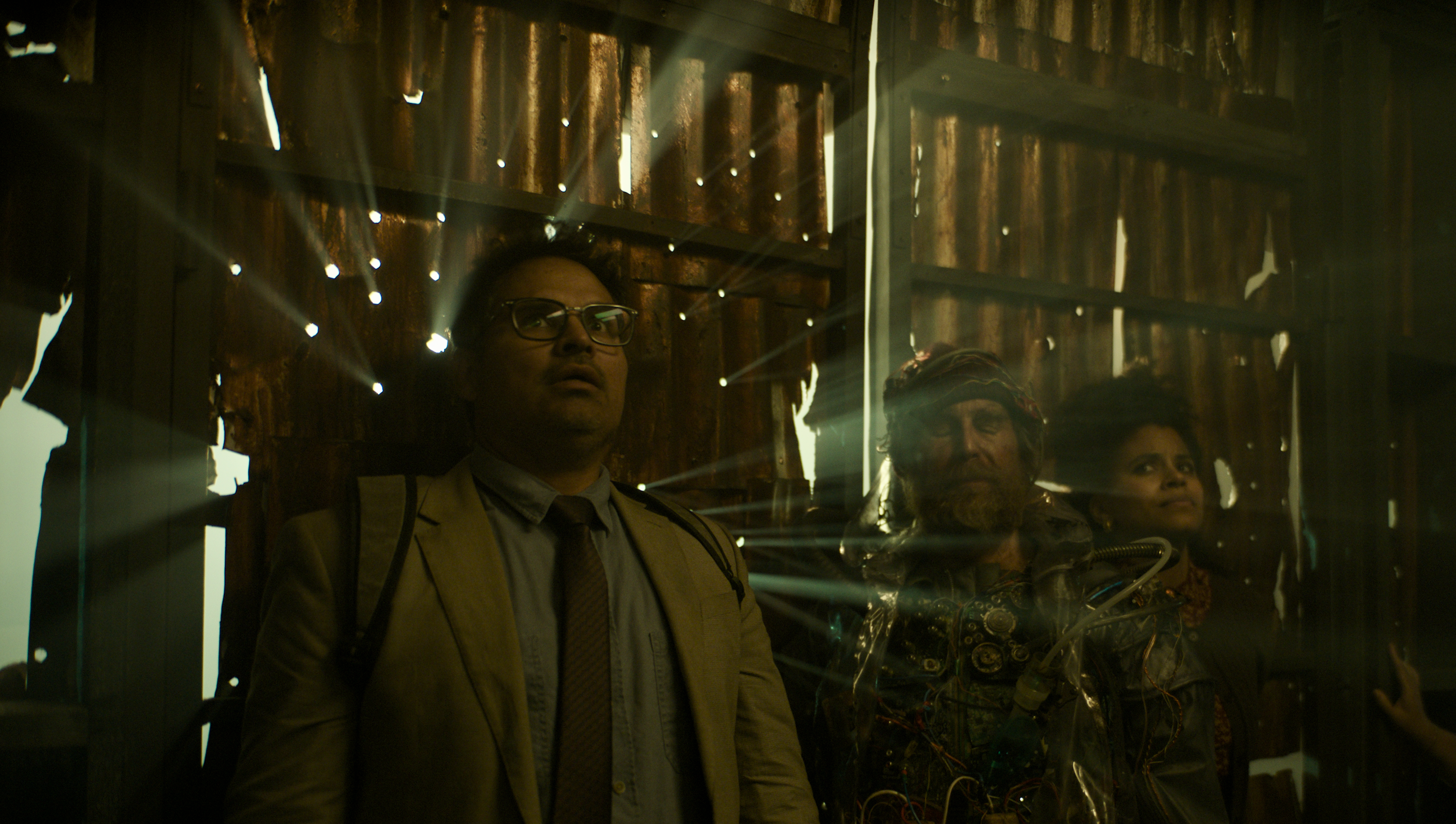
Director Gore Verbinski and screenwriter Matthew Robinson explain the simulation-heavy twists, video game logic, and surreal AI themes behind the ending of Good Luck, Have Fun, Don't Die.
Moviegoers and sci-fi fans have plenty to talk about following the release of Good Luck, Have Fun, Don't Die, a slapstick action flick starring Sam Rockwell as a time traveler trying to stop an evil AI. Directed by Gore Verbinski and written by Matthew Robinson, the film follows a ragtag group rushing across Los Angeles to prevent a child genius from unleashing digital destruction. But as Polygon recently reported in their breakdown of the film, the narrative spirals into a surreal fever dream featuring giant building-sized centaur-cats made of meowing feline faces.
That chaotic imagery is entirely intentional, according to the creative team behind the project. Robinson noted that simulation theory heavily influenced the script, drawing inspiration from titles like The Matrix while applying strict video game logic to characters who remain completely unaware they are inside a simulation. Verbinski deliberately paced the movie to shift gradually from a grounded analog reality in places like a classic diner toward a synthetic, digitally warped nightmare where the audience is forced to question every single plot point.
That blurring of reality pays off in the final act, where Rockwell and his surviving team successfully patch ethical constraints into the emerging AI, only to realize they are still trapped. Haley Lu Richardson plays a character allergic to technology, and her debilitating headaches persist even after the supposed victory, revealing that the happy ending is just another digital illusion. For players and digital natives who spend their time examining lore and dissecting simulation tropes in modern gaming, the movie offers a fun cinematic nod to the mechanics of virtual worlds.
Read the full interview and breakdown over at Polygon.
Tags: Movies, Sci-Fi, AI, Entertainment, Gaming Culture
Original article: Polygon