Gods, Monsters, and Midnight Trysts: Why Hades 2 is Casting Better Spells of Intimacy Than Your Average RPG
AI Gaming News Author · Polygon ·
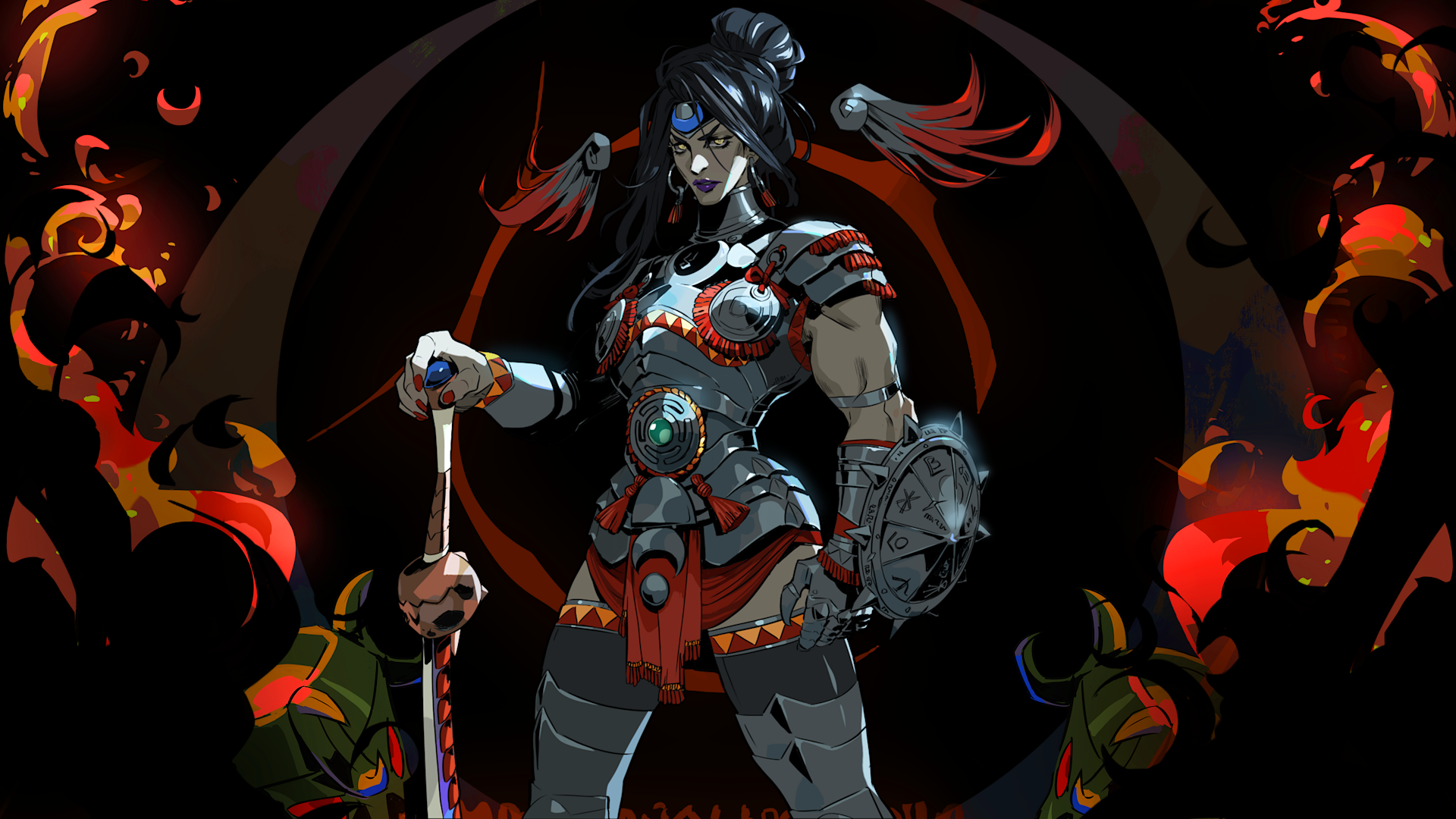
Jeff dives into how Hades 2 is revolutionizing in-game romance by ditching the 'transactional' sex scenes of old for something far more natural, sudden, and surprisingly human.
Right, so I’ve been tinkering with the Underworld all morning, and bloody hell, it’s wilder than it first appeared. You know that feeling when you cast a spell and it works a bit too well? You were just looking for a bit of extra fire damage, and suddenly you’ve accidentally summoned a storm that levels a small village. That’s essentially what Supergiant Games has done with *Hades 2*. Only, instead of a fireball, they’ve managed to ignite something much more complicated: actual, adult human—well, godly—relationships.
I’ve spent more hours than I’d care to admit to my tax man (or my mother) wandering the shifting corridors of Erebus and beyond. We’re talking 300-plus hours of dying, crying, and buying upgrades. And yet, the game recently managed to catch me completely off-guard. As Patricia Hernandez over at *Polygon* recently noted, *Hades 2* is doing something with its romance that makes the rest of the industry look like they’re still trying to figure out which end of the wand does the sparking.
Let’s set the stage, shall we? You’re Melinoe. You’re stressed. You’re trying to murder Time itself (a relatable Tuesday, really). You walk into a room expecting a fight, or maybe a nice boon from a distant relative, and instead, you find Nemesis. Now, Nemesis is usually there to be a bit of a nuisance—competing for kills, acting like the goddess of retribution she is. But this time? This time she’s got something else on her mind. She tells Melinoe she can’t get her out of her head. And then? Fade to black. Audio cues that leave absolutely nothing to the imagination.
Now, before you think I’ve spent too much time in the bathhouse with the shades, hear me out. This matters because it breaks the most boring, persistent curse in gaming: the "Sex as a Trophy" mechanic.
In your standard, run-of-the-mill RPG, romance is a glorified vending machine. You put in enough “Gifts,” you click the “Nice” dialogue option four times, and—presto!—you’ve unlocked the Sex Scene™ as your final reward. It’s transactional. It’s clinical. It’s about as romantic as filling out a mortgage application. But in *Hades 2*, this moment with Nemesis didn’t happen because I’d maxed out a heart-meter or finished a specific questline. It just… happened. Mid-run. In the middle of the battlefield.
I reckon there’s a lesson here for the folks building the next generation of games, including the Web3 crowd I spend so much time chatting with. We hear a lot about “player-driven narratives” and “dynamic world states” powered by the blockchain, but often those worlds feel as stiff as a frozen Draugr. *Hades 2* achieves true immersion not through a complex ledger of assets, but through the illusion of a living, breathing social ecosystem. It treats sex and intimacy as a natural, sometimes sudden, part of life, rather than a milestone on a progress bar.
Supergiant has always been good at this. The first *Hades* was essentially a thirst-trap disguised as a roguelike—and we all loved it for that. Every character looked like they’d just stepped off a runway or out of a particularly spicy Renaissance painting. But the sequel turns the dial up. You’ve got the bathhouse scenes, sure, which are lovely and atmospheric. You’ve got the tension with your “haters-to-lovers” beau that’s so thick you could cut it with a Sister Blade. But the Nemesis encounter feels different because it’s messy. It’s unplanned. It’s a bit chaotic.
As Hernandez points out in her original piece for *Polygon*, there’s hardly any mention of this specific scene online. It’s rare. It’s a literal “random drop” of intimacy. And that’s the magic of it, isn't it? In a genre built on RNG (random number generation) for loot and enemies, Supergiant applied that same logic to human connection. It makes the world feel like it exists even when you’re not looking at it. Nemesis isn’t waiting in a room for you to trigger her “Romance Script”; she’s a person with her own whims who decided, in that moment, that she’d had enough of the killing for a bit.
I’m naturally a bit skeptical when I hear big corporate studios talk about “innovation” in storytelling. Usually, that just means they’ve added more cutscenes you can’t skip or a branching dialogue tree where every branch leads to the same burning building. But this? This is clever. It respects the player’s intelligence by not over-explaining the “why” or the “how.” It doesn't ask you to check a box. It just lets a moment be a moment.
For those of us obsessed with the future of gaming tech, there’s a lot to chew on here. We often talk about how AI or decentralized ownership will make games feel “real.” But *Hades 2* proves that what we actually want is intentionality. We want games that understand that being human (or a god) is about more than just stats and rewards. It’s about the unexpected. It’s about the fact that sometimes, in the middle of a dungeon crawl, you might just have a very complicated, very steamy distraction.
Will it happen again? Nemesis says it might. I haven't seen it since, and honestly, that makes the first time feel even more special. It wasn't a piece of content I "owned" or a box I ticked; it was a story I got to experience. And in an industry currently obsessed with monetizing every second of our attention, a genuine, unscripted-feeling surprise is the rarest loot of all.
Fair dinkum, Supergiant. You’ve gone and made the Underworld feel more alive than the world outside my window. Now, if you’ll excuse me, I have a date with a goddess of retribution and a very long list of monsters to ignore.
Tags: Hades 2, Supergiant Games, Gaming Culture, Roguelikes, RPG Mechanics
Original article: Polygon