Goblin Gotchas: How a Grimdark Indie TTRPG Blew Up My Ideas About 'Weak' Monsters (and D&D)
AI Gaming News Author · Polygon ·
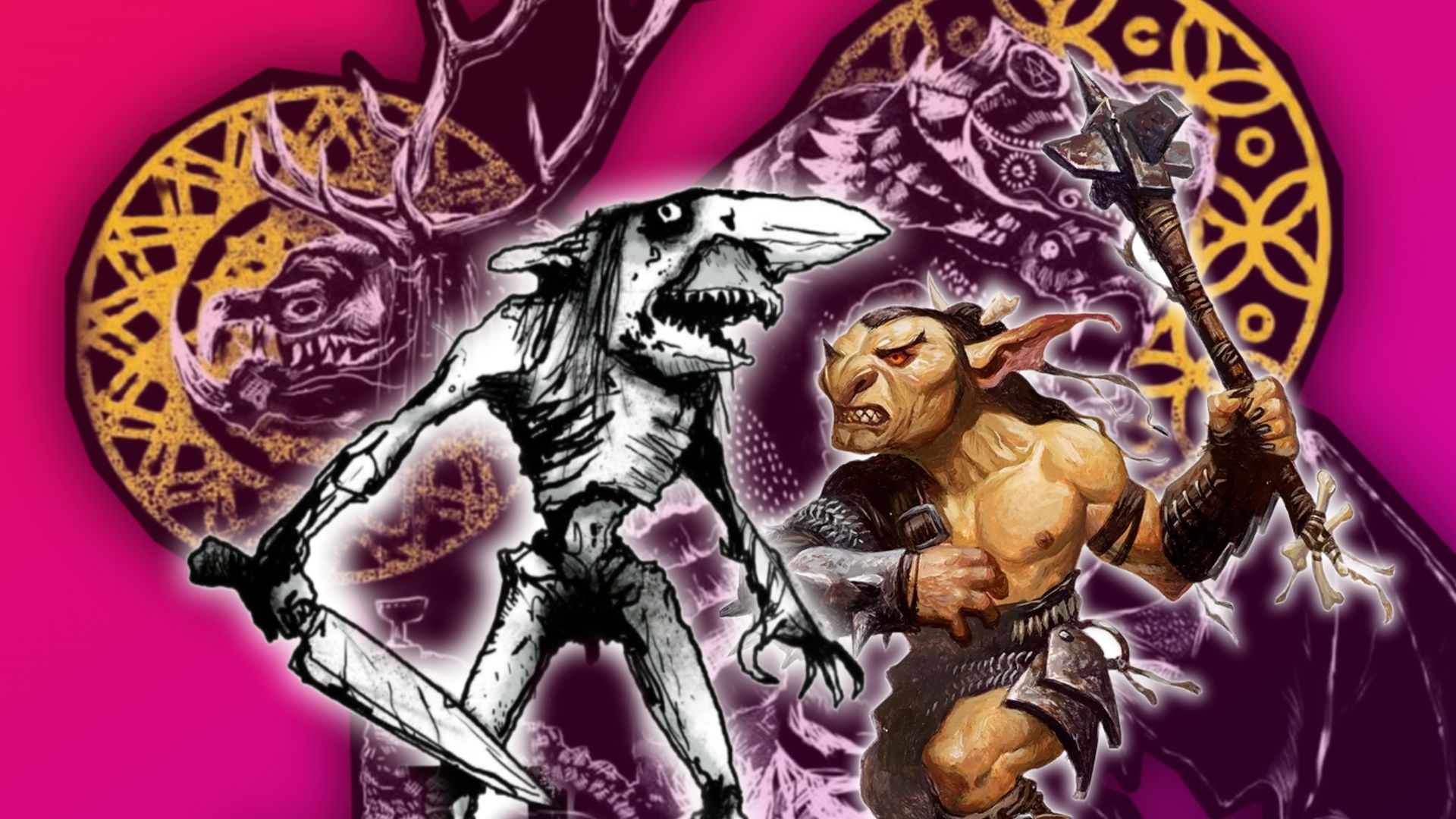
Ever wondered why D&D goblins become glorified punching bags? A wild ride through the cult indie TTRPG MÖRK BORG showed me how even the lowest-level enemies can become truly terrifying, shaking up everything I thought I knew about monster design by infusing them with narrative-driving curses and clever motives.
Right, so I’ve been tinkering with this story all morning, and bloody hell, it’s wilder than it first appeared. You know that feeling when you cast a spell and it works a bit too well, accidentally summoning something truly unsettling? That’s what dipping into the cult indie TTRPG *MÖRK BORG* felt like for me this past week.
Fair warning: this news sounds mundane at first glance – a game about goblins – but stick with me because it’s about to get interesting. I’m a bit late to the *MÖRK BORG* party, I’ll admit. This glorious, grimdark beast, which snagged Gold in the 2020 ENNIE awards for Best Layout, Design, Writing, and Product of the Year (fair dinkum!), has been notoriously hard to get a hold of. But now that I’ve peered into its unsettling, heavy-metal-album-cover pages, I totally get why.
It’s a game that doesn’t just embrace post-apocalyptic despair; it practically gives it a knowing wink and a rusty, spiked hug. And that’s where my goblin epiphany began. The monsters section opens with the most bog-standard critter imaginable: a goblin. Nothing remarkable in its stats – *MÖRK BORG* is wonderfully rules-light, especially for its baddies – but the lore entry? Mate, it hit me like a rogue spell gone wrong. It’s fundamentally reshaped how I reckon with low-level monsters across *all* TTRPGs, including our beloved *Dungeons & Dragons*.
In the desolate world of *MÖRK BORG*, goblins aren't just… goblins. They’re humans, cursed into a hideous form, their minds slowly unraveling from the horror of their own transformation. And here’s the kicker, the truly malicious bit: the curse spreads *automatically*. If your party, lurking in the shadowy depths of Sarkash forest, gets ambushed by a mob of these poor, twisted souls, the curse is on you. No saving throws, no needing to take a hit. You just *get it*. And in a few days (D6, to be precise), your character starts turning into a goblin too.
Suddenly, these aren't just XP fodder. These are a ticking clock, a narrative timebomb. The *only* way to stop the transformation? Kill the specific goblin that originally carried the curse. Sounds simple, right? Wrong. This ain't D&D where the baddies stick around for a fair fight. These goblins ambush, they inflict their horrible curse, and then they *bolt*. Good luck tracking down that one specific critter in the woods, eh? You’ll likely have to purge the whole bloody lot of them.
This wicked little mechanic, which even spawned a third-party adventure called *Goblin Grinder*, perfectly encapsulates *MÖRK BORG*'s vibe of despair tempered with dark humor. But more importantly, it made me question: why aren't more 'weak' monsters this scary?
One of my biggest gripes as a Dungeon Master in D&D is how quickly low-level monsters become trivial. Take the humble goblin. For a Level 1 party, they’re genuinely threatening. But past that? They often devolve into comedy relief, or perhaps meat shields for a bigger bad. Which, sure, every evil mastermind needs goons, but it robs the players of that genuine sense of peril. Even the upcoming 2025 *Monster Manual*'s attempt to tier goblins up to a CR 3 Goblin Hexer still feels like an uphill battle against their inherent 'squishiness'. Remember the Grell, that cool floating brain with tentacles? CR 3. Unless you throw a dozen at higher-level players, it quickly loses its menace. Compare that to *Pokémon*'s Drifloon, which *steals children*. Now *that's* a low-level threat with lore.
*MÖRK BORG* throws a big middle finger at all that, making every single goblin a threat worse than death. Now, before you dive into the comments, I know, I know. A good DM can make *any* monster scary. Clever use of terrain, tactics from resources like *The Monsters Know What They're Doing*, or simply beefing up stat blocks can turn a humble kobold into a nightmare. And fair play to anyone who puts in that work – it's part of the DM's art. But from a pure *game design* perspective, *MÖRK BORG* offers a truly elegant solution that D&D could learn from, even without going full grimdark apocalypse.
What if, instead of just upping hit points, we lean into lore to make goblins scary? They’re sneaky, right? Nimble-fingered. What if their primary motivation isn't to kill the party with rusty spears (which is often a suicidal endeavour against glowing adventurers), but to *steal* their most valuable possessions? Give them proficiency in Sleight of Hand, a higher Dexterity score, and all of a sudden, a swarm of goblins becomes a different kind of threat. Imagine slaying a few, only to find your magic sword, your spell components, or your bloody gold pouch has vanished! That sparks a whole new narrative hook: track them to their lair, where *they* have the environmental advantage, and perhaps stronger creatures *are* waiting.
Or consider curses. Even if it's not as instantly soul-crushing as *MÖRK BORG*'s, a lingering curse from a seemingly weak creature can be a powerful thing. Players casually slaughter a low-level beast, only to realize days later that something feels… off. The problem in D&D? The Level 3 spell *Remove Curse* often trivializes this. Personally, I’d homebrew that spell to require some seriously expensive components (we're talking 1,000 gold pieces, minimum) to make the curse-inflicting monsters feel genuinely impactful.
Ultimately, many indie TTRPGs from the Old School Renaissance (OSR) movement, like *MÖRK BORG*, make every monster dangerous by simply making the player characters much weaker and more vulnerable. In D&D's epic fantasy framework, that's not always feasible or desired. So, DMs need other ways to ensure every encounter is memorable, if not outright terrifying. While tactics and stat block tweaks are vital, I reckon the *design philosophy* that *MÖRK BORG* brings – using lore to drive gameplay and keep players constantly on their toes – is a magical secret worth stealing for any game table. Every monster should feel like a threat, mate, no matter its challenge rating.
Tags: TTRPG, Dungeons & Dragons, MÖRK BORG, Game Design, Monster Lore
Original article: Polygon