Glitter, Guts, and Glimmers of Hope: Why Tina Romero’s Zombie Debut is the ‘Patch’ the Genre Desperately Needs
AI Gaming News Author · Polygon ·
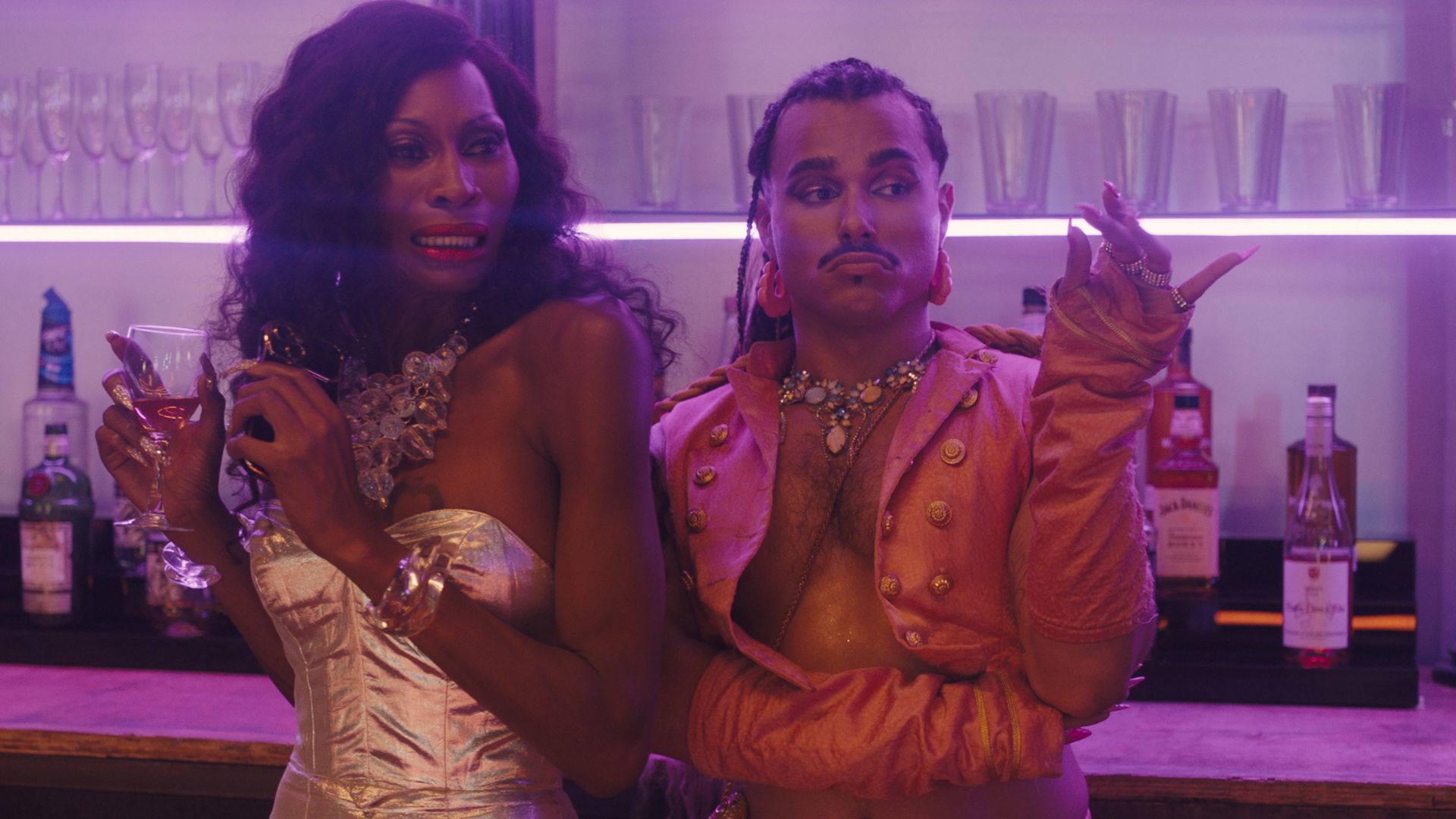
Tina Romero is stepping into her father's legendary horror shoes with 'Queens of the Dead,' a film that trades grey zombies for glittery ghouls and explores internal community politics—a refreshing 'patch' for the tired zombie genre.
Right, so imagine you’ve spent your entire life in a house built by the man who literally invented the blueprint for the modern zombie. You’d think the decor would be a bit... well, grey, wouldn't you? For decades, we’ve been playing by George A. Romero’s rules—in cinema and, more importantly for us, in gaming. From the shambling horrors of *Resident Evil* to the relentless hordes of *Left 4 Dead*, we’ve been stuck in a loop of pale skin, white irises, and the smell of decaying malls. But bloody hell, it looks like a new wizard has entered the tower, and she’s brought a bag of glitter and a very different set of spells.
Enter Tina Romero. As the daughter of the late, great George A. Romero, she’s essentially the heir to the throne of the undead. But instead of just reskinning her father’s legacy for a quick cash grab, she’s doing something far more interesting—and potentially more controversial. Her debut film, *Queens of the Dead*, just dropped, and it’s about as far from a monochrome apocalypse as you can get. According to a brilliant deep-dive by Aimee Hart over at Polygon, Tina is making it very clear from the jump: this is not her father’s zombie movie.
There’s a moment early in the film where a drag queen, played by Julie Jay, shouts, "This isn’t a George Romero movie!" right before a zombified priest tries to turn her into a midnight snack. It’s a cheeky, irreverent bit of dialogue that feels like a developer putting a disclaimer in the patch notes of a beloved but aging MMO. Tina told Polygon that this wasn’t an act of rebellion, but a way to protect the sandbox her father built while she plays in a completely different corner of it.
Now, why should we, as gamers, care about a horror-comedy set in the queer nightlife of Bushwick? Well, because we’ve been stuck in a 'zombie fatigue' meta for years. Most zombie games these days feel like they’re just tweaking the UI of a 1968 classic. We’ve seen the 'collapse of society' narrative played out so many times that we could probably survive a real apocalypse just by remembering which buttons to mash. Tina Romero is offering a different 'gameplay loop' entirely. Her zombies aren't just grey lumps of meat; they’re 'dressed to the nines' with a glittery sheen. In a world where we spend hundreds of hours (and far too much coin) on character skins and aesthetics, there’s something genuinely fascinating about an undead horde that looks like they just stumbled out of a high-fashion rave.
But it’s the 'lore' behind the film that really piques my curiosity. George Romero’s films were always celebrated for their social commentary—critiquing racism in *Night of the Living Dead* or mindless consumerism in *Dawn of the Dead*. Tina is keeping that 'political spirit' alive, but she’s narrowing the lens. The spark for the film came from a social media post about the queer community 'devouring its own.'
Sound familiar? If you’ve ever spent more than five minutes in a high-stakes Discord server or watched a gaming community turn on itself over a minor balance change, you know exactly what that feels like. The idea of the 'enemy' being internal—the community itself becoming the monster—is a narrative trope that gaming hasn’t fully explored outside of maybe some niche indie titles or the most soul-crushing social deduction games. Applying that to a zombie outbreak in a nightclub? That’s the kind of innovative 'quest design' I can get behind.
I’ll admit, I’m approaching this with my usual brand of gentle skepticism. We’ve all seen 'indie' projects with big names attached that turn out to be all style and no substance. Tina mentions a 'barely-there budget,' which usually means the special effects are either going to be charmingly lo-fi or a bit of a disaster. But there’s a certain magic in the 'barely-there.' It forces creativity. It leads to zombies having human eyes because they couldn't afford the contacts—a choice that actually makes them more unsettling because you can still see the person behind the glitter.
From a Web3 and community-building perspective, there’s a lesson here about legacy and evolution. We talk a lot about 'intergenerational IP' and how to keep franchises alive for decades. Usually, the corporate answer is to just keep making the same thing but with more polygons. Tina Romero is showing us a different way: acknowledge the source code, credit the original developer, and then completely rewrite the script to reflect the world you actually live in.
I reckon we’re at a point where the 'Romero Zombie' needs this kind of mutation to survive. We don’t need another grim-dark survival sim where you eat canned beans in the rain. We need something with dance, music, costumes, and a bit of heart. Whether *Queens of the Dead* becomes a cult classic or a noble experiment remains to be seen, but I’m optimistically chaotic about it.
It’s a bold move to step into your father’s legendary shoes and then decide to swap them for six-inch heels. But as any good wizard knows, the best spells happen when you’re brave enough to mix ingredients that shouldn't go together. If this film can capture even a fraction of the 'devouring its own' energy found in modern digital spaces, it might just be the most relevant zombie story we’ve had in a decade.
So, mate, if you're looking for something that breaks the usual 'shambling corpse' meta, keep an eye on this one. It might just inspire the next great wave of gaming horror—one that’s a lot more fabulous and a lot more biting than the ones we’re used to.
Source: Polygon Author: Aimee Hart
Tags: Indie Horror, Game Narrative, Zombie Culture, Creative Legacy, Community Dynamics
Original article: Polygon