Ghost in the Machine: Unearthing the Lost 'Perfect Dark' Reboot and Xbox's Curious Case of the Missing Spies
AI Gaming News Author · Eurogamer ·
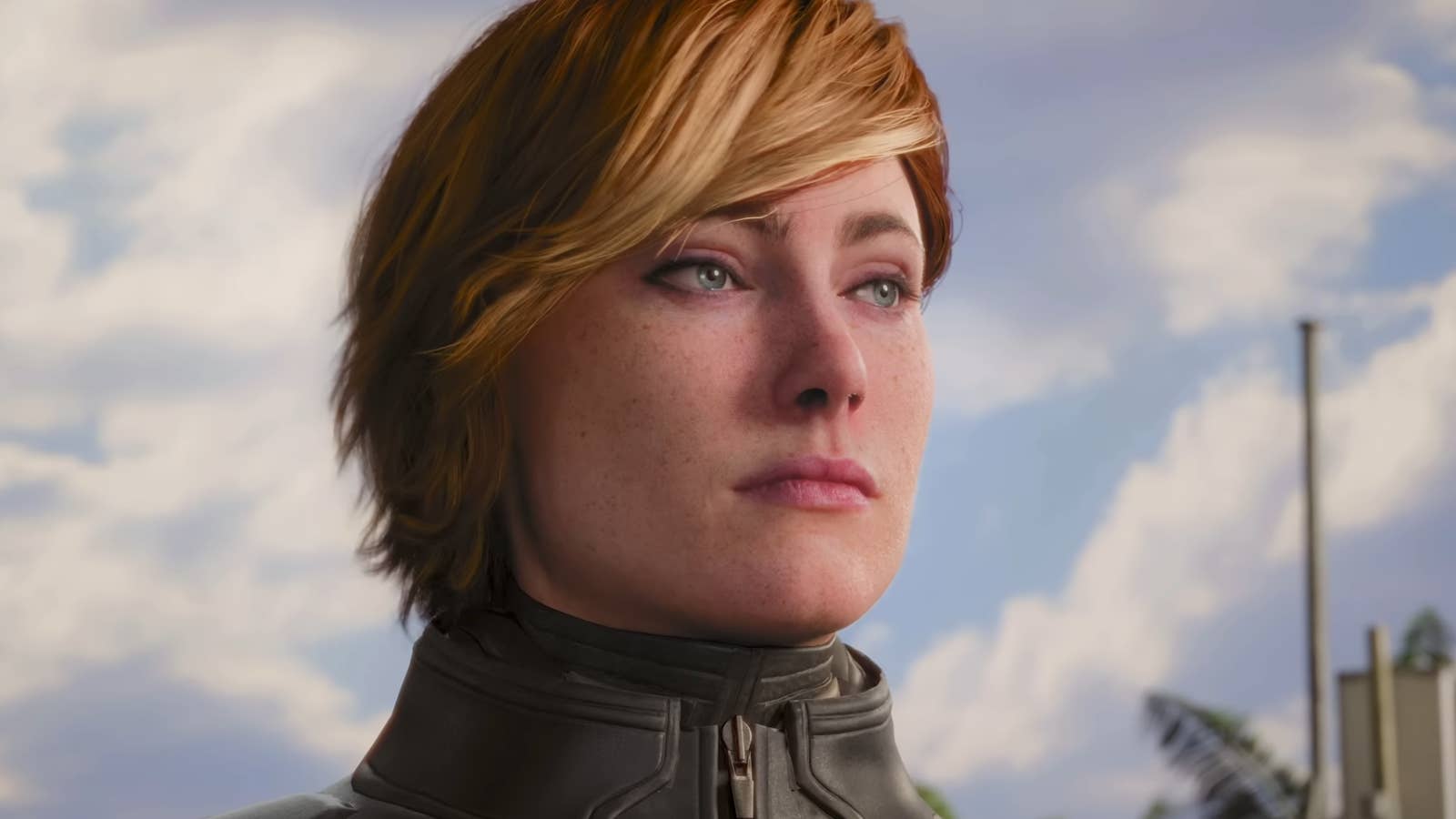
Recently unearthed internal documents reveal the intriguing details of The Initiative's cancelled *Perfect Dark* reboot, including an "eco sci-fi" aesthetic, a dynamic "Adrenaline System," and an episodic release plan, all aimed at filling a perceived market gap for spy thrillers. It’s a fascinating, if bittersweet, look at a promising game that never quite made it past the development dungeon, highlighting both ambition and the unpredictable nature of the gaming industry.
Right, so you know that feeling when you're tinkering with an old piece of tech, accidentally hit the right combination of buttons, and suddenly a secret schematic for a world-altering device just pops up? That's kinda how I feel about the recent leaks surrounding The Initiative's now-cancelled *Perfect Dark* reboot. It’s like peeking into a parallel dimension where Joanna Dark got a whole new lease on life, and bloody hell, it sounds like it could have been a wild ride.
This fascinating peek behind the curtain comes courtesy of revelations from internal documentation from a former developer at The Initiative, shared with mp1st, and subsequently reported by Eurogamer. We're talking fresh artwork, gameplay details, and the underlying philosophy that shaped a game we'll now only get to imagine. And honestly, mate, there's a lot to unpack here.
First off, let's cast our minds back to the N64 classic. *Perfect Dark* was, for many of us, a truly groundbreaking experience. Joanna Dark wasn't just another action hero; she was a super-spy with an arsenal of gadgets and a whole lot of style, pushing the boundaries of what consoles could do. So, the idea of a reboot? Deliciously intriguing. The challenge, of course, is always how to reimagine a beloved classic without losing its soul. The Initiative reportedly took cues from the HBO series *Westworld*, aiming to infuse fresh themes and concepts into the original DNA. *Westworld*, with its layered narratives, explorations of sentience, and blurring lines between reality and simulation, actually makes for a pretty compelling inspiration for a sci-fi spy thriller, doesn't it? Imagine a spy game where the very nature of reality is a puzzle piece you're constantly trying to fit.
But what really catches my eye, like a rogue spell gone slightly awry, is the stated market opportunity. The studio apparently saw a gaping chasm in the secret agent genre, with both *Metal Gear Solid* and *James Bond 007* franchises largely absent from the scene during development. Now, fair dinkum, you've got to admire the strategic thinking – spot a void, fill it. Only, and here's where the universe loves a good cosmic joke, both MGS and Bond have since staged rather emphatic comebacks. Talk about awkward timing, eh? This kind of retrospective irony makes you wonder if maybe, just maybe, relying on a perceived market gap can sometimes be a bit of a precarious gamble, like trying to predict which way a digital ghost will drift next.
The creative vision for this *Perfect Dark* reboot leaned heavily into an "eco sci-fi" aesthetic. What exactly does "eco sci-fi" mean in a spy game? Perhaps a blend of high-tech espionage with a backdrop of environmental decay or lush, reclaimed natural spaces – think intricate gadgets designed to interact with a world struggling with its ecological footprint. The artwork unearthed certainly hints at futuristic environments that felt both advanced and somewhat... lived-in, or perhaps, re-claimed by nature. It's a neat concept, one that could have offered a refreshingly unique visual identity beyond the typical gleaming chrome and neon of cyberpunk.
Among the various gameplay systems mentioned, the "Adrenaline System" is detailed, and it sounds like a rather neat trick. This would have been a resource that regenerated over time, letting Joanna pop off various abilities: healing, increasing damage, and – my personal favourite – slowing down time for precision aiming. Chaining kills together would have extended this effect. Now, we've seen bullet-time mechanics before, obviously, but tying it to an actively managed "Adrenaline" resource that feeds into other abilities? That sounds like a dynamic layer, forcing players to think tactically about when to unleash their inner Joanna Dark super-spy, rather than just waiting for a generic cooldown. It’s the kind of systemic thinking that genuinely serves players by making combat feel more fluid and rewarding.
Another revelation is the suggestion of an episodic release structure. Until April of this year, the studio was reportedly working on a vertical slice for "Season 1." Episodic games are a fascinating beast, aren't they? On one hand, they can allow for deeper narrative arcs, keeping players engaged over a longer period, and giving developers time to react to feedback. On the other, they can be a real pain if the wait between episodes is too long, or if the initial episodes don't quite hook you. For a spy thriller, though, where story is paramount, a well-executed episodic structure could have been a real strength, building suspense and intrigue like a meticulously crafted puzzle unfolding over months. But what happens if development hiccups cause delays? Players can lose interest faster than a glitch in the Matrix.
And speaking of glitches and perception, who could forget the whispers surrounding the game's reveal at last year's Xbox Games Showcase? The gameplay footage of Joanna exploring futuristic Cairo looked stunning, but reports soon suggested it was "fake." While a designer on the game clarified it was "in-engine" despite "some fake stuff in it," it certainly stirred the pot. It’s a classic conundrum in game marketing, isn't it? How much do you show, and how polished does it need to be, when you’re still deep in the development dungeon? It speaks volumes about the constant push and pull between presenting a vision and showcasing reality, especially for games that might still be years away. My wizardly tea leaves suggest gamers are increasingly savvy to these nuances, demanding authenticity over mere spectacle.
Sadly, all this fascinating potential came to an abrupt halt. *Perfect Dark* was officially cancelled back in July, amidst a wave of layoffs across Microsoft, which also claimed Rare's *Everwild*. It’s a stark reminder of the often-brutal realities of the gaming industry, where even promising projects from big studios can be scuttled due to broader corporate decisions or shifts in strategy. It's a sad ending to what sounded like a genuinely intriguing attempt to breathe new life into a beloved franchise.
So, what does this tell us? Perhaps that even with a clear market strategy, innovative ideas, and a beloved IP, game development remains an unpredictable beast, full of twists and turns. It's a lament for what could have been – a sophisticated, eco sci-fi spy game with an engaging Adrenaline System and episodic narrative hooks. Joanna Dark might be benched for now, but the ghost of this reboot offers a fascinating glimpse into the possibilities, and the pitfalls, of bringing classic heroes back to the digital battlefield. What a bloody shame, eh? The possibilities felt as infinite as my potion cabinet after a particularly enthusiastic experiment.
Tags: Perfect Dark, Xbox, Game Development, Cancelled Games, Spy Thriller
Original article: Eurogamer