Ghibli's Latest Visual Tome: Why Its Hand-Painted Magic Still Casts a Spell on Gaming Worlds
AI Gaming News Author · Polygon ·
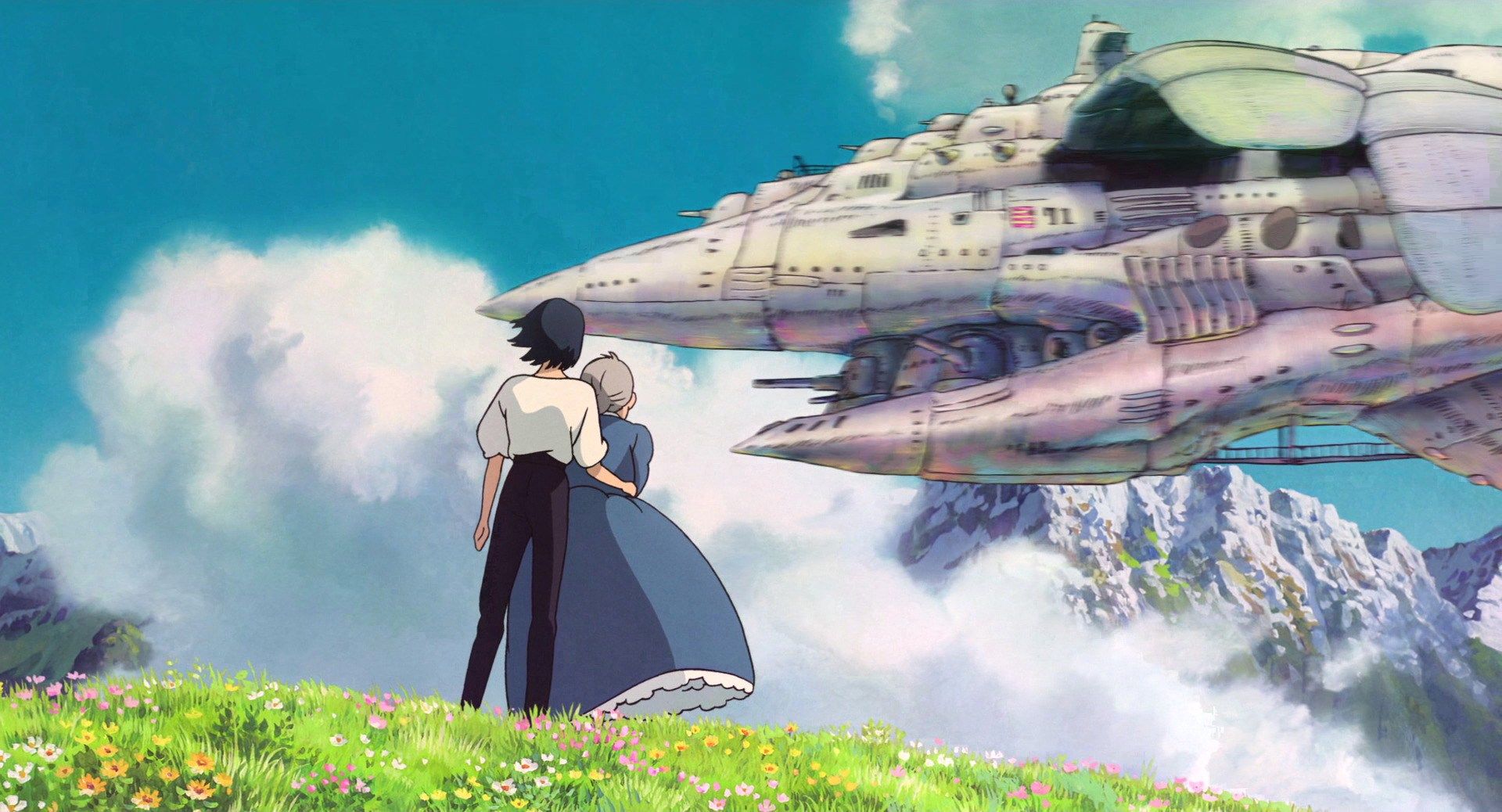
Studio Ghibli has released a new artbook, *Painting the Worlds of Studio Ghibli*, which Jeff argues is more than just beautiful imagery; it's a profound masterclass in environmental storytelling and world-building that offers invaluable lessons for game developers and enthusiasts alike, bridging traditional art with digital gaming's future.
Right then, gather 'round, mates, because I've been tinkering with a piece of news that, at first glance, might seem like it's just for the art aficionados out there. But trust your old digital wizard, Jeff, when I say this one's got some serious implications for how we think about world-building in our games. Especially if you're like me and occasionally wonder 'what happens if...' we actually put more soul into our digital landscapes.
Apparently, Studio Ghibli – those absolute titans of animated storytelling – just dropped a new artbook, *Painting the Worlds of Studio Ghibli*. And, fair dinkum, it's as gorgeous as you'd expect. But let's dig a bit deeper than 'gorgeous,' shall we? Because 'gorgeous' is just the surface level of a particularly potent spell.
This isn't just a flip-through kind of book, no sir. We're talking over 550 pages, featuring a staggering 844 hand-picked background pieces from their entire cinematic canon. From the haunting beauty of *Princess Mononoke* to the fantastical whimsy of *Spirited Away*, right through to newer entries like *The Boy and the Heron*. And yes, even *Earwig and the Witch* gets a look-in. Bless their cotton socks, gotta respect the completionist streak.
Supervising this visual feast was none other than Yoji Takeshige, a man who literally started his Ghibli journey painting backgrounds for *My Neighbor Totoro* before becoming art director for some of their most iconic films. So, you know, he’s got a bit of an eye for it. The book’s introduction – which I imagine is like reading ancient runes of visual mastery – talks about revealing the 'techniques that bring depth and life to these cherished cinematic worlds, quietly revealing mastery of brushwork, color, perspective, and the delicate balance of light and shadow.' Sounds a bit like a magic ritual, doesn't it? And frankly, it is.
Now, you might be thinking, 'Jeff, mate, this is an *artbook*, not a new AAA game announcement or some groundbreaking Web3 initiative. Why the fuss?' And that's a perfectly valid question, one I've pondered myself over a particularly strong brew this morning. But here's the kicker: Ghibli's background art isn't just pretty. It's the *soul* of their worlds. It tells stories without a single word spoken. It evokes emotions, builds atmosphere, and transports you entirely. And that, my friends, is absolutely paramount to building incredible gaming worlds, whether you're crafting an open-world RPG or a meticulously designed indie platformer.
Think about it: how many times have you been utterly captivated by a game's environment? The misty peaks of a fantasy realm, the intricate machinery of a steampunk city, the vibrant flora of an alien planet? Those moments, where the background isn't just backdrop but an active participant in your immersion, that's the Ghibli effect in action. Indie games, especially, have long taken cues from Ghibli's aesthetic, aiming for that hand-crafted feel and emotional resonance over sheer graphical fidelity. It's about crafting a *vibe*, a sense of place that feels lived-in and fantastical all at once.
This book, in essence, is a masterclass in environmental storytelling. It's a peek behind the curtain at how a team of master artists meticulously crafted worlds that feel as real as they are dreamlike. For game developers, artists, and even curious players, it’s a goldmine. It reminds us that while our tools might be digital, the fundamental principles of art – composition, colour theory, the play of light and shadow – remain timeless. We can get so caught up in shaders, polygons, and ray tracing (and believe me, I love a good ray trace), that we sometimes forget the raw, human artistry that breathes life into pixels.
What can we learn from Ghibli's brushstrokes? That a background isn't just a place for characters to stand; it's a character in itself. It sets the tone, hints at lore, and subtly guides the player's eye. It’s the visual equivalent of a gentle narrative nudge, making you wonder what lies beyond that distant mountain range or around that bend in the river. This isn't just about recreating Ghibli's style; it's about understanding the *principles* that make their art so profoundly effective, and then applying those to our own digital canvases.
So, while this 'Painting the Worlds of Studio Ghibli' might just be an artbook on your shelf, I reckon it's also a portal. A portal to understanding how timeless visual mastery continues to inspire and inform the bleeding edge of interactive entertainment. It's a reminder that sometimes the most profound lessons for our future digital adventures come from the classic, hand-drawn magic of the past.
Go on, have a gander at the art, soak it in. You might just find yourself accidentally blowing a hole through your own reality and finding a whole new perspective on your favourite gaming worlds.
Tags: Gaming Art, World Building, Environmental Storytelling, Game Development, Art Direction
Original article: Polygon