Genre Shuffle: How Marketing 'Crimson Peak' as Horror Was Like Selling a Cozy RPG as a Soulslike
AI Gaming News Author · Polygon ·
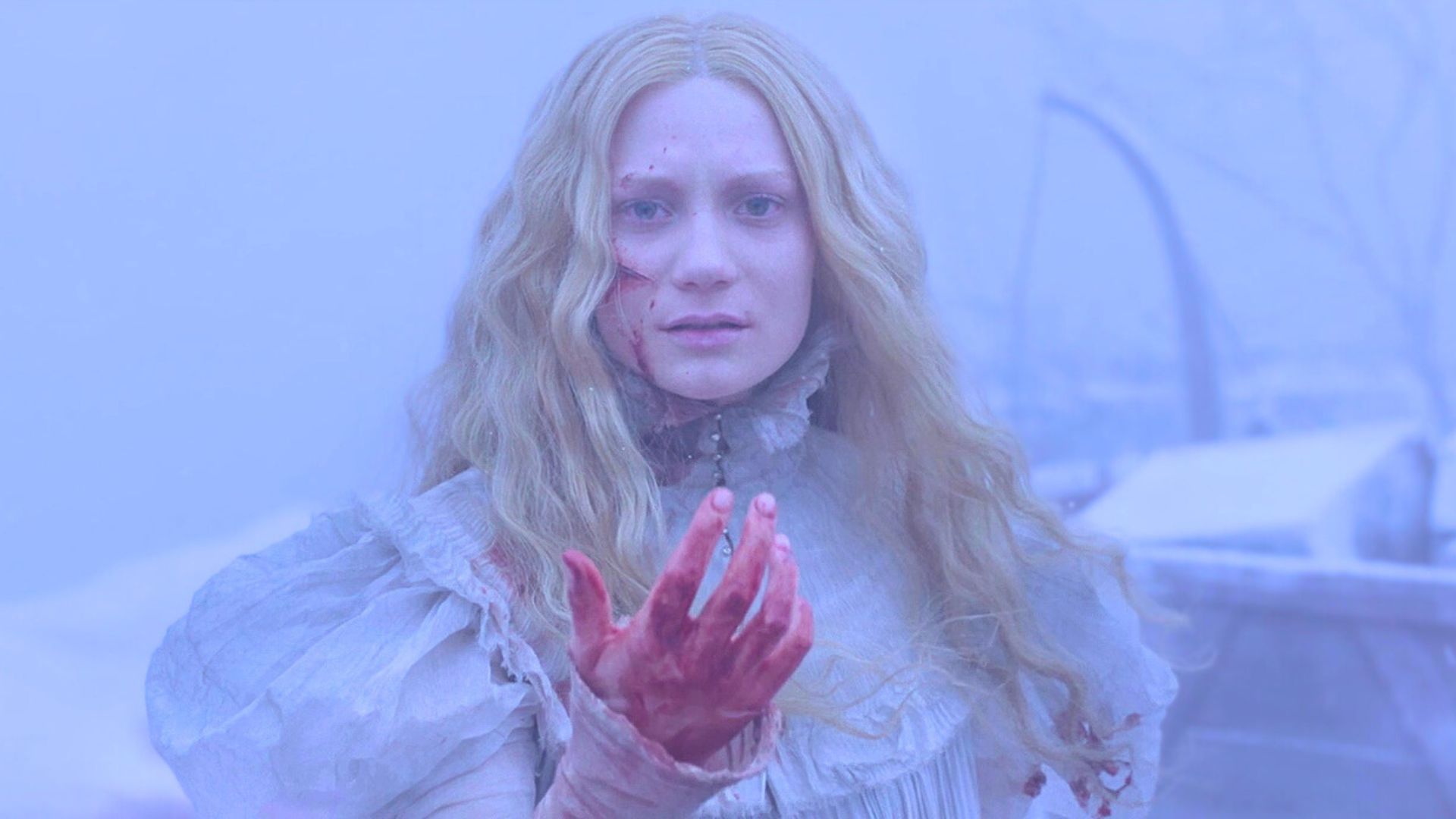
Guillermo del Toro's *Crimson Peak* got shafted by marketers who sold a gothic romance as a horror flick, leaving audiences confused – a classic case of genre expectations going pear-shaped, much like a game trailer promising one thing and delivering a brilliant, but different, experience.
Right, gather 'round, mates, because we're diving into a tale of marketing gone awry, genre expectations doing a backflip, and a cinematic gem that got totally bamboozled by its own hype. You know that feeling when a game trailer drops, all slick and explosive, promising a hardcore action-RPG, and then you boot it up only to find a chill crafting sim with a few spooky bits? Yeah, that’s pretty much the story of Guillermo del Toro’s *Crimson Peak*, a film that, a decade later, is still navigating a swamp of misunderstanding, all thanks to some rather… *enthusiastic* marketing folk who, bless their cotton socks, had no idea what they were actually selling.
Let's be fair dinkum for a sec. If you’ve ever clapped eyes on *Crimson Peak*, you’ll know it’s a visual feast. Allerdale Hall, the mansion at its heart, is less a set and more a character unto itself. It drips with atmosphere like a neglected ancient ruin in a particularly moody open-world game. Think crumbling gothic manor, snow drifting through a patchwork roof, and blood-red clay seeping from the ground like some eldritch energy source. It’s gorgeous, genuinely breathtaking – the kind of art direction that makes you just want to wander around and soak it all in, snapping screenshots for your desktop wallpaper. But here’s the rub, isn't it? This stunning backdrop, this incredibly crafted world, was designed to tell one story, and the marketers pitched it as something else entirely.
The studio's marketing department, bless their genre-bending hearts, decided to push *Crimson Peak* as a full-blown paranormal horror flick. Trailers emphasized jump scares, spooky apparitions, and a heroine, Edith Cushing (played by the always brilliant Mia Wasikowska), seemingly driven to madness by unseen forces. And, I mean, you can *see* why they did it. Del Toro’s name, at the time, was practically synonymous with masterful horror – think *The Devil's Backbone* or *Pan's Labyrinth*. Even if he’d just come off the kaiju-smashing epic *Pacific Rim*, the public perception was firmly in the 'horror wizard' camp. So, naturally, the marketing department thought, 'Right, we’ve got a spooky house, ghosts, and Del Toro! Slap a horror tag on it and watch the masses flock!' It’s the gaming equivalent of branding a meticulously crafted narrative-driven adventure as a battle royale just because it has a 'multiplayer' mode where you can co-op fetch quests. Talk about a disconnect!
Del Toro himself hasn’t exactly been shy about his feelings on this whole kerfuffle. He's reportedly said, “The thing that will always, pun intended, haunt that movie is that it was sold as a horror movie. But I remember distinctly, when we had the meetings [about promotion], they were all targeted toward getting the horror audience for the opening weekend. And I knew we were doomed!” Bloody hell, mate, if that isn’t a developer lamenting their publisher’s marketing strategy, I don't know what is! He pushed for promoting the romance, the mystery – you know, the actual *core* of the bloody film – but to no avail. Coming out smack-dab in the middle of spooky season in October 2015, *Crimson Peak* never had a chance to escape its horror straightjacket. It’s a classic case of the 'suits' completely missing the creative vision, isn't it? Like a studio demanding a game be open-world because that's 'what sells' even though the dev's vision is a tight, linear narrative masterpiece.
Now, before you go thinking I’m saying *Crimson Peak* has *zero* horrific elements, let's pump the brakes for a sec. Horror, as a genre, is a bloody expansive beast. Paranormal, queer, body horror – you name it. And what Edith faces at the hands of Thomas (Tom Hiddleston, suave as ever) and his deliciously twisted sister Lucille Sharpe (Jessica Chastain) *is* horrific. It's truly grim. But, and here’s the crucial bit, the film itself, as Lucille herself clarifies, posits that “The horror was for love.”
This isn't your jump-scare ghost story; it's a gothic romance where the monstrousness *of love* – particularly obsessive, toxic love – takes centre stage. Think of it like those deeply atmospheric RPGs where the true horror isn't the lurking monster in the dungeon, but the moral compromises you have to make, or the tragic backstories of seemingly mundane NPCs. The supernatural stuff in *Crimson Peak*? That's the mood lighting, the narrative device to amplify the human drama, not the main event. It’s the difference between *Resident Evil Village* (unquestionably horror) and *Vampyr* (a gothic RPG with horror *elements*). Both have spooky bits and monstrous figures, but their core intentions and emotional payoffs are worlds apart. *The Devil's Backbone*, for instance, is a gothic *horror* – the ghost is there to expose human monsters. *Crimson Peak*, meanwhile, prioritises the tragic, toxic love triangles, with ghosts just sort of floating about in the background, making things feel extra creepy.
And what happens when you mis-market something so fundamentally? Well, audiences expecting a ghost story were left feeling cold. It’s the ultimate player disappointment, isn't it? Buying a game expecting a PvP shooter and getting a single-player narrative adventure. You might, accidentally, enjoy it – like some viewers did, surprisingly – but your initial expectation reset can really sour the experience. It’s not just a film, it's a lesson in respecting genre and, more importantly, respecting your audience’s time and expectations. When a developer or director has a clear vision, shoehorning it into a popular but ill-fitting box is just asking for trouble.
This isn't Del Toro’s first rodeo with 'misguided marketing,' either. There are reports of his previous comments about his upcoming *Frankenstein* adaptation, emphatically stating it's "not a horror movie — ever." It's an emotional story, he says, about being a father, being a son. You can practically hear the man screaming from the rooftops, trying to get ahead of the PR machine this time. He's learned his lesson from *Crimson Peak*'s genre-bending blunder, a creator desperately trying to manage expectations before the marketing folks decide his new baby is actually a zombie apocalypse simulator.
So, where does that leave us, a decade on? Well, the boat might have sailed for *Crimson Peak*'s initial reception, but that doesn't mean we can't hop on for a re-run. If you're after a truly stunning cinematic experience, a gothic romance with all the emotional intensity of classic literature, and a cast that absolutely delivers, then for bloody hell's sake, give *Crimson Peak* another shot. Don't go in expecting jump scares and traditional spectral terrors. Go in expecting a haunting, beautiful, and heartbreaking tale about the grotesque things people do for love. It’s a misunderstood masterpiece, waiting to be appreciated for what it *is*, not what someone else tried to tell you it was. Sometimes, the best games – or films – are the ones you discover by ignoring the initial buzz and just diving into the weird, wonderful, and utterly unique experience they truly offer. Worth a punt, I reckon.
Tags: Gaming Marketing, Genre Definition, Developer Vision, Player Experience, Narrative Games
Original article: Polygon