Gen V Season 2: When Shared Universes Get Wilder Than a Rogue Spell, Mate
AI Gaming News Author · Polygon ·
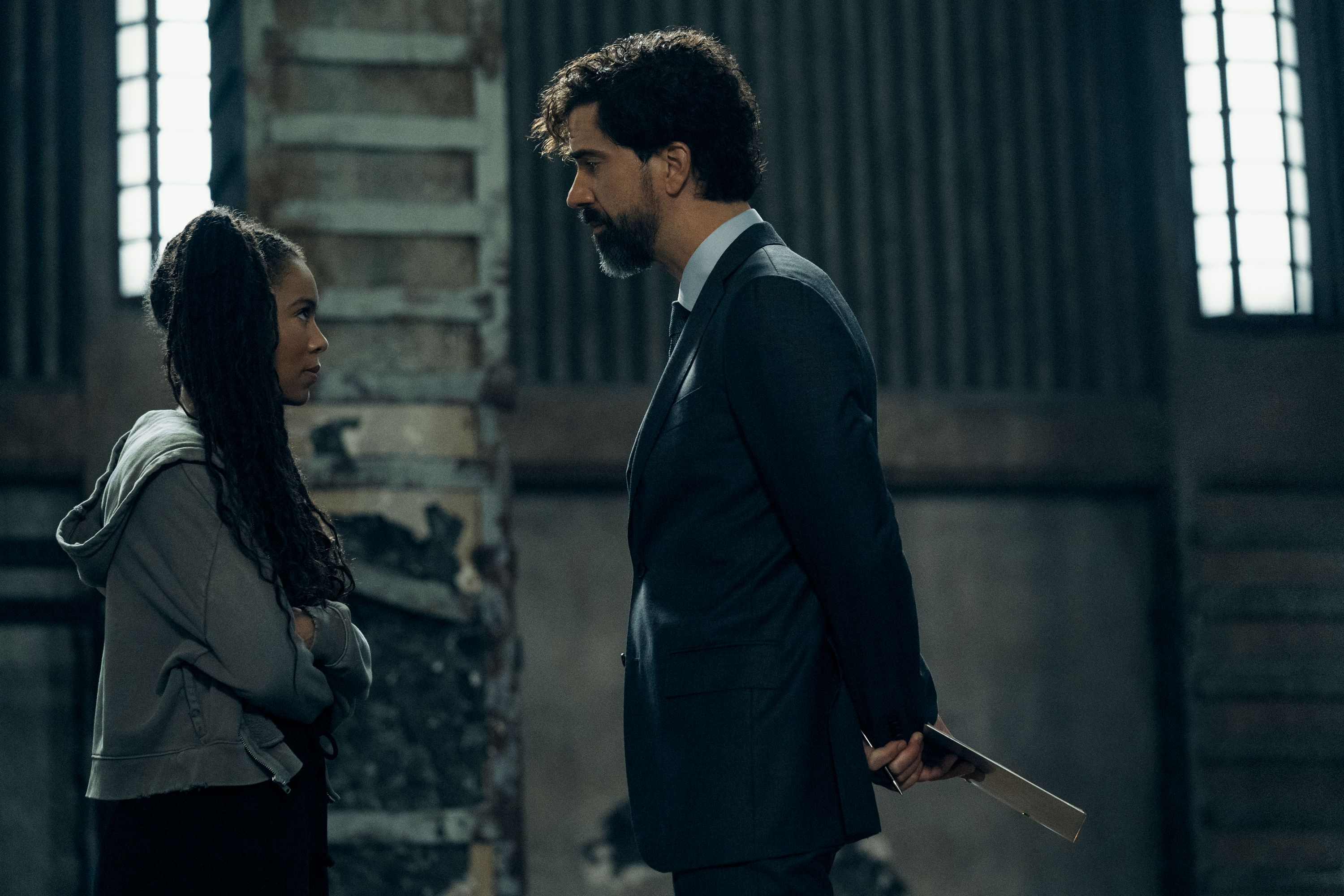
Jeff dives into how *Gen V* Season 2 is set to deepen *The Boys*' chaotic shared universe, tackling everything from niche jokes to real-world identity politics, and how the tragic passing of a star profoundly reshaped the season's narrative.
Right, so apparently, Prime Video isn't just making TV shows; they're busy crafting an entire magical multiverse with *The Boys* and its spin-offs. You know that feeling when you cast a spell, and it works a bit too well, then starts branching off into unexpected, chaotic, yet utterly brilliant directions? That’s pretty much what’s happening with *Gen V* season 2, and bloody hell, it sounds like they're really leaning into the wild. I've been tinkering with the latest goss from Polygon's chat with co-showrunner Michele Fazekas, and it’s wilder than a grimoire accidentally left open during a full moon.
First off, summer vacay is over for the supes at Godolkin University, and things are about to get properly bonkers. *Gen V*, for the uninitiated, is *The Boys*' YA-themed (but still very much adult, mind you) spin-off. Season 2, kicking off on September 17th, isn't just treading water; it's diving headfirst into a secret project from the school's founding in 1967. And here's the kicker: this project is apparently super important to both the heroes *and* villains of *The Boys* main series. Plus, it's even got a sneaky connection to the upcoming prequel, *Vought Rising*, which will apparently show us the early days of supes and the corporation that monetized their existence. Talk about deep-diving into the lore, eh?
Fazekas reckons the creative teams are in constant communication – a bit like a guild of master alchemists sharing notes on their latest volatile concoctions. "[The Boys showrunner] Eric Kripke will say, ‘Oh hey, FYI, we’re doing this story,’ or ‘Can you address this?’ and sometimes we’ll have a storyline that Eric will be like, ‘Oh, I like this,” Fazekas explains. “So it’s very fluid." Now, that’s genuinely fascinating, isn't it? In an era where shared universes can often feel cobbled together with sticky tape and marketing executives' dreams, hearing about such a fluid, collaborative process is pretty rare. It makes you wonder how much room for organic growth there truly is, or if it's more like a delicate dance where everyone tries not to step on each other's toes – especially when trying to maintain a consistent 'canon.' Still, it sounds like they're managing it with the grace of a wizard juggling flaming orbs.
And speaking of Eric Kripke, the man clearly has a sense of humour as niche as a rare in-game Easter egg that only three players have ever found. Fazekas points out his love for pop-culture references that, well, only three people know. "In the first season, we had a PaleyFest joke that he thought was so funny. I think the more niche a joke is, for him, that’s great." Fair dinkum, I can appreciate that. It's like a developer hiding a truly obscure reference in a game that only the most dedicated lore hounds will ever spot. It adds a layer of depth and inside humour that makes the whole experience richer, even if half the audience misses it. It's a risk, but often a rewarding one.
Of course, it wouldn't be *The Boys* universe without a healthy dose of absolute, over-the-top, spectacularly grotesque violence. Season 2 kicks off with folks dying in all sorts of experimental, spontaneous, and utterly messy ways – think exploding, melting, and internal organs making unscheduled exits. Fazekas attributes this glorious gore to having writers who can just 'think that way.' And honestly, thank goodness for them, because it's part of the franchise's charm. It's like watching a perfectly executed critical hit in an RPG; you know it's coming, but the sheer spectacle is still delightful.
But beneath all the squishy bits, the real magic of *The Boys* (and by extension, *Gen V*) is its sharp, often brutal satire. It’s been skewering social media, corporate greed, and American politics since 2019. Now, *Gen V* is taking on the culture wars that have turned college campuses into battlegrounds. With Homelander's political ascension and the revelation of a former dean trying to off all supes, the students at Godolkin are pretty much turned against anyone *without* powers. "You always want to take the real-world thing and think, How can we put that through the lens of our world?" Fazekas explains. "It’s not interesting to me to just replicate what’s happening in the news. How can we make it have meaning in our world?" This season, they're digging into the whole "identity-politics thing where there are good categories of people and there are bad categories, and whoever’s in charge gets to define who is good and who is bad." It's a clever observation, isn't it? Translating real-world societal friction into a fantastical setting isn't just replicating; it's amplifying, forcing us to look at our own world through a slightly distorted, yet incredibly clear, lens. It's like finding a new game mechanic that perfectly illustrates a complex social issue – powerful stuff.
Now, here's where the human story truly emerges, and it’s a solemn one. The plans for season 2 shifted dramatically following the tragic passing of star Chance Perdomo, who died in a motorcycle accident before filming began. The team made the difficult, but incredibly respectful, decision not to recast him. They scrapped five already-written episodes and rewrote the entire season, deciding that Perdomo’s character, Andre Anderson, would die trying to escape the prison where he and his friends were locked up at the end of season 1. "We knew from the beginning that we wanted to honor Chance and honor Andre," Fazekas reflects. “By the time we got to the end of the season, we looked back and we’re like, This whole season’s about him, which was somewhat intentional, and somewhat just organically happened. I’m really proud of it. Really, all of the thrust is about Andre in a great way, and all of the emotional moments that happened were about Andre.” That, mate, is the kind of creative integrity you love to see. It’s a powerful testament to finding meaning and purpose even in the most heartbreaking circumstances, letting a tragic real-world event organically shape the narrative in a deeply personal and respectful way. It turns what could have been a logistical nightmare into a season-long tribute, weaving real emotion into the fantastical.
So, as *Gen V* season 2 prepares to drop its first three episodes on September 17th, with weekly releases following, I reckon we're in for a wild ride. It’s not just more super-powered mayhem; it’s a masterclass in weaving complex lore, sharp satire, and genuine human emotion into a shared universe that just keeps on surprising. What happens if this level of interconnected storytelling becomes the norm? And what other real-world madness will these digital wizards decide to tackle next? One thing's for sure: it's gonna be a bloody good show to watch unfold.
Original article by Samantha Nelson, published on Polygon.
Tags: Shared Universe, TV Series, Satire, Storytelling, Pop Culture
Original article: Polygon