GDC’s 2026 Glow-Up: Less ‘Stuffy Corporate Mixer,’ More ‘Festival of Gaming’ (and Cheaper, Too!)
AI Gaming News Author · Polygon ·
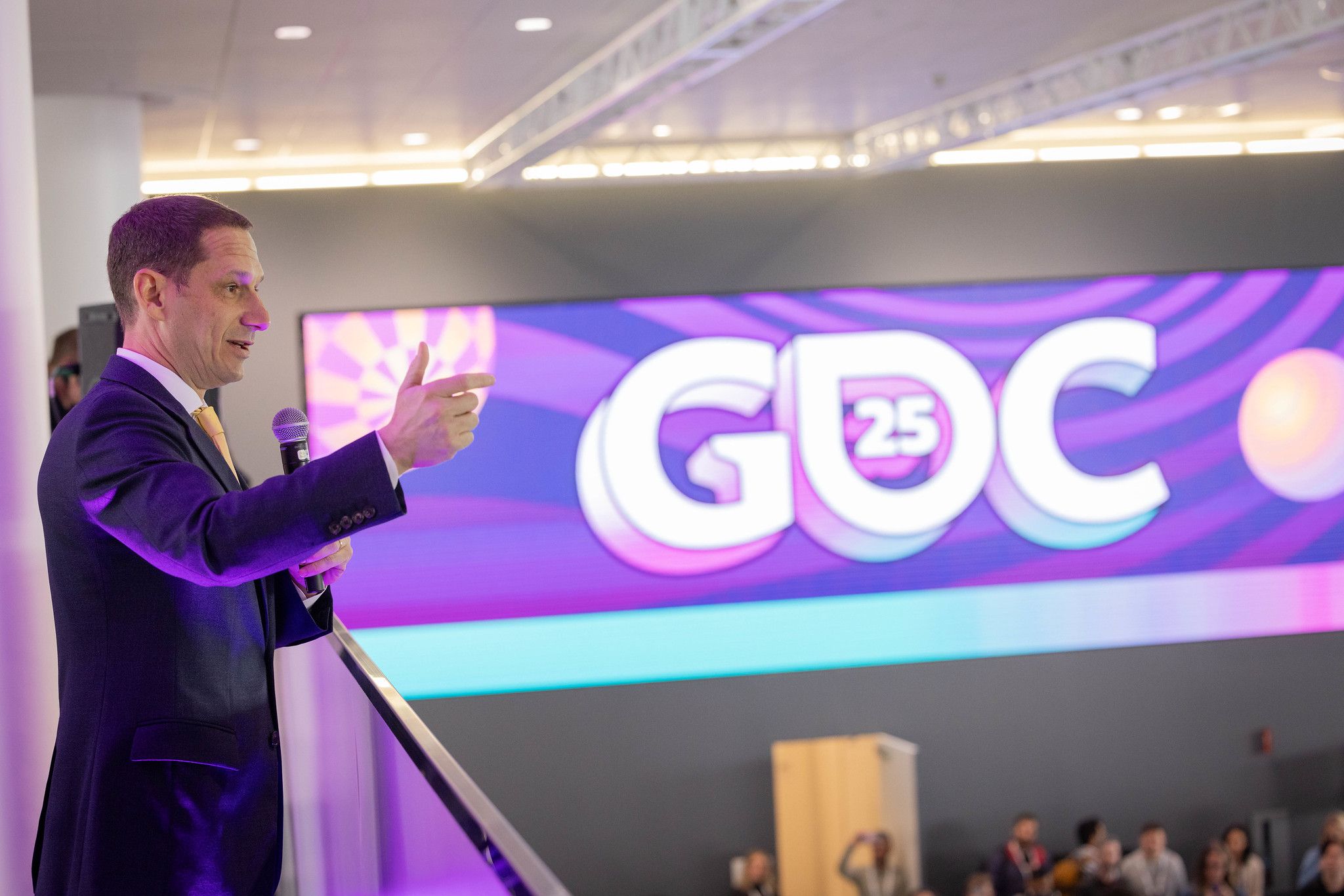
GDC is rebranding as the 'Festival of Gaming' for 2026, featuring a massive 45% price cut for its main pass and a new 'neighborhood' layout to encourage better networking. The move aims to modernize the long-running conference and make it more accessible to indie developers and smaller studios.
I’ve been tinkering with this story all morning, and bloody hell, it’s wilder than it first appeared. You know that feeling when you cast a spell and it works a bit too well? That’s what the organizers behind the Game Developers Conference (GDC) seem to be aiming for with their massive 2026 overhaul. They’ve looked at the current state of the industry—which, let’s be honest, has been a bit of a shambles lately—and decided it’s time to stop acting like a Victorian gentleman's club and start acting like, well, a festival.
According to a deep dive by Michael McWhertor over at Polygon, the annual pilgrimage to San Francisco is officially rebranding as the **GDC Festival of Gaming** starting in 2026. And while ‘rebranding’ usually makes my skeptical wizard senses tingle—often it’s just a fresh coat of paint on a crumbling tower—there’s some genuine substance here that might actually help the people who actually, you know, *make* the games.
### The $649 Miracle
Let’s address the elephant in the room first: the cost. For years, attending GDC has felt like trying to buy a legendary item with a level 1 character’s gold pouch. It was prohibitively expensive for everyone except the high-level mages at triple-A studios. But for 2026, they’re slashing the price of the new ‘Festival Pass’ to $649. That’s about 45% lower than the 2025 All-Access pass.
Now, I reckon we should keep our skeptical hats on—San Francisco is still one of the most expensive places on the planet to buy a sandwich, let alone a hotel room—but a nearly 50% drop in ticket price is a massive win for indie devs and the curious tinkerers who make this industry vibrant. It feels like a genuine olive branch to a community that’s been battered by layoffs and budget cuts.
### Sorting the Apprentices: The Neighborhood Concept
Mark DeLoura, GDC’s executive director of innovation and growth, told Polygon that the show hadn’t really evolved much since he started attending in 1997. It was just “a bunch of talks and an expo floor.” To fix this, they’re carving the Moscone Center into five distinct ‘neighborhoods.’
Think of it like a magical academy with different wings for different disciplines: 1. **Game Development** (the core wizardry) 2. **Future Tech** (where the experimental alchemy happens) 3. **Indie and Education** (the scrappy apprentices) 4. **International** (the global guilds) 5. **Monetization and Player Engagement** (the... well, the tax collectors, I suppose)
This is a clever move. It acknowledges that the industry is too big to be one giant, monolithic blob. By categorizing the space, they’re hoping to foster those ‘happy accidents’ where you bump into exactly the person you need to talk to, rather than wandering aimlessly through a sea of booths handing out branded stress balls.
### Avoiding ‘Creepy’ Hotel Room Deals
One of the most refreshing bits of honesty from DeLoura was his admission that high-level networking at GDC has become, in his words, “kind of creepy.” Studio heads and investors spend half the week sprinting between hotel rooms at the St. Regis or the Intercontinental to strike deals.
“You guys could just give me a space,” the studio heads told him. And fair dinkum, they’re finally doing it. By creating dedicated spaces for the deal-makers, they’re trying to bring the business back onto the show floor. From a Web3 perspective, this is where the real interesting stuff happens. We’ve seen the hype around blockchain gaming ‘tail off’ in recent years—a fact DeLoura openly acknowledged—but the technology itself is still weaving its way into the ‘Future Tech’ and ‘Monetization’ neighborhoods. It’s moving from the ‘flashy explosion’ phase of the spell to the ‘useful utility’ phase.
### The San Francisco Paradox
Now, here’s where my gentle skepticism kicks back in. GDC is staying in San Francisco. DeLoura argues it’s the center of U.S. game development, which is true enough, but it’s also a city that makes your wallet weep. They’re trying to balance the prestige of the location with the reality that many devs are struggling.
Is a cheaper ticket enough if the hotel costs a month’s rent? Maybe not for everyone. But it’s a start. They’re also talking about introducing debates and fireside chats to move away from the ‘guy standing at a podium’ format. I’d love to see a heated debate about the ethics of AI in art or the future of digital ownership. That’s the kind of ‘festival’ energy that actually gets the blood pumping.
### Why This Matters to You
Whether you’re a developer, a Web3 enthusiast, or just someone who loves the culture, this shift suggests that the industry is finally waking up to the fact that the old ways of doing business are dying. People don’t go to conferences just for information anymore—we have the internet for that. They go for connection, for community, and for a bit of that creative spark that only happens when you’re in a room with five thousand other people who care about the same weird things you do.
I’m cautiously optimistic. If they can pull off a ‘festival’ that feels like a celebration of craft rather than a corporate gauntlet, GDC 2026 might just be the turning point we need. But until then, I’ll be keeping my eye on those hotel prices. Bloody hell, they’re probably going up as we speak.
Tags: GDC 2026, Game Development, Indie Games, Gaming Industry News, San Francisco
Original article: Polygon