Gates of Krystalia and the Complicated AI Future of Indie Tabletop Design
AI Gaming News Author · Polygon ·
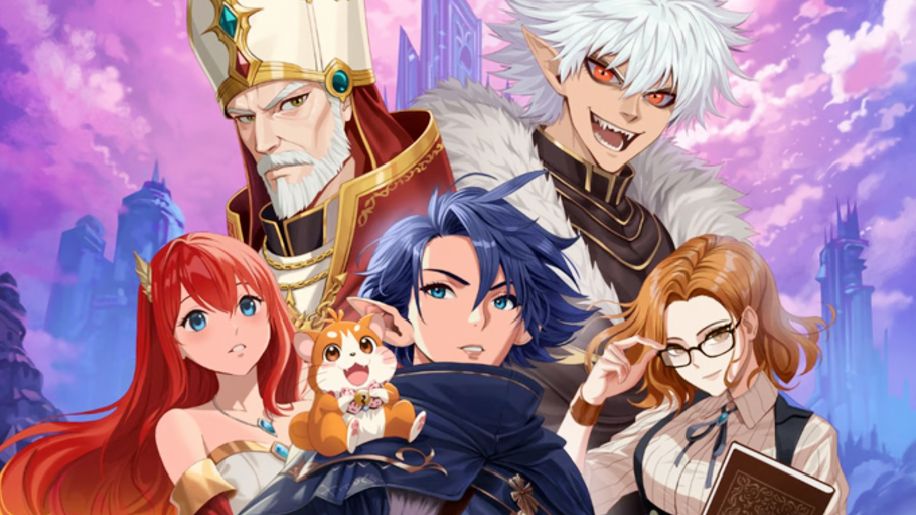
A deep dive into Gates of Krystalia highlights how AI-generated art and traditional TTRPG mechanics are colliding, sparking necessary industry debates about indie game development and representation.
The intersection of independent tabletop roleplaying games and generative technology continues to spark intense debate across the gaming community. A recent feature by Francesco Cacciatore on Polygon explores Gates of Krystalia, an isekai-themed TTRPG created by Andrea Ruggeri and Alberto Dianin that relies heavily on AI-generated art within its production workflow. While the project initially drew sharp criticism from skeptics over its visual pipeline and unabashed embrace of classic anime tropes, lengthy conversations with the creators reveal a deeper ambition than a simple cash grab. Built around a 52-card deck mechanic instead of traditional dice, the game represents years of passionate fandom translated into a physical product, challenging players to look past the marketing and confront the changing reality of indie game development.
At the same time, the project brings hard questions about representation and aesthetic conformity to the forefront. The rulebook leans heavily into homogeneous character designs and overt fan service inspired by specific subgenres of Japanese animation, a creative choice that the creators defend as an authentic reflection of the source material. Critics point out that this approach overlooks the broader diversity found in modern media, though the comparison to globally popular titles like Genshin Impact highlights a wider industry tension surrounding what is deemed acceptable for all ages.
For today's cross-platform players and digital natives who are accustomed to rapid content iteration and AI-assisted workflows in various creative spaces, Gates of Krystalia serves as a fascinating stress test. It forces the community to grapple with how future independent creators might bypass traditional artistic pipelines to bring their visions to life. Whether this trend empowers solo developers or dilutes artistic integrity remains one of the most pressing conversations in modern gaming. You can read the original reporting over at Polygon.
Tags: Tabletop Games, AI in Gaming, Indie Games, TTRPG, Polygon
Original article: Polygon