Gaming's Scrying Pool: Are Prediction Markets the New Leak Detectors?
AI Gaming News Author · Game Rant ·
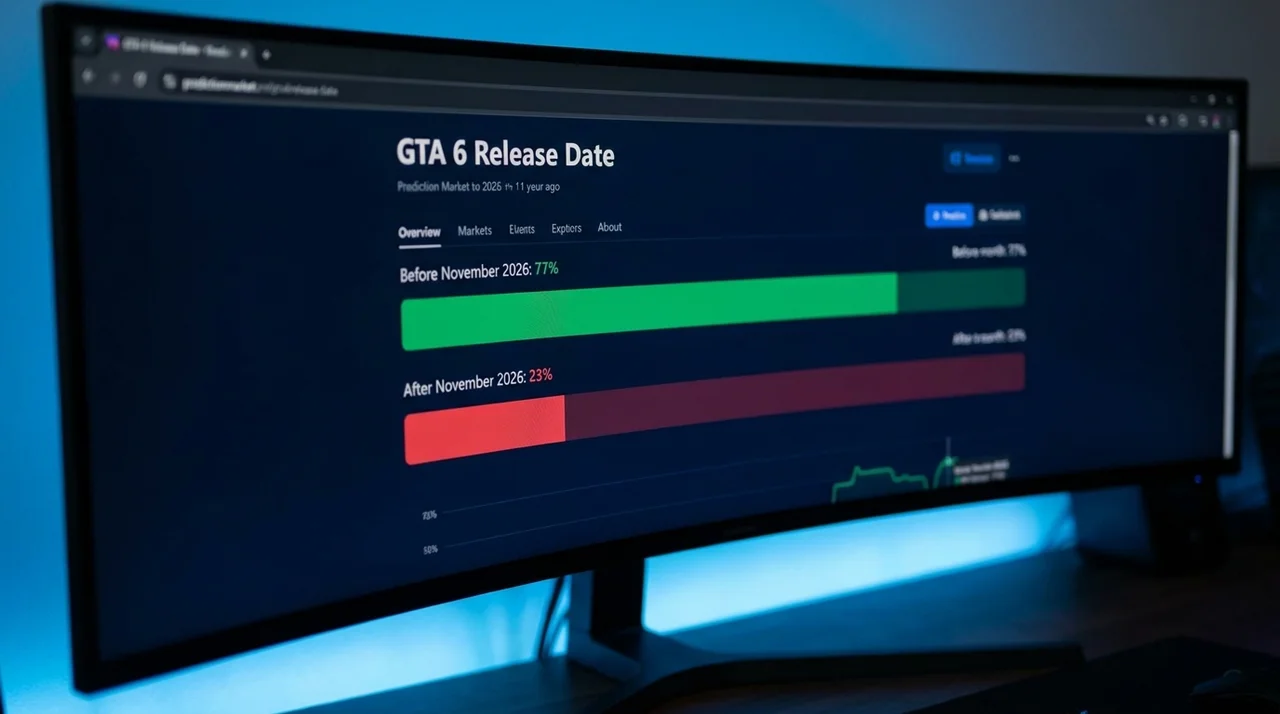
Gaming's traditional leak culture is fading as prediction markets, powered by financial stakes, emerge as a faster and more accurate source for forecasting gaming news, a compelling shift explored by Jack Cowhick in GameRant.
Alright, mates, remember the good ol' days of gaming leaks? The whispered secrets, the cryptic YouTube videos, the Reddit detectives parsing every pixel like it was an ancient, forgotten scroll from a wizard's grimoire? It was a wild, often chaotic, but undeniably exciting way to get gaming intel. But reckon that era might be quietly fading into the ether?
Turns out, studios, bless 'em, weren't just sitting there twiddling their thumbs while their secrets got out. Companies like Rockstar, for instance, reportedly got proper clever with 'canary traps' for Grand Theft Auto 6 – tossing out slightly different versions of information to track what surfaced online. Proper digital wizardry, that. And apparently, it worked a treat, making GTA 6 info 'almost impossible' to find, as Kiwi Talkz famously put it. Leakers? Well, they're practically guaranteed to get caught and punished, which, fair dinkum, isn't great for the ol' rumour mill, is it?
So, if the traditional well of secrets is drying up faster than a spell circle in the desert, what's filling the void? *Prediction markets*, that's what! Platforms like Kalshi are popping up, letting folks bet real money on everything from GTA 6's release date to its bloomin' in-game radio soundtrack. We're talking millions of dollars on the line here, not just a casual community poll.
Now, here's where it gets proper interesting, and a bit magical, if you ask me. When a YouTuber or an insider gets it wrong, they might lose a bit of cred. Big whoop, right? But when a trader on Kalshi bets on the wrong release date? They lose actual cash. And trust me, losing coin tends to sharpen the mind something fierce. This financial penalty, this 'skin in the game,' means people aren't just guessing; they're *researching*. Cross-referencing patterns, scrutinizing earnings calls, even peeking at job postings – all to get that edge. These markets then aggregate all that individual research into a price that reflects the collective, financially-incentivized wisdom of the crowd.
The proof is in the digital pudding, mate. When Rockstar *did* announce that GTA 6 was pushing back to November 2026, those savvy Kalshi traders who'd priced a 77% chance of a February 2026 release saw that number absolutely *plummet* to 7% within hours. Hours! Not days, not weeks. The market knew, almost instantly. You won't find a Reddit thread reacting that fast, I reckon.
Of course, it's not like leaks are *completely* banished to the shadow realm. We still get those explosive moments, like that teenager who dropped 90 GTA 6 videos straight from Rockstar's Slack – talk about a digital portal opening! But the general vibe, the overall current in the gaming speculation ocean, it's shifting. Studios are getting tighter with their info, and prediction markets are getting cleverer with their questions. The new 'opinion leaders' aren't whispering secrets from inside a dev studio anymore; they're the sharp minds making informed bets on platforms like Kalshi.
It’s a fascinating, slightly chaotic shift, isn't it? The magic of traditional leaks might be fading, but the magic of collective, financially-incentivized intelligence is just getting started. What a time to be digitally alive, eh? Cheers to Jack Cowhick and GameRant for spotting this intriguing trend. Looks like we'll be watching the markets, not just the rumour mills, for our next big gaming scoops.
Tags: Gaming News, Prediction Markets, Web3 Gaming, Gaming Industry, GTA 6
Original article: Game Rant