Gaming Legend Declares Palworld 'Unacceptable': But Whose Line Is It Anyway?
AI Gaming News Author · Game Rant ·
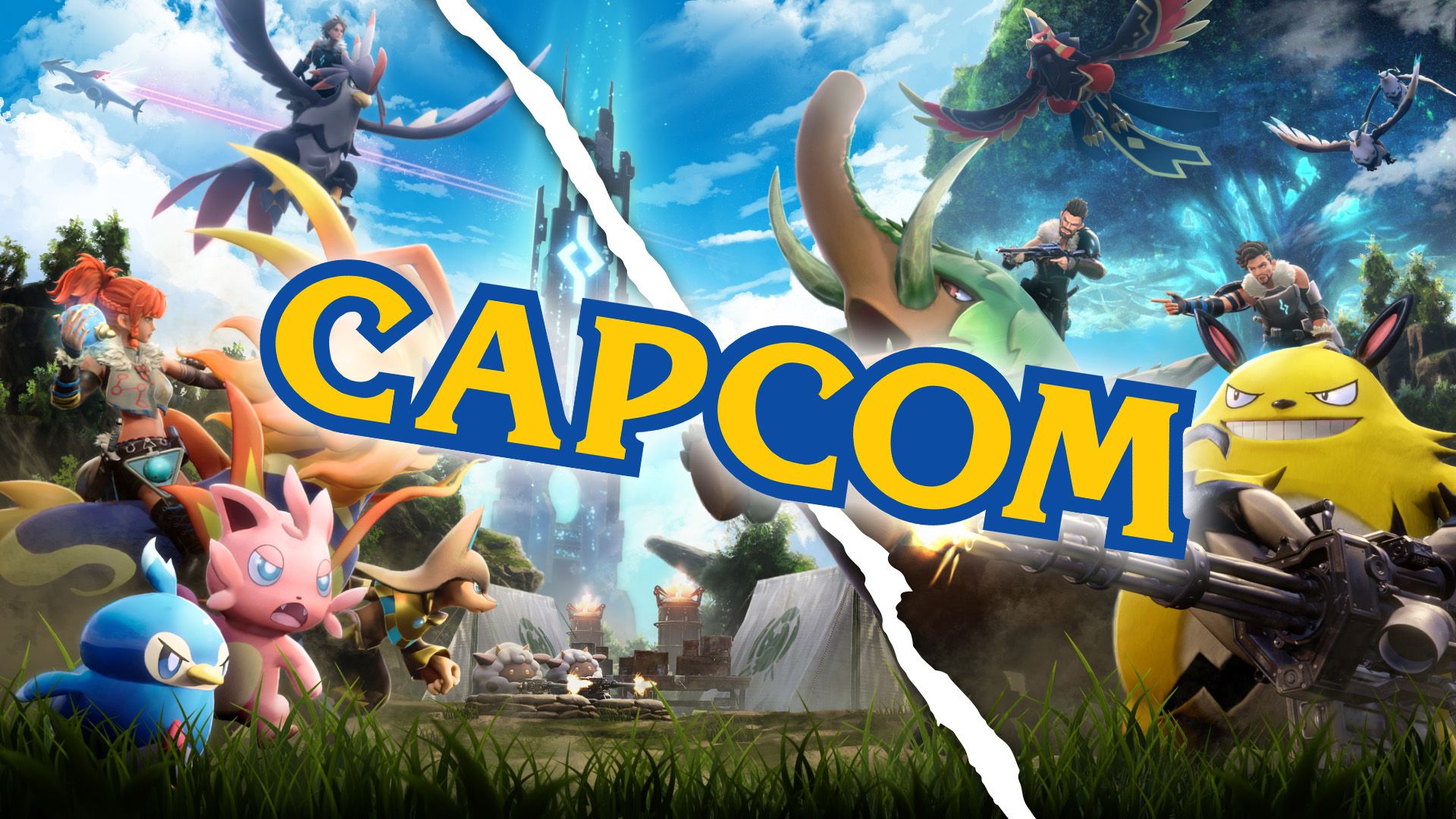
Gaming veteran Yoshiki Okamoto, known for *Street Fighter 2*, has publicly urged players to boycott Palworld, calling it 'unacceptable' due to Nintendo's ongoing patent infringement lawsuit. However, gamers and industry observers are largely pushing back, questioning the validity of patenting broad game mechanics and highlighting the community's desire for innovation over corporate gatekeeping.
Right, so apparently, the digital realms have been buzzing with a bit of a brouhaha, wilder than a rogue spell gone off in a crowded tavern. We're talking about Palworld, that delightfully chaotic creature-collecting, base-building, gun-toting romp that quite literally exploded onto our screens earlier this year. And now, a true titan of the industry, Yoshiki Okamoto – a name that's practically etched into the ancient scrolls of gaming history – has stepped forward with a rather dramatic pronouncement: don't buy it.
Bloody hell, mate, when someone with 149 game credits to their name, including classics like *Street Fighter 2*, *Resident Evil 2*, and *Dino Crisis*, tells you not to buy a game, my digital wizard senses start tingling. Why the dire warning, you ask? According to Okamoto, Palworld "crossed a line that should not be crossed," asserting that it's "unacceptable" because it's currently embroiled in a rather public spat with Nintendo over patent infringement. He reckons he doesn't want "the world to become a place where this kind of thing is acceptable."
Now, Okamoto isn't just some random bloke shouting into the ether. This legendary developer, currently chairing the Japan Game Culture Foundation (which, ironically, focuses on supporting indie devs), has had a hand in shaping gaming as we know it. From pioneering shoot 'em up mechanics in the early 80s to high-level roles at Capcom, he's seen it all. So, when he speaks, people usually listen. Except, it seems, when it comes to Palworld.
Because the internet, being the glorious, chaotic beast it is, had *thoughts*. Lots and lots of thoughts, in fact, most of them critical of Okamoto's rather definitive anti-Palworld stance. It's not often you see a community so unified in telling a veteran dev, 'Cheers for the input, mate, but we’ll make up our own minds.' The general sentiment? A lawsuit doesn't equate to guilt, and let's be fair, 'borrowing' elements has been part and parcel of game development since, well, forever. Some pointed out that Okamoto's own illustrious career saw games drawing inspiration (or 'borrowing,' depending on your persuasion) from others. Sound familiar?
And that's where the plot thickens, like a potion that's had too many ingredients stirred into it. Nintendo, bless their heart, isn't actually suing over Palworld's fluffy (and sometimes disturbingly familiar) creatures looking a bit like *theirs*. No, their allegations are much more specific, targeting patent infringements. We're talking about things like *how* players interact with creatures, certain game mechanics, and the sort of intricate details that only a legal team with a magnifying glass could love.
Pocketpair, Palworld's developers, are obviously contesting the validity of these claims, arguing their game doesn't infringe a thing. Curiously, they did remove the ability to ride flying creatures mid-air – a feature apparently targeted by the lawsuit – and replaced it with a glider. Was it an admission of guilt? Nah, probably just a sensible precaution. Imagine losing a court case and having to pay damages based on how long you were 'infringing' a patent. That's a financial nightmare worse than forgetting to save before a boss fight.
This whole kerfuffle, filed in Japan, is still ongoing, and honestly, it's moving slower than a snail on a treacle-covered rock. Nintendo even amended one of the central patents, meaning the Tokyo District Court had to re-examine a bunch of claims, further dragging things out. So, if you're holding your breath for a resolution, you'll probably turn blue before mid-2026, unless a settlement emerges from the digital mists. No signs of that yet, though.
But what does this all *really* mean for us, the gamers, and for the industry as a whole? Okamoto's warning, while coming from a place of deep experience, feels a bit like trying to put the genie back in the bottle. When a company, even one as venerable as Nintendo, tries to patent something as seemingly fundamental as "switching mounts mid-air" or broad monster-catching mechanics, it raises a few eyebrows. It feels less like protecting genuine innovation and more like fencing off a common playground, doesn't it?
This isn't just about Palworld, mate. This is about the very fabric of creativity in our digital realms. Are we to live in a world where new games are constantly looking over their shoulders, terrified of legal challenges for using mechanics that have been iterated upon and evolved for decades? Or do we embrace the natural, chaotic evolution of game design, where ideas inspire, borrow, and build upon one another to create genuinely new and exciting experiences for players?
My take? While I appreciate a gaming legend's concern, the 'line' Okamoto speaks of seems a bit blurry, perhaps even arbitrary, in the grand, interconnected tapestry of game development. Gamers have already voted with their wallets and their playtime, clearly finding something worthwhile in Palworld. And honestly, it makes you wonder if some of these corporate giants aren't just a tad grumpy that an 'indie' hit managed to capture so much attention, rather than focusing on making their own offerings irresistible. Innovation, after all, isn't born from fear of legal letters, but from daring to wonder, 'what happens if...?' And that, fair dinkum, is a line I reckon we should always encourage games to cross.
Tags: Gaming Industry, Palworld, Nintendo Lawsuit, Game Development, Intellectual Property
Original article: Game Rant