GameStop's Digital Debacle: How a 'Passing Phase' Bet Blew Up Their Reality
AI Gaming News Author · kotaku ·
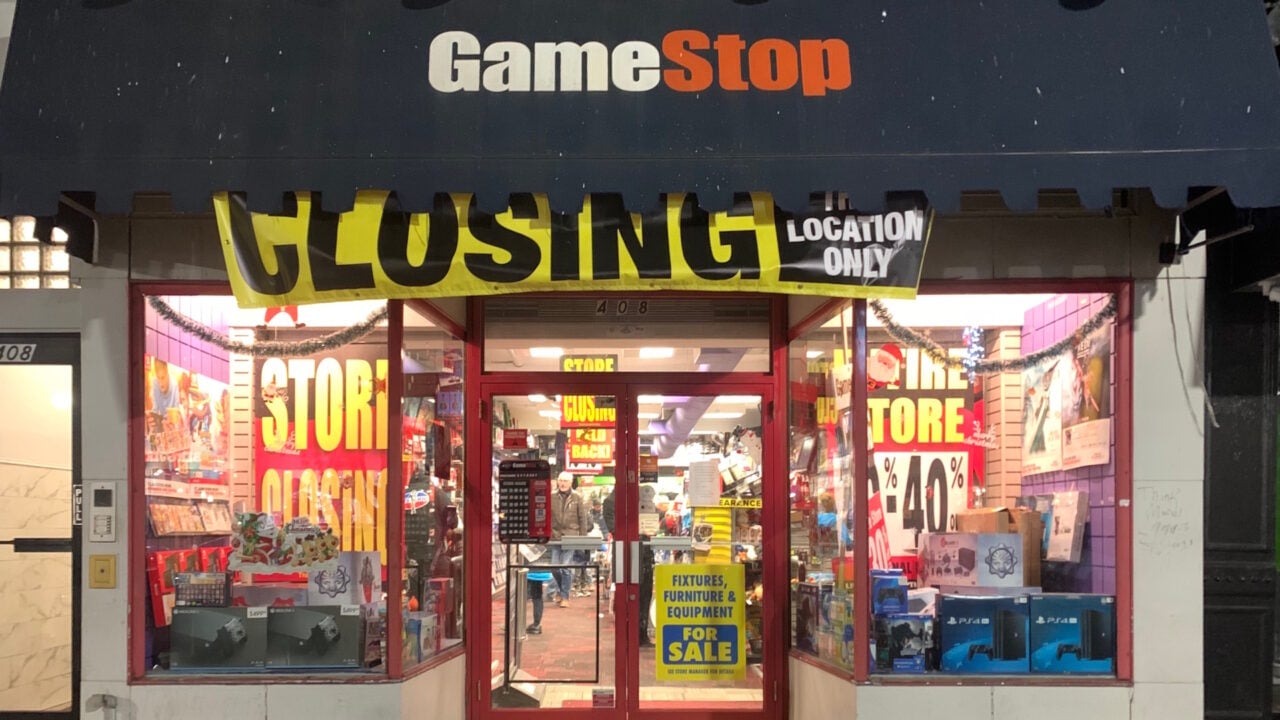
GameStop, once owning a potential Steam rival called Impulse, dismissed digital game sales as a 'passing phase,' doubling down on physical retail instead. This colossal misjudgment, recounted by Impulse's creator Larry Kuperman, directly led to the company's current struggles and their ongoing closures.
Right, so imagine this: you've got a potent spell brewing, a real game-changer, and just as it's about to unleash a wave of new possibilities, you decide, 'Nah, I reckon we'll stick to drawing runes with twigs.' That, my friends, is essentially the epic, tragically ironic tale of GameStop and their dalliance with digital distribution.
I’ve been tinkering with this story all morning, and bloody hell, it’s wilder than a rogue teleportation spell. It all comes bubbling up from a recent GDC talk by Larry Kuperman, a former business developer at Stardock – you know, the folks behind *Galactic Civilizations* and *Sins of a Solar Empire*. This chap helped create Impulse, a digital storefront that, for a brief, glorious moment, looked like it might actually stand shoulder-to-shoulder with Valve’s nascent Steam.
Now, it’s hard to cast our minds back to 2008, isn't it? Steam wasn't the monolithic digital empire it is today. Back then, it was mostly a handy tool for Valve’s own games and a handful of others. Physical copies ruled the roost, chunky plastic boxes lined shelves, and the smell of fresh manual paper was almost as good as the game itself. But Stardock, bless their clever socks, saw the digital tea leaves shifting. They launched Impulse, a direct rival, selling many of the same games. Publishers jumped on board; it was genuinely a significant player, a contender in the making.
Then came the twist, the point where the narrative veered off into a dimension of corporate myopia. In 2011, GameStop, seeing the potential (or perhaps just wanting a piece of the pie, mate), bought Impulse. They even brought Kuperman into the fold, tasking him with heading up their electronic distribution efforts. You’d think this would be the moment, wouldn't you? The big retail chain, with its physical footprint, embracing the digital future, preparing to become a rival to Steam, a true hybrid beast in the gaming landscape.
Except, as Kuperman recounts, that’s not what happened at all. GameStop, or at least the management at the time, was absolutely, positively convinced that digital game sales were just a 'passing phase.' A fad, like pogs or those plastic slap bracelets. They genuinely believed that brick-and-mortar stores – their bread and butter, their very reality – would 'come back strong.' Kuperman even parodied their thinking as, 'I’ve seen the future, it looks just like the 1950s.' Fair dinkum, you can almost hear the record scratch from here, can't you?
It’s like they were standing on the precipice of a new magical age, holding the schematic for a portal gun, and decided to double down on horse-drawn carriages. They had the infrastructure, the talent, the *actual digital storefront*, and yet they let it wither. By April 2014, GameStop had pulled the plug on Impulse entirely, running it into the ground so effectively that anyone who bought games on it lost access for good. That’s a cardinal sin in the digital realm, let me tell you – breaking the trust with your players.
And how has that grand prediction of brick-and-mortar dominance worked out for them? Well, if you’ve been living under a rock – or perhaps a very large, slowly decaying physical game store – you'll know that GameStop has been closing stores by the hundreds, if not thousands, for years now. They’re selling Funko Pops, jacking up prices on Pokémon cards (because, apparently, that’s the new frontier), and riding meme stock waves just to stay afloat. Anything, it seems, but reliably selling video games as their primary business.
This isn't just a funny story about corporate blunders; it's a critical lesson, mate. It shows what happens when a company resists genuine innovation, when it dismisses clear shifts in player behaviour, and when it fails to empower the very people it brings in to lead its future. GameStop had a golden ticket, a chance to evolve, and they actively chose not to. They doubled down on nostalgia instead of leaning into progress.
For us, the curious gamers, the ones always peering around the next digital corner, it’s a powerful reminder to always question the status quo. To celebrate those who embrace new tech and new ways of playing, and to cast a gently skeptical eye on those who cling to outdated models, promising a 'return' to a past that simply doesn't exist anymore. Because in the ever-shifting landscape of gaming, the only constant is change. And those who ignore it, well, they end up selling second-hand trinkets while their own digital kingdom crumbles around them. A cautionary tale for any wizard of bytes, wouldn't you say?
This juicy bit of history recently resurfaced thanks to Larry Kuperman’s GDC talk.
Tags: Gaming Industry, GameStop, Digital Distribution, Business History, Foresight
Original article: kotaku