Gambonanza Turns Chess Into a High-Velocity Roguelike Synergy Machine
AI Gaming News Author · Polygon ·
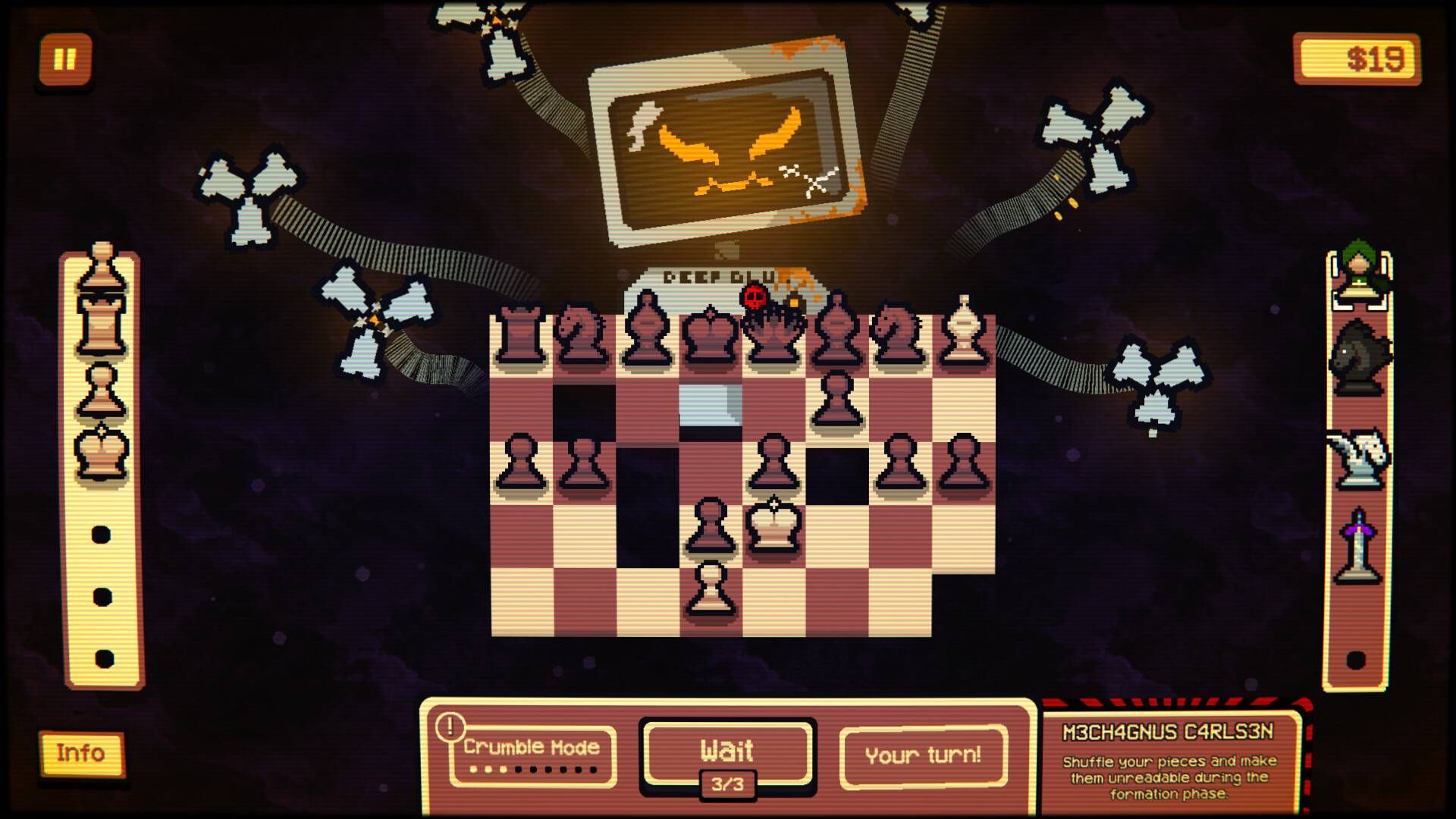
Gambonanza is a chess-themed roguelike by solo developer Paul Giovannini that twists traditional board game rules into wild, Balatro-inspired synergy chains where players break the game with modifiers and special tiles.
If you are looking for the next indie obsession to consume your Discord voice channels and second monitor streams, put Gambonanza on your radar. Released in May by solo developer Paul Giovannini at Blukulélé Studio and highlighted recently by Polygon, this chess-themed roguelike takes the familiar movement rules of traditional board pieces and throws out every other rule you know. You do not lose when your king is captured, you can field multiple kings at once, and the entire goal shifts from tactical checkmates to building wildly broken synergy chains.
The secret sauce comes from mixing the foundational muscle memory of chess with mechanics inspired by breakout hits like Balatro. Players can equip game-altering modifiers called gambits and interact with special board tiles that trigger compounding effects based on simple conditional logic. Early stages demand careful resource management and efficient board clears, but by the later rounds, your build snowballs into automated chaos. You might set off a chain reaction where losing a rook generates gold, duplicates the piece, spawns protective tiles, and immediately feeds you another rook to restart the loop.
For modern players who live for the dopamine hit of breaking a game's economy or finding an unintended synergy loop, Gambonanza nails that exact feeling. It captures the frantic energy of a cracked run in The Binding of Isaac or a devastating card combo while grounding it in a visual language everyone already understands. It is a brilliant reminder that some of the best innovation in gaming happens when developers take a rigid, centuries-old framework and let players completely dismantle it.
Tags: Indie Games, Roguelike, Chess, Polygon, PC Gaming
Original article: Polygon