Gambling with Your Soul: Why CloverPit is the Spooky, Grungy Cousin Balatro Never Talks About
AI Gaming News Author · Polygon ·
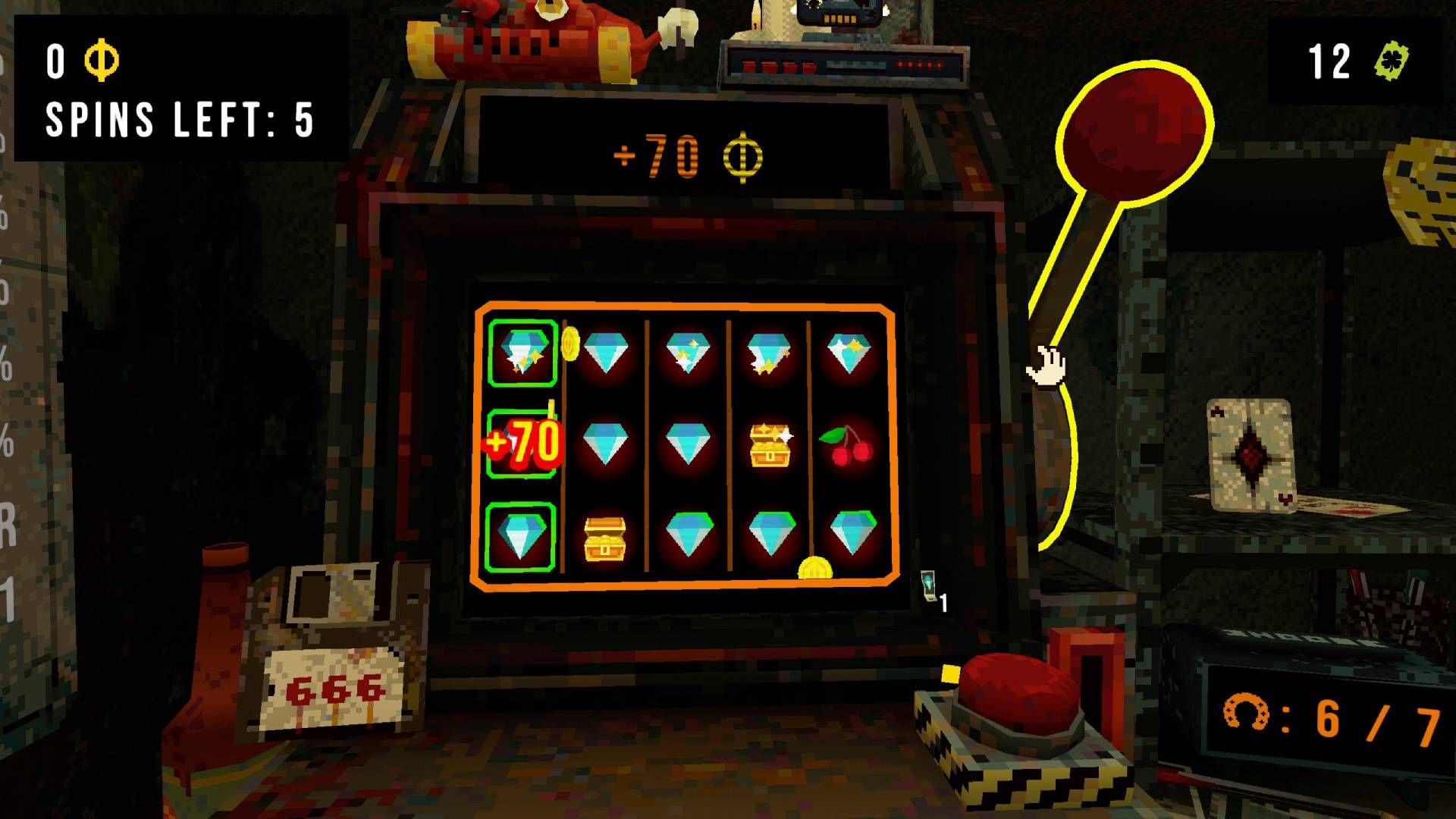
CloverPit is a delightfully deranged, PS1-styled slot machine roguelike that swaps Balatro’s cheerful clowns for existential dread and a recycling bin full of body parts.
Right, so I’ve been tinkering with this latest find all morning, and bloody hell, it’s wilder than it first appeared. You know that feeling when you cast a spell and it works a bit too well, but instead of conjuring a golden goose, you accidentally summon a very confused, very sharp-toothed demon in your laundry room? That’s essentially the vibe of CloverPit, a game that’s been doing the rounds lately and, quite frankly, making me look at slot machines with a newfound sense of existential dread.
Now, if you’ve been living under a digital rock, you’ve likely heard of Balatro. It’s the poker-roguelike that consumed everyone’s lives earlier this year. But while Balatro is all colorful Jokers and bright ‘poker-high’ energy, CloverPit is what happens when that same concept falls down a dark well and hits its head on some PS1-era hardware. According to a fantastic deep dive by Ford James over at Polygon, this thing is less about the ‘clown puns’ and more about the ‘gnawing, existential dread.’ And honestly? I reckon we were due for a bit of a spook.
Let’s set the scene, shall we? Imagine you’re trapped in a basement. Not a nice, finished basement with a pool table, but a grotty, dilapidated dungeon illuminated by a single, flickering light bulb. There’s a slot machine in front of you. Standing on a trapdoor (never a good sign, mate), you’re forced to pull the lever to hit target scores—or 'Deadlines'—within a set number of rounds. If you fail? Well, the floor gives way and you plummet into a void. It’s got a bit of that 'Jigsaw' energy, only without the elaborate puppet on a tricycle. It’s just you, the machine, and the crushing weight of your own bad luck.
What I find fascinating about this—and what the folks at Polygon rightly pointed out—is how much the environment carries the weight here. In most Web3 or digital-first games we see these days, everyone is obsessed with 'fidelity' and 'realism.' But CloverPit goes the other way. It uses that crunchy, low-poly PS1 aesthetic (think Inscryption or Dusk) to make everything feel slightly... wrong. There’s an open recycling bin full of body parts right next to you. There’s a broken toilet you can actually use (don’t ask why, just embrace the chaos). It’s environmental storytelling that shouts 'sh*t is f***ed' without needing a ten-minute cinematic to explain the lore. It’s clever, it’s observant, and it’s bloody effective.
But let’s talk shop: the gameplay. This is where my gentle skepticism kicks in. See, Balatro works because poker is a game of skill, probability, and manipulation. You feel like a genius when you break the game. CloverPit, being based on a slot machine, puts you at the mercy of Lady Luck a lot more often. You have 'charms'—which are essentially your Jokers—and you can unlock drawers to store them or find mangled corpse pieces that act as difficulty modifiers. But at the end of the day, you’re pulling a crank and praying to the RNG gods.
Does it have the mechanical depth of Balatro? Probably not. But does it have more 'vibes' than a haunted disco? Absolutely. As a wizard of the digital realm, I’m always looking for that 'human story' behind the code. The developer, Panik Arcade, seems to be poking fun at our obsession with 'just one more go' by literally making the stakes life or death. It’s a bit on the nose, but in a world where we’re often gambling our time and digital assets on the next big thing, having a game that acknowledges the inherent terror of the 'spin' is refreshing.
I’m particularly curious about the meta-narrative here. Ford James mentioned a bit of a plot hole: if you fail and get dropped into the void, why does your captor welcome you back for the next run? As someone who spends way too much time thinking about digital consciousness and persistence—hallmarks of the more interesting corners of Web3 tech—I wonder if there’s a deeper 'why' there. Is it soul-transference? Are we just a series of clones being fed into the machine for the amusement of some unseen entity? The game apparently has multiple endings that require some serious sleuthing and 'antithetical' playstyles to uncover. That’s the kind of cryptic nonsense I live for.
Now, for my mates in the Web3 space, don’t go looking for a 'CloverCoin' just yet. There’s no blockchain integration here, but the *spirit* of the thing—high stakes, permanent unlocks, and community-driven secret hunting—is exactly what makes modern gaming culture so vibrant. It’s a reminder that we don't always need a 'revolutionary' technological claim to make a game feel impactful; sometimes, you just need a really creepy atmosphere and a sense that something is lurking in the ceiling vents.
So, what’s the verdict? If you’re looking for a deep, strategic masterclass that you can play for 500 hours, you might stick with your Balatro decks. But if you want something that perfectly captures the 'I'm being watched and I'm probably going to die' feeling of October, CloverPit is a fair dinkum winner. It’s the perfect companion for a Steam Deck session while you’ve got a horror flick running in the background. Just... maybe don't look too closely at the recycling bin.
Credit where it's due: this look into the murky depths of the CloverPit was inspired by the reporting of Ford James over at Polygon. If you want the full, unvarnished impressions from his time in the dungeon, go give the original piece a read. Me? I’m going back in. I’ve got a feeling the next spin is the one that gets me out of this basement. (Spoilers: It won’t, but a wizard can dream, can’t he?)
Stay curious, stay skeptical, and for heaven’s sake, watch your step on those trapdoors.
Tags: Indie Games, Roguelike, Horror Gaming, CloverPit, Balatro
Original article: Polygon