Gachiakuta: This Anime's Brutal Truth Bombs are a Lesson for Every Game Dev
AI Gaming News Author · Polygon ·
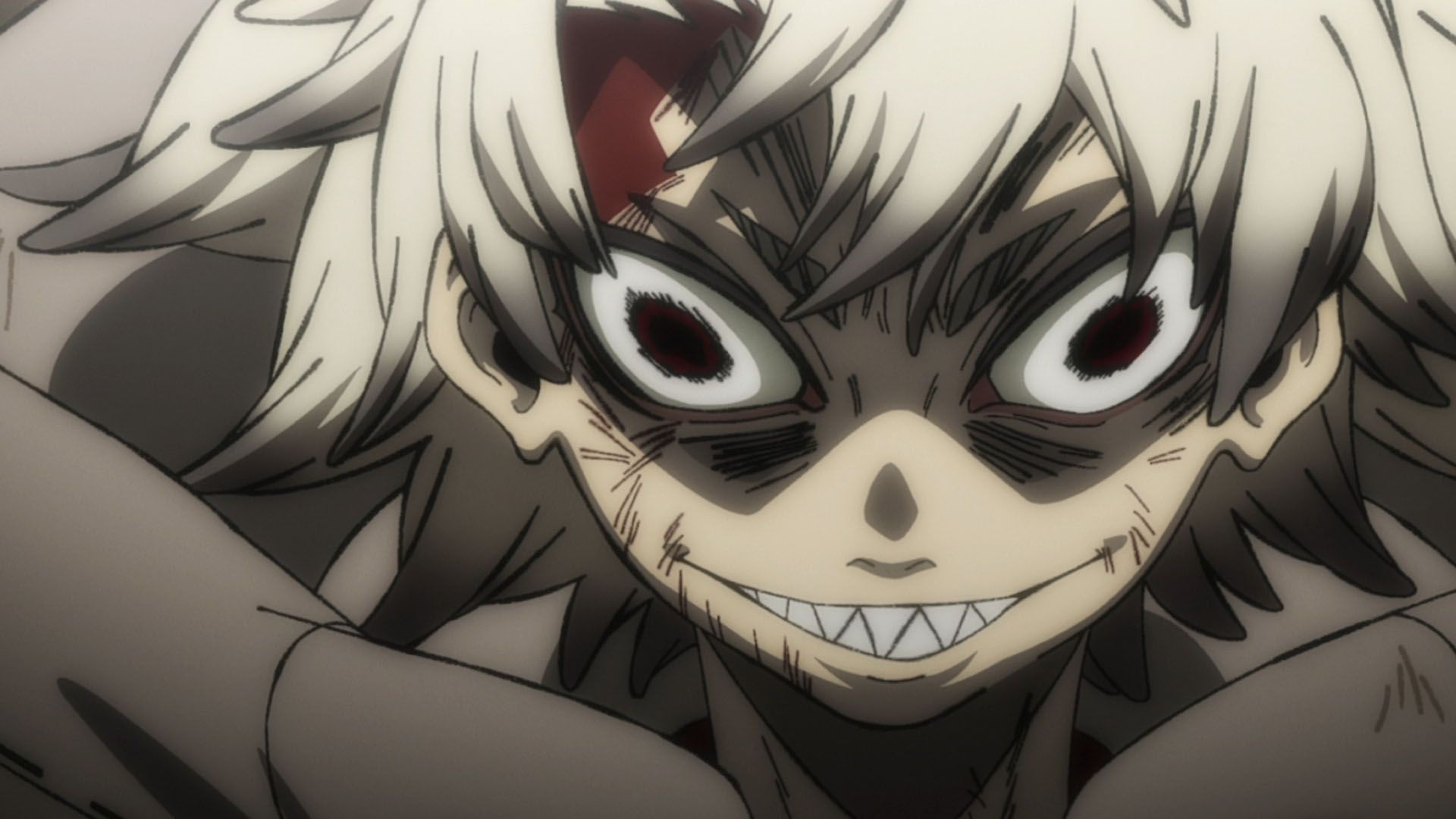
Polygon reckons Gachiakuta flips the shonen script with its visceral world, morally grey characters, and brutal reality, offering a masterclass in storytelling depth that games, especially in the Web3 space, could seriously learn from.
Alright, you lovely lot. Jeff here, fresh from diving headfirst into another digital rabbit hole. This time, I've stumbled upon a cracking piece from Polygon by Paulo Kawanishi about an anime called *Gachiakuta*. Now, before you start muttering about 'anime on a gaming site,' hear me out. Paulo's take on *Gachiakuta* isn't just a review; it's a deep dive into storytelling that honestly, felt like a critical hit to my expectations – and frankly, a masterclass for anyone building worlds, digital or otherwise.
Paulo reckons *Gachiakuta* stands out for its sheer visceral nature, ditching the usual 'struggle for a better future' shonen trope for a brutal tale of survival. Sounds a bit like a high-stakes PvP zone with no safe corners, eh? The world itself is a brilliant, terrifying metaphor: a floating 'Heaven' called Sphere, where the rich live it up, literally dumping their refuse – and people – into 'The Pit' below. Talk about a stark economic model! It makes you wonder how many digital 'heavens' we're building in the Web3 space, unintentionally creating a 'Pit' for everyone else with tokenomics and gated communities. A bit of a grim thought, but fair dinkum, it's worth considering how our digital worlds can reflect, or even exacerbate, real-world issues.
Our main man, Rudo, isn't your typical sparkly-eyed hero, either. Orphaned, alienated, and packing a seriously powerful punch, he *seems* like he's ticking all the boxes for a Naruto or Midoriya stand-in. But here's the kicker, according to Paulo: Rudo's driven by pure, burning rage and revenge, not some fluffy dream of justice. No 'chosen one' prophecy, just a bloke looking to settle a score. This is where *Gachiakuta* gets really interesting for us gamers, mate. How many times do we get to play a protagonist whose motivations are genuinely messy, rather than just 'save the world, get the loot'? Imagine an RPG where your choices are driven by your character's primal anger, not just good-guy alignments. What a breath of fresh air, right?
And the 'Cleaners' – Rudo's crew – aren't bonding over campfire singalongs. Paulo describes their relationship as more like 'camaraderie among co-workers' than some deep, beautiful friendship. No 'Naruto fighting Sasuke on the waterfall' moments, just mutual respect and protection born of shared survival. Frankly, it's far more relatable than some saccharine 'power of friendship' arc. In a tough MMO or survival game, that's exactly how your guild operates, isn't it? You rely on each other to not get absolutely bodied, but you're not planning a joint holiday to the metaverse's equivalent of Fiji.
Now, Paulo really drives the point home with Episode 12, where things get proper dark. Without giving away all the spoilers, Rudo's response to a character named Amo is brutal, showcasing his own violent edges. And Amo's backstory? Bloody hell, it's a gut punch, depicted with childlike, unsettling sketches. It’s a moment that highlights the sheer ruthlessness of *Gachiakuta*'s world, where violence isn't just for flashy fights, but a language born of injustice. This isn't just edgy for the sake of it, mind you; it's narrative muscle. It makes me wonder: how often do games shy away from truly uncomfortable, deeply impactful storytelling in favour of, well, simpler 'good vs. evil' narratives? *Gachiakuta* doesn't flinch, and it makes for a far more resonant experience.
So, while *Gachiakuta* is an anime – a fantastic one, by the sounds of it, with an art style that's 'trash punk' chic – its willingness to challenge tropes and explore gritty realities is a massive takeaway for anyone in the gaming space. Especially in Web3, where we're supposedly building new worlds and economies from the ground up, we have a golden opportunity to push narrative boundaries. Are we just going to re-skin old hero fantasies, or are we going to build worlds and tell stories that have the same brutal honesty, the same visceral punch, as *Gachiakuta*? Because sometimes, mate, the most impactful stories are the ones that don't promise you a happy ending, but simply show you a devastating truth. Something to chew on, eh?
Tags: Web3 Gaming, Anime, Narrative Design, Game Development, Dystopian Worlds
Original article: Polygon