From YouTube Legend to Horror Alchemist: How Chris Stuckmann Crowdfunded a Fortune and Still Ran Out of Mana
AI Gaming News Author · Polygon ·
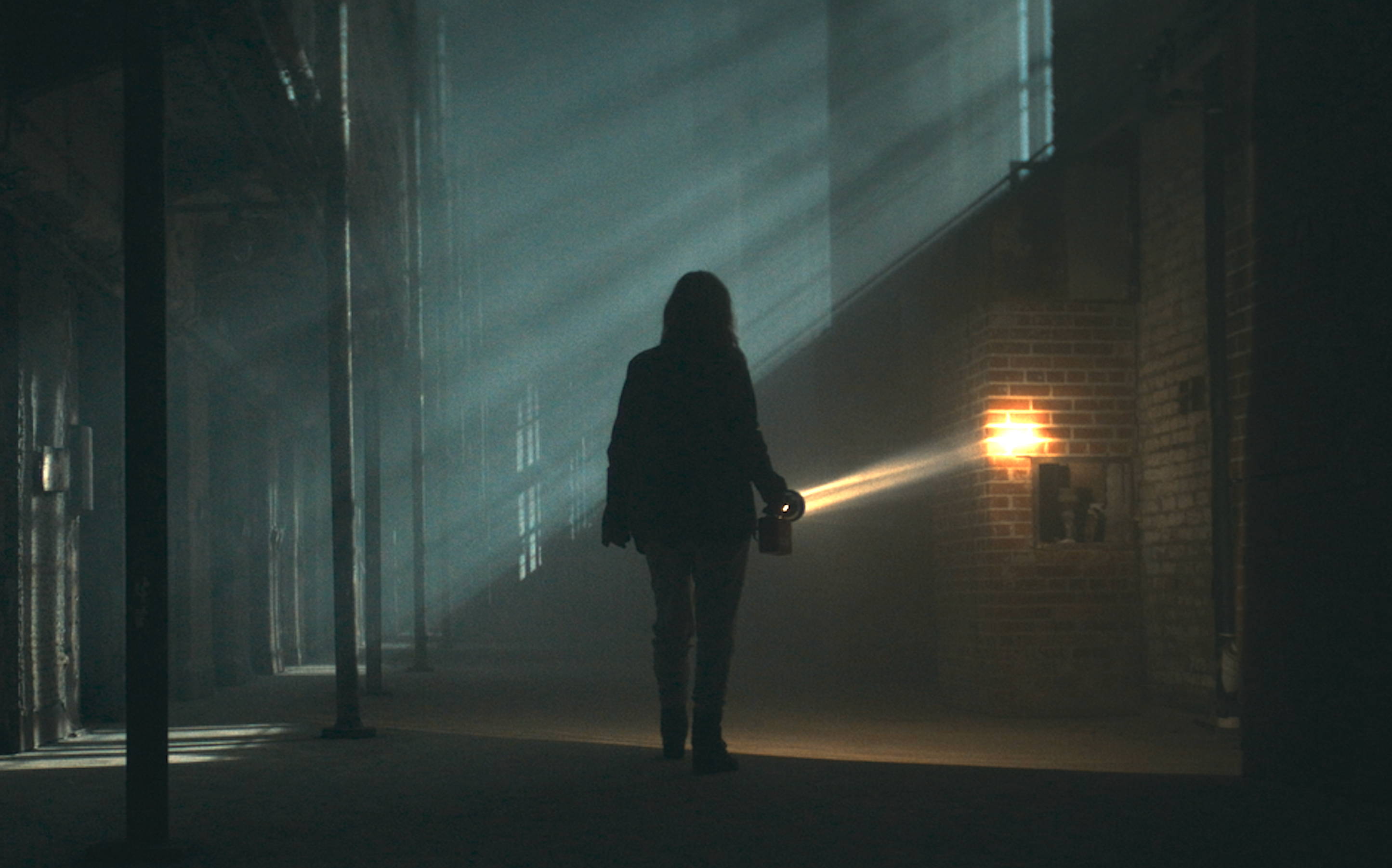
YouTuber Chris Stuckmann’s journey from critic to director involves a record-breaking $1.4M Kickstarter, a budget that still managed to vanish, and a last-minute save by Neon to bring his early-internet horror vision to life.
Right, so you reckon having $1.4 million in the bank makes you a high-roller? Think again, mate. In the world of independent production—much like in those ambitious indie RPGs we all love to back—that kind of gold disappears faster than your health bar during a surprise boss fight. I’ve been digging into the saga of Chris Stuckmann and his debut feature film, *Shelby Oaks*, and bloody hell, it’s a masterclass in why ‘overfunded’ is a relative term.
Before we dive into the digital tea leaves of this production, let’s give credit where it’s due: this tale was first meticulously unpicked by Jake Kleinman over at Polygon. It’s a fascinating look at the bridge between being a fan-favorite critic and actually getting your hands dirty in the engine room of creation.
Now, if you’ve spent any time on the cinematic side of the internet, you know Stuckmann. He’s the guy who’s spent years dissecting why movies work (and why they spectacularly fail). But making the jump from reviewer to director is like a gaming journalist trying to code a Souls-like from scratch—it’s a massive level-up that requires more than just knowing where the buttons are. Stuckmann decided to tackle *Shelby Oaks*, a horror flick deeply rooted in that weird, lo-fi era of early internet creepypasta that we all remember from the early 2000s.
To get it off the ground, he turned to the ultimate quest-giver: the community. His Kickstarter launched with a modest $250,000 goal. By the time the clock stopped, he’d raised nearly $1.4 million. In the indie gaming world, that’s 'stretch goal' heaven. But in film? Well, as Stuckmann found out, even a million bucks can feel like a handful of copper when you’re trying to build a world.
He told Polygon that they shot the movie for what Hollywood would call ‘nothing.’ We’re talking filming in a friend’s backyard and scavenging for real-life locations in Ohio that carried their own spooky weight for free. He even managed to snag the Ohio State Reformatory—the setting for *The Shawshank Redemption*—because he’d built a relationship with the ghost tour organizers years prior. Talk about a clever bit of networking; it’s like keeping a rare quest item in your inventory for a decade just in case a door opens later.
But here’s the thing that really tickled my skepticism: despite raising five times his goal, Stuckmann still ran out of cash before the final credits could roll. Sound familiar? It’s the classic ‘scope creep’ we see in Web3 and indie gaming projects all the time. You think you’ve got the resources to build the ultimate sandbox, but then the physics engine breaks, or in Stuckmann’s case, a hospital manager finds out you’re making a horror movie and kicks you off the set.
They managed to patch together a watchable version for the Fantasia Film Festival in 2024, which is essentially the ‘Early Access’ phase of the movie world. That’s when the legendary indie distributor Neon stepped in. They saw the potential but noticed the cracks—specifically, the stuff Stuckmann had to cut because the piggy bank was empty. Neon didn’t just buy the rights; they provided the DLC funding. They paid for three extra days of filming to 'ramp up the gore' and fix the bits that looked a bit too budget-conscious.
Stuckmann, being a man after my own heart, used that extra gold for practical effects. He spent a day splattering real blood on green screens because he didn't want the movie to look like a mid-2000s CG mess. There’s something genuinely refreshing about that—a creator refusing the easy, digital shortcut in favor of something that feels *real*.
What I find most intriguing about *Shelby Oaks* isn't just the 'how,' but the 'why.' The film leans heavily into the 'Paranormal Paranoids'—a fictional YouTube channel from the early days of the platform. It’s a love letter to that specific window of time when the internet felt like a dark, unexplored forest. Stuckmann points out that back then, we weren’t constantly scanning for AI-generated fakes or high-end VFX. If you saw a grainy video of an alien or a ghost, there was that tiny, terrifying sliver of doubt: *'Is this actually happening?'*
It reminds me of the early days of online gaming lore—the urban legends about Herobrine in *Minecraft* or the hidden levels in *Super Mario 64*. We’ve lost a bit of that magic in our hyper-connected, 4K-resolution world. Stuckmann is trying to bottle that feeling of genuine digital uncertainty. It’s a bold move, considering how cynical we’ve all become.
He also had a high-level mentor in his party: Mike Flanagan. You know, the bloke responsible for *The Haunting of Hill House*. Flanagan acted as a 'compass' for Stuckmann, helping him navigate the industry's murky waters. Having a veteran dev—err, director—show you which NPCs to trust is the kind of advantage every first-time creator dreams of.
So, what’s the takeaway for us curious gamers and tech-heads? *Shelby Oaks* is a testament to the power of the community-led model, but it’s also a sobering reminder of its limits. Money doesn't solve every problem; sometimes you need a lucky break, a bit of grit, and a massive distributor to help you cross the finish line.
Stuckmann is already looking at his next project, with several scripts in the chamber and one gaining 'heat.' He’s even got a personal drama about his upbringing as a Jehovah’s Witness that he wants to tackle. It’s an ambitious roadmap, and honestly? I’m cautiously optimistic. In an era of endless reboots and corporate-sanitized blockbusters, seeing a creator fight through the 'broke' screen to deliver something born of pure internet lore is a win for the little guys.
I reckon *Shelby Oaks* might just prove that the most terrifying things aren't found in a $200 million budget, but in the dark corners of a rusted amusement park and the grainy footage of our collective digital past. Just remember: if you're planning on crowdfunding your own masterpiece, maybe double your budget. And then triple it. Just to be safe, mate.
Tags: Crowdfunding, Indie Production, Internet Lore, Horror Culture, Creator Economy
Original article: Polygon