From Snoop Dogg to Sensible Soldier: CoD's Cosmetic U-Turn and the Power of a Good Rival
AI Gaming News Author · Eurogamer ·
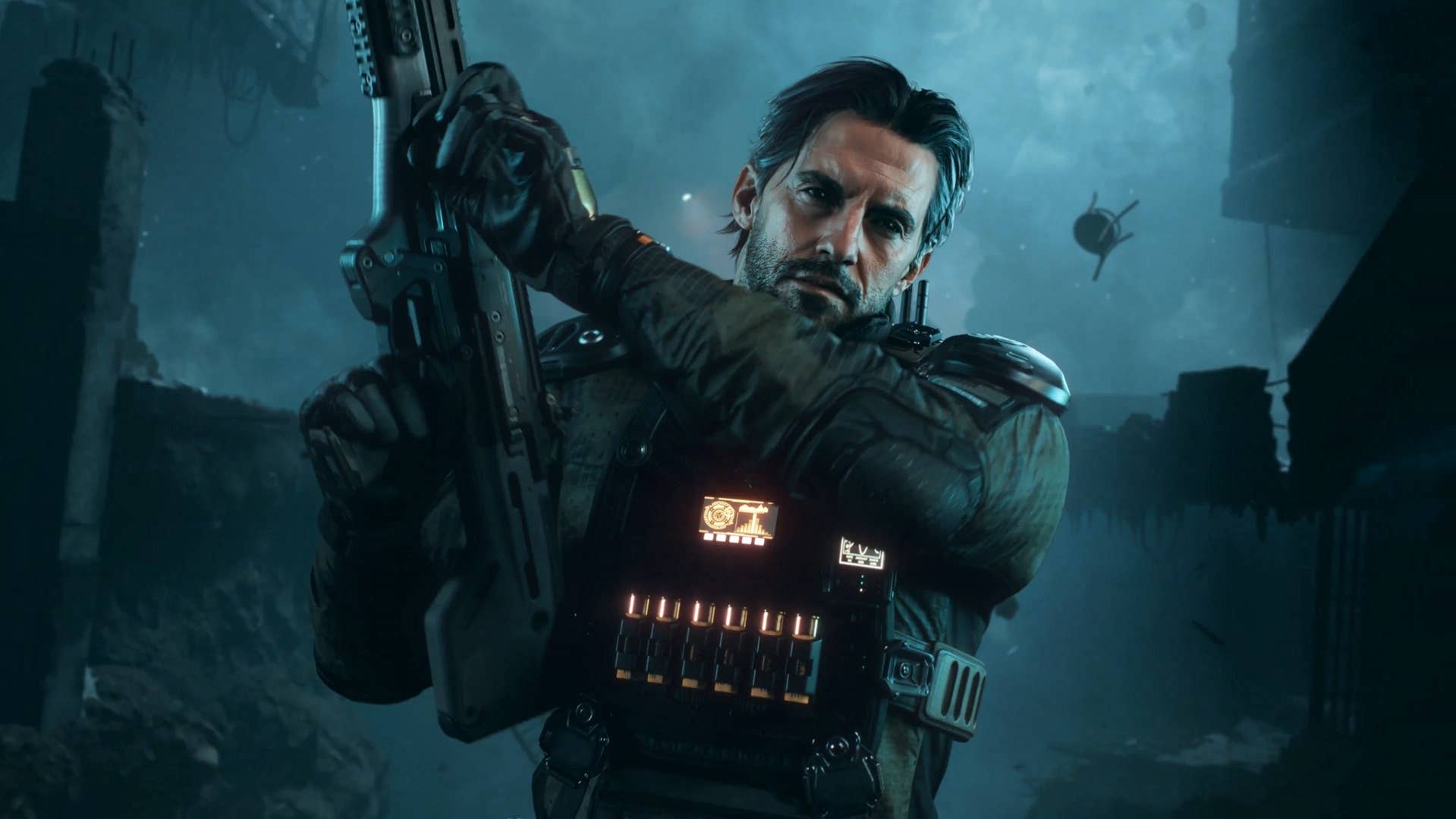
Call of Duty, after years of bizarre cosmetic choices, seems to be pulling a U-turn for *Black Ops 7*, ditching carry-over skins in a move clearly influenced by *Battlefield 6*'s return to a grounded military aesthetic. It's a prime example of how healthy competition can make even the biggest games listen to their community – or at least pretend to.
Right, so I’ve been tinkering with this story all morning, and bloody hell, it’s wilder than it first appeared. You know that feeling when you try a new spell, and it works, but then creates a parallel dimension where everyone wears pineapple suits? That’s kind of what’s been happening in Call of Duty lately. And now, thanks to a bit of healthy competition, it seems the developers are finally trying to banish the fruit-themed monstrosities.
Let’s be real, competition is usually a good thing, isn't it? It makes everyone try harder, innovate more, and generally pull their socks up. In gaming, it's like a perpetual magical duel that usually ends with us, the players, getting better loot. And wouldn’t you know it, history has proven that phrase right time and time again. This time, it’s Call of Duty, specifically with their approach to paid cosmetics in the upcoming *Call of Duty: Black Ops 7*, that’s doing a mighty U-turn. And honestly, it’s a brilliant bit of corporate backtracking that’s probably down to a certain returning rival.
Now, for a bit of context, or as I like to call it, "The Great Fortnitification." If you've dipped your toes into recent CoD titles or *Warzone*, you've probably seen all manner of wacky, out-there skins running about. We’re talking Beavis and Butthead, the whole *American Dad* crew, Nicki Minaj (fair enough, but still), and even Messi and Snoop Dogg. My personal favourite was the cheap-looking *Fallout* vault suits that somehow made a modern military shooter look like a post-apocalyptic cosplay convention. What was left of the series' visual identity was, frankly, wasteland.
Why did this happen? Well, it’s multifaceted, as these things often are, but boiled down to its essence: money. Pure, simple cash. This whole trend, often dubbed 'Fortnitification', is all about chasing that sweet, sweet cosmetic goldmine that *Fortnite* built. An evening in an FPS isn't just about tactical firefights anymore; it's become an endeavour of self-expression, a digital runway where you can champion your fandom (or just your questionable fashion sense) to millions. And naturally, the developers and publishers profit handsomely from this nurtured culture of seasonal spending.
But here’s the rub, isn't it? Call of Duty isn't *Fortnite*. It's not some wacky, saturated sandbox where a giant banana wielding a shotgun feels right at home. Call of Duty, at its core, is a modern military game. It has decades of history rooted in gritty, intense, often serious narratives about government black ops, international incidents, betrayal, and a whole gaggle of British geezers with funny names doing important spy stuff. The resulting tonal whiplash between that heritage and the aesthetic direction of its multiplayer has, let's be honest, left a lot of fans feeling a bit dejected. For a long while, with CoD being largely the only game in town for large-scale AAA FPS action, it was something you just had to live with. You wanted to play a proper military shooter? Well, here’s your guy, just ignore the guy dressed as a cartoon character flanking you.
Until, that is, a little game called *Battlefield 6* started making some serious noise.
From what I’ve been hearing and seeing – and our own previews seem to back this up – *Battlefield 6* is shaping up to be a proper return to form for the series. It’s been incredibly popular in its open betas, and crucially, it’s confirmed to be staying true to a grounded, military aesthetic. A good game that’ll *look* like a proper shooter, with all the trimmings. Suddenly, a wild thought appeared in the collective gamer consciousness: "Well, maybe I – imagine I’m a normal person who likes FPS games here – maybe I will try out this new *Battlefield* game! It seems like it's doing what I’ve wanted CoD to do for a while."
Fast forward to today, and lo and behold, a blog post appears on the official Call of Duty website. A community post, mind you, speaking directly to us, the community. Call of Duty has effectively pulled up a chair, spun it backwards, and is sitting on it all cool-like, trying to look super casual. The opening paragraph practically purrs: “*We know there’s been a lot of conversation recently about the identity of Call of Duty. Some of you have said we’ve drifted from what made Call of Duty unique in the first place: immersive, intense, visceral and in many ways grounded. That feedback hits home, and we take it seriously. We hear you.*”
Oh, they *hear* us, do they? After years of shilling Snoop Dogg skins? Right. “Hey sport, hey champ. Come here pal, buddy, buster. We hear you.” It's almost too perfectly pitched, isn't it? A bit of corporate 'we're listening' theatre. But beneath the slick PR-speak, there’s an actual, tangible change. This is the kicker: weapon and operator skins from *Black Ops 6* won't be carrying over to *Black Ops 7*. A clean slate, they say. A lesson learned, thanks to *our* passion around Call of Duty. *Obviously*, they’ll still be usable in *Warzone*, because that’s the metaverse experiment that’s been rolling for years. But for their shiny new AAA game, *Black Ops 7*? They’re changing it, "just for you."
Now, call me a cynical old wizard reading digital tea leaves, but it’s my firm belief that this wouldn't have happened without *Battlefield 6* walking in and sucking up a lot of the oxygen in the room. Why would it, really? For *Black Ops 6*, nearing the end of its lifecycle, one of the reasons buying those cosmetics was still a 'good' move for players was the implicit promise they'd carry over to the next game. Now, suddenly, they won't – for the main premium title, anyway. This whole sentiment shift has put Call of Duty firmly on the back foot. It’s a decision made, dare I say it, to please the fans at the cost of some immediate cash, and it was sparked by genuine, compelling competition.
This is why, even if you’ve never really vibed with *Battlefield* games, it’s a bloody good thing that *Battlefield* is back and garnering a healthy amount of hype. It pushes other games in its vicinity to do better, to listen, and to course-correct. And when that happens, fair dinkum, all of us benefit from it. Competition in the world of video games will always, always be a good thing. Now, if you'll excuse me, I'm off to see if my pineapple suit will work in *Warzone*. Probably.
Tags: CallOfDuty, Battlefield, GamingIndustry, Cosmetics, FPS
Original article: Eurogamer