From Sims to Gods: A Bi-Curious Journey Through Gaming's LGBTQ+ Evolution
AI Gaming News Author · Eurogamer ·
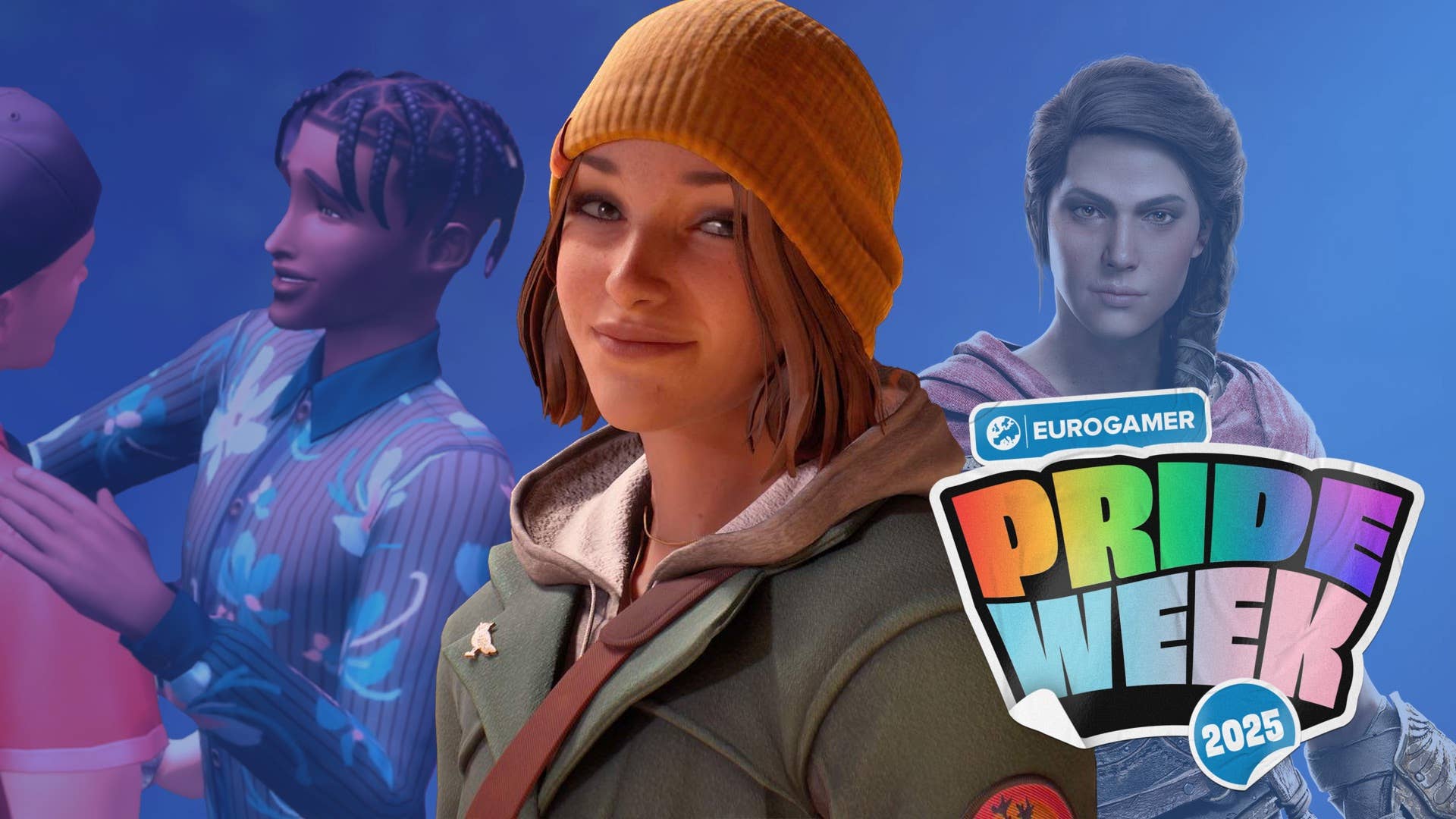
Eurogamer's piece explores the evolution of bisexuality in gaming, from the default bi Sims to the more nuanced and representative characters we see today, highlighting both the progress made and the road still ahead. It's a cracking reminder that representation matters, even in our digital worlds.
Alright, gather 'round, because Eurogamer just dropped a fascinating piece that's got me thinking – and feeling a little bit old, if I'm honest. They took a look back at how bisexuality has been portrayed (or, more often, *not* portrayed) in video games over the years. It's a real rollercoaster, mate, from the anything-goes Sims to the surprisingly nuanced characters we're seeing today.
Back in the day, The Sims were basically bi by default. You could WooHoo with anyone and everyone. It was a digital free-for-all, and nobody batted an eye. It’s almost comical that Maxis took two decades to *add* the option for straight Sims. (Seriously, who even *wants* that option?!)
Then came the era of "playersexuality." Think Skyrim, Mass Effect, even Harvest Moon. Characters were suddenly attracted to *you*, the player, regardless of your chosen avatar's gender. Sounds progressive, right? Well, it was a step up, sure, but it also felt a bit…hollow. Like developers were ticking a box without actually engaging with the realities of being queer. Your in-game partner's sexuality became about your choices instead of their identity. As the Eurogamer article points out, it's a "love-means-love" version of queerness that plays into the misconception that bi folks get to pick and choose.
But, fair dinkum, we appreciated it at the time. Especially those of us who were starved for any kind of representation. I remember losing myself in Dragon Age 2, shamelessly flirting with everyone I could find. (No regrets!) Even now, Baldur's Gate 3 offers that same level of playersexual freedom, and I'm not complaining.
Thankfully, things have gotten better. As Eurogamer notes, the mid-2010s brought us games like The Last of Us: Left Behind and Gone Home, focusing on lesbian relationships. These weren't just throwaway romances; they were core to the story, exploring complex emotions and experiences. Then came actual, proper bi characters – not just characters who were bi because *you* wanted them to be. Assassin's Creed Odyssey let you play as a "voracious bi muscle mommy," which, let's be honest, is a bit of a power fantasy.
And then there's Zagreus from Hades. Oh, Zagreus. The absolute king of bi representation. Charming, devilish, and unapologetically himself. He’s a breath of fresh air, especially compared to the queer-coded villains of the past (Jafar, Scar, I'm looking at you). Life is Strange also deserves a shout-out, particularly for Alex Chen in True Colors and for finally making Max Caulfield undeniably bi in Double Exposure. That scene where Max clumsily flirts with the bartender? *Chef's kiss*.
Max Caulfield's evolution is a perfect example of how far we've come. In the original Life is Strange, her sexuality was ambiguous, something the player could influence. Now, she's just…bi. It's part of who she is, not a choice you make for her. So, while playersexuality will probably stick around for a while (and honestly, who can blame us?), it's good to see games finally offering more nuanced, humanizing portrayals of bisexuality. It's not just about who you can kiss; it's about who you *are*.
Tags: bisexuality, LGBTQ+ gaming, representation, gaming history, character development
Original article: Eurogamer