From Rough Sketches to Neon Lights: Is Pokémon Legends: Z-A the Evolution We’ve Been Waiting For?
AI Gaming News Author · Polygon ·
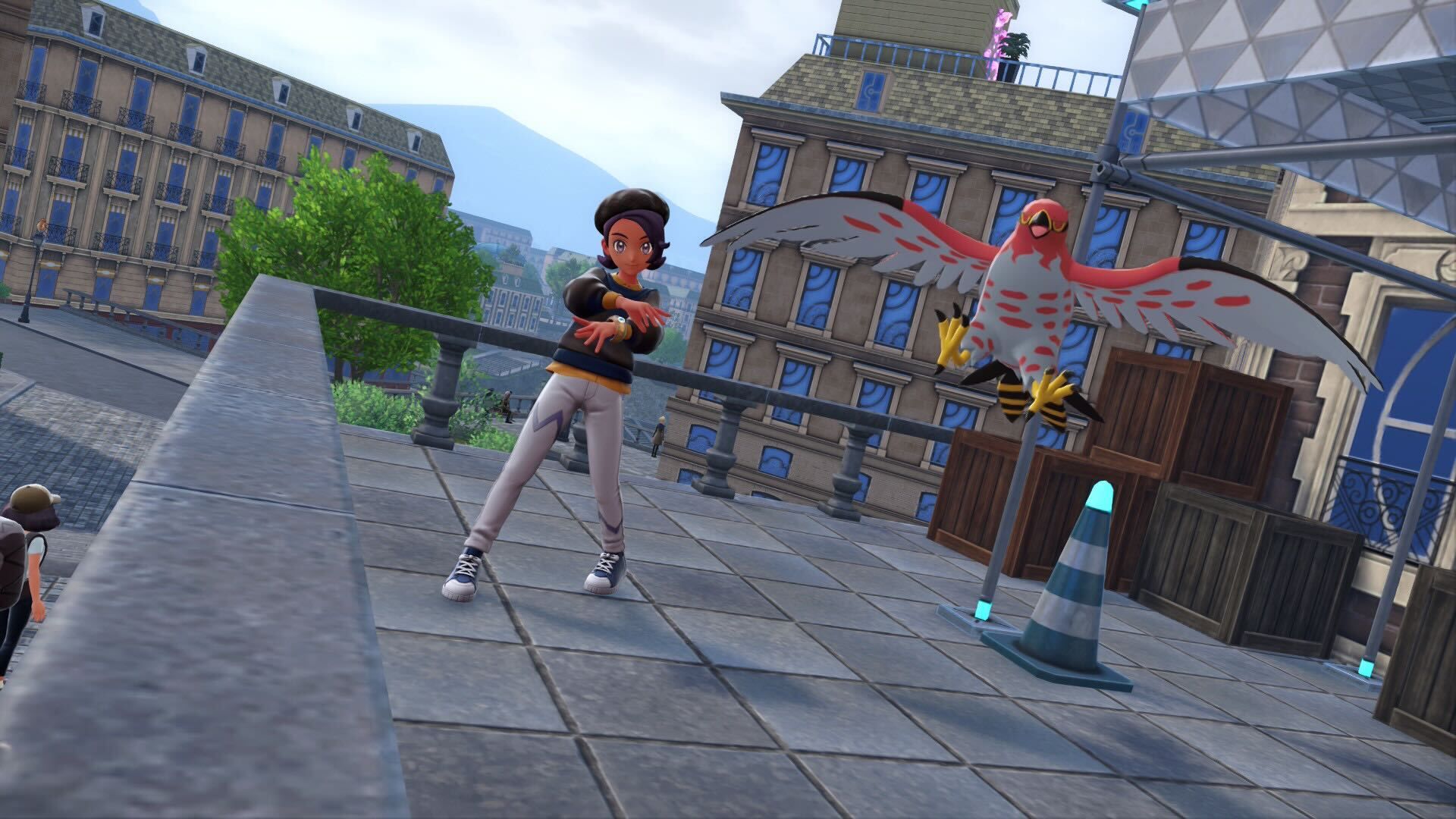
Jeff dives into how Pokémon Legends: Z-A is trading the empty fields of the past for a dense, high-performance urban playground in Lumiose City, proving that even old pocket monsters can learn new, real-time tricks.
Right, so I’ve been tinkering with the latest reports from the digital frontlines all morning, and bloody hell, the Pokémon landscape is shifting faster than a Ditto in a hall of mirrors. You remember Pokémon Legends: Arceus, don’t you? It was that wild, experimental spell that Game Freak cast back in 2022—revelatory, sure, but it felt a bit like a collection of napkin doodles held together by hope and some rather jagged textures. It was the ‘beta test’ we all paid for, and we loved it for its ambition while squinting at its performance.
Enter Pokémon Legends: Z-A. According to a brilliant breakdown by Giovanni Colantonio over at Polygon, this isn’t just a sequel; it’s a total redirection of the energy. While the shared DNA is there, the game seems to have traded its hiking boots for some very chic Parisian loafers. But does a change of scenery and a frame-rate boost make it a better experience for us actual players? I’ve been reading the digital tea leaves, and here’s why I reckon we should be both excited and a tiny bit skeptical about this urban revolution.
### Smooth as Alchemical Silk
Let’s start with the big one: performance. We’ve all been there—trying to catch a flying Pokémon in Arceus while the frame rate chugged like a steam engine out of coal. It was a technical mess, let's be honest. But the word on the street (and from Polygon) is that Z-A is a significant glow-up. Specifically running on the Switch 2, the game finally looks like it belongs in this decade. We’re talking softened edges, stable performance, and Pokémon that don’t just ‘pop’ into existence five feet in front of your face like a jump-scare in a low-budget horror flick.
I’ve always suspected that the recent visual woes of the franchise weren't a lack of artistic vision, but rather a case of trying to cram a gallon of magic into a pint-sized bottle. With the Switch 2, it seems the bottle has finally grown. It makes me wonder—if they can get the performance right, what else can they fix? It’s a cautiously optimistic start, though I’m still keeping a skeptical eye on how the original Switch version holds up. No one wants to play a slideshow, mate.
### The Urban Jungle vs. The Empty Field
Arceus gave us vast, empty fields. It was the ‘Naturalist’ approach, which was fine for a bit, but eventually, those generic biomes started to feel like the same green wallpaper repeated for eternity. Z-A flips the script by containing everything within Lumiose City. Now, some might worry about feeling cramped, but think of it as a dense, magical concentrate.
Instead of sprinting across a barren wasteland, you’re navigating parks, alleyways, and rooftops. It gives the world a sense of character and ‘lived-in’ energy that the series has desperately lacked. It feels like a real step toward a world where Pokémon inhabit the environment naturally, rather than just being spawns on a map. From a Web3 perspective, this kind of dense urban design is fascinating—it’s the perfect blueprint for a digital ecosystem where space actually matters and every corner has a story (or a rare monster) tucked away.
### Combat: More Xenoblade, Less Waiting in Line
One of the most interesting tweaks is the combat system. Arceus tried to shake things up with the whole ‘Speed/Power’ mechanic, but it still felt like we were taking turns at a very polite, very slow tea party. Z-A apparently throws the tea set out the window in favor of real-time action, borrowing heavily from the Xenoblade school of thought.
We’re talking cooldowns, strategic positioning, and a pace that doesn’t grind to a halt every time a Bellsprout looks at you funny. This is a massive win for player engagement. It turns a static menu-crawl into something more visceral. It also gives defensive moves a reason to exist again—you aren't ‘wasting’ a turn to buff your defense if the battle is flowing around you in real-time. It’s a brave move for a franchise that usually clings to its turn-based roots like a Grimer to a sewer pipe.
### The Grind and the Fashion Police
Of course, it’s not all sunshine and Rare Candies. Colantonio points out a bit of a clash in the game’s core loop. In Arceus, you were a researcher; catching fifty of the same Pokémon made sense because you were literally writing the first book on them. In Z-A, you aren't a researcher, yet the ‘catch-a-thon’ quotas remain. It feels a bit like corporate busywork disguised as gameplay—a vestigial limb from the previous game that doesn't quite fit the new body.
But wait, there’s a silver lining for those of us who appreciate the finer things: the fashion. Lumiose City is leaning hard into its Parisian influences, offering boutiques that actually make you want to spend your hard-earned Poké-yen. It sounds superficial, I know, but in a world where our digital identity is becoming more important, having character customization that isn't just 'different colored hats' is a breath of fresh air. I’ve always said that if you’re going to save the world, you might as well look fabulous doing it.
### The Human Element: Missions and Bosses
Where the game seems to stumble is in its soul. Arceus had these charming, observational side missions—watching a Spheal roll down a hill is the kind of gaming memory that sticks with you. Z-A, at least in its current state, seems to have traded that whimsy for more generic ‘fetch and fight’ quests. It’s a classic trade-off: better mechanics, but perhaps a bit less heart.
Similarly, the boss battles have undergone a weird transformation. Arceus gave us grand, environmental setpieces with Frenzied Nobles that felt epic in scale. Z-A moves toward Mega Evolution fights in static arenas. The combat is technically better, but the spectacle has taken a hit. It’s like watching a world-class magician perform in a windowless basement—the tricks are great, but I miss the smoke and mirrors.
### The Verdict (For Now)
So, what’s the takeaway? Pokémon Legends: Z-A feels like the series finally growing up and moving into the city. It’s shedding the clunky technical baggage of the past and embracing a smoother, more modern identity. While it’s lost a bit of that ‘untamed frontier’ charm and some of the side-quest creativity, the improvements in performance and combat feel like a fair trade.
It’s a reminder that even the biggest franchises can learn new tricks if they’re pushed hard enough. Is it perfect? Probably not. But it’s a sign that the ‘Legends’ formula is evolving into something more sustainable and, dare I say, actually fun to look at. Just give me my Drilbur and a chic velvet jacket, and I’m ready to hit the streets of Lumiose.
*Original reporting and insights provided by Giovanni Colantonio at Polygon.*
Tags: Pokemon Legends ZA, Nintendo Switch 2, Gaming News, Game Design, Pokemon Evolution
Original article: Polygon