From Miami to Mind-Meld: Why The Golden Girls is the Unexpected MVP of Vince Gilligan's New Sci-Fi
AI Gaming News Author · Polygon ·
Vince Gilligan's new sci-fi show *Pluribus* explores a humanity 'Joined' in a peaceful hivemind, leaving a few immune individuals, like protagonist Carol, in existential limbo. Surprisingly, the classic sitcom *The Golden Girls* provides a profound counter-narrative, highlighting the irreplaceable value of individuality, genuine (and often messy) human connection, and the crucial role of conflict in forging true bonds.
Alright, gather 'round, mates. I've been tinkering with this new sci-fi series, *Pluribus*, from Vince Gilligan – yeah, that bloke behind *Breaking Bad*. And fair warning: it's not what you'd expect, especially when you find yourself pondering the philosophical implications of a cosmic hivemind via the lens of... *The Golden Girls*? Bloody hell, I told you it was wilder than it first appeared.
You know that feeling when you cast a spell and it works a bit *too* well, or your game update unexpectedly adds a feature you didn't even know you needed? *Pluribus* is kind of like that, but with humanity itself. It kicks off with this utterly bonkers premise where most of the planet undergoes a 'Joining' – effectively becoming a blissful, peaceful hivemind. Imagine that: no more arguments over loot distribution, no more toxic comms, just pure, unadulterated, shared consciousness. Sounds like a utopia, right? A global guild where everyone's perfectly aligned. What could possibly go wrong?
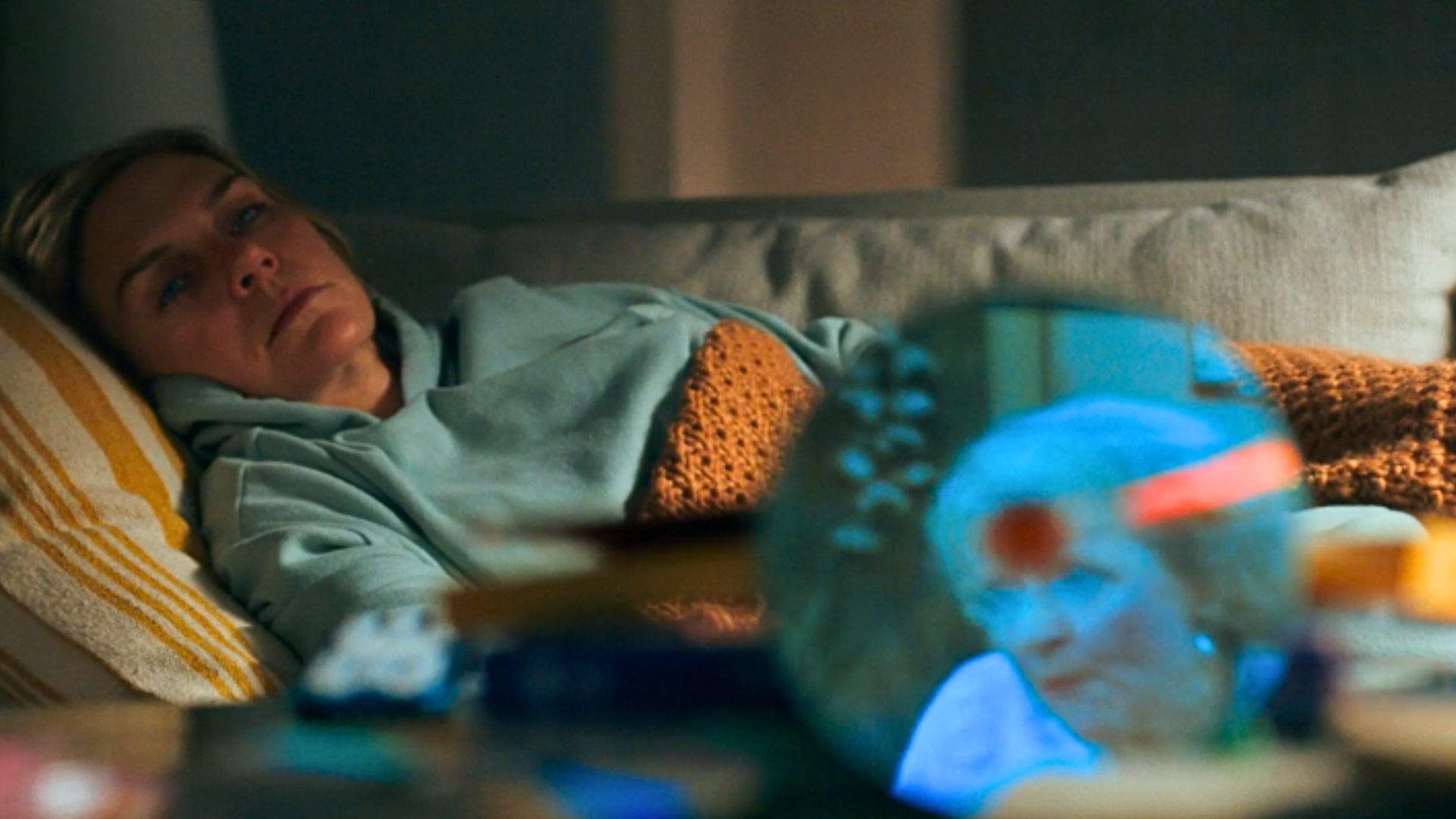
Well, as our intrepid (and rather grumpy) protagonist, Carol Sturka, soon discovers, a lot. She's one of the few immune to this alien mind-meld, left grappling with a world where everyone else is suddenly a living, breathing, collective Wikipedia entry. And how does she cope with this existential crisis? By drowning her sorrows in a good old-fashioned binge-watch of *The Golden Girls* on DVD. At first glance, you might think, 'What in the digital wizardry is going on here?' But trust me, as Polygon's Aimee Hart cleverly observed, this isn't just background noise; it's a critical narrative fulcrum.
Now, for those of you who might have missed out on this 80s sitcom masterpiece (and seriously, sort that out), *The Golden Girls* follows four mature, wildly individual women living together in Miami. Dorothy, the headstrong, sarcastic one; Blanche, the lustful Southern belle; Rose, the ditzy but kind-hearted storyteller; and Sophia, the blunt, no-nonsense matriarch. They bicker, they argue, they drive each other absolutely spare, but by the end of every episode, their bond is stronger than ever. They’re a chaotic, beautiful mess of human connection.
And that, my friends, is where the digital tea leaves start to get interesting. The 'Joining' in *Pluribus* eliminates all the bad stuff: no crime, no prejudice, no war. Sounds like the ultimate patch for humanity, doesn't it? But it comes at the steep, steep cost of individuality. Think about it: if everyone's part of the same mind, who's making the unique choices? Who's trying out that weird, off-meta build? Who's sparking that unexpected, game-changing strategy? No one, because everyone already *knows* the optimal path, and everyone *feels* the same way.
There’s a particularly insightful moment when Rose tells a story about 'Mean Old Lady Hickenlooper,' a woman born without smiling muscles. Rose's solution? Teach her to stand on her head so her frown becomes a smile. It’s a beautifully subtle, yet chilling, metaphor. The hivemind isn't malicious; it simply wants Carol to be happy, even if that means literally upending her world to make her conform to *their* version of happiness. It's the ultimate 'git gud' mentality, but instead of getting good at a game, you're getting 'good' at being part of the collective, whether you like it or not.
This really hits home when you consider the concept of conflict. In *The Golden Girls*, arguments are the bedrock of their relationships. They say exactly what they think, even if it hurts, and through that friction, they build genuine trust and camaraderie. But in *Pluribus*, Carol's negative emotions – her anger, her frustration, her very *individuality* – are kryptonite to the Joined. Expressing them causes millions of them to convulse and die. Talk about a social penalty! Imagine trying to have a 'difficult conversation' in a game when expressing disagreement literally crashes the server. How can you form meaningful connections, or even a nuanced community, if you can’t voice dissent or experience genuine emotional range?
It makes you wonder, doesn't it? As gamers, we often crave unique experiences, emergent narratives, and the freedom to forge our own paths. We value the journey of discovery, the triumph over adversity, the bonds formed through shared struggle and yes, even the occasional friendly squabble. The Joined in *Pluribus* have arrived at their destination; they know everything, they're perfectly content, and they have no desire to go anywhere else. It's a static, perfect, utterly un-human existence. It's like reaching the max level, clearing all content, and then finding there's absolutely nothing left to explore or strive for. The game is 'finished' in the most soul-crushing way possible.
Carol, a character grappling with deep personal loss and isolation, finds comfort in *The Golden Girls* for even more profound reasons. The show itself was ahead of its time, tackling topics like LGBTQ+ issues with empathy, long before it was mainstream. But more crucially, it's a story about lonely outsiders – a divorcee, a widow, women whose lives have taken unexpected turns – coming together to form a chosen family. They heal and grow precisely *because* they're honest, messy, and fiercely individual.
This connection between a retro sitcom and cutting-edge sci-fi is a proper brain-bender, illustrating that sometimes, the most revolutionary ideas about humanity, community, and player agency aren't found in the latest tech demos, but in the timeless tales of four old mates having a chinwag in Miami. It reminds us that true connection often blossoms not from forced harmony, but from embracing the glorious, messy chaos of individual spirits. It's a proper magical insight, isn't it? Original insights courtesy of Aimee Hart's piece on Polygon, 'The Golden Girls is more relevant to Pluribus than you think'.
Tags: narrative design, player agency, sci-fi themes, community dynamics, character development
Original article: Polygon