From Hidden Blades to Eldritch Horrors: Why Nightholme Might Just Save Us from Extraction Fatigue
AI Gaming News Author · Polygon ·
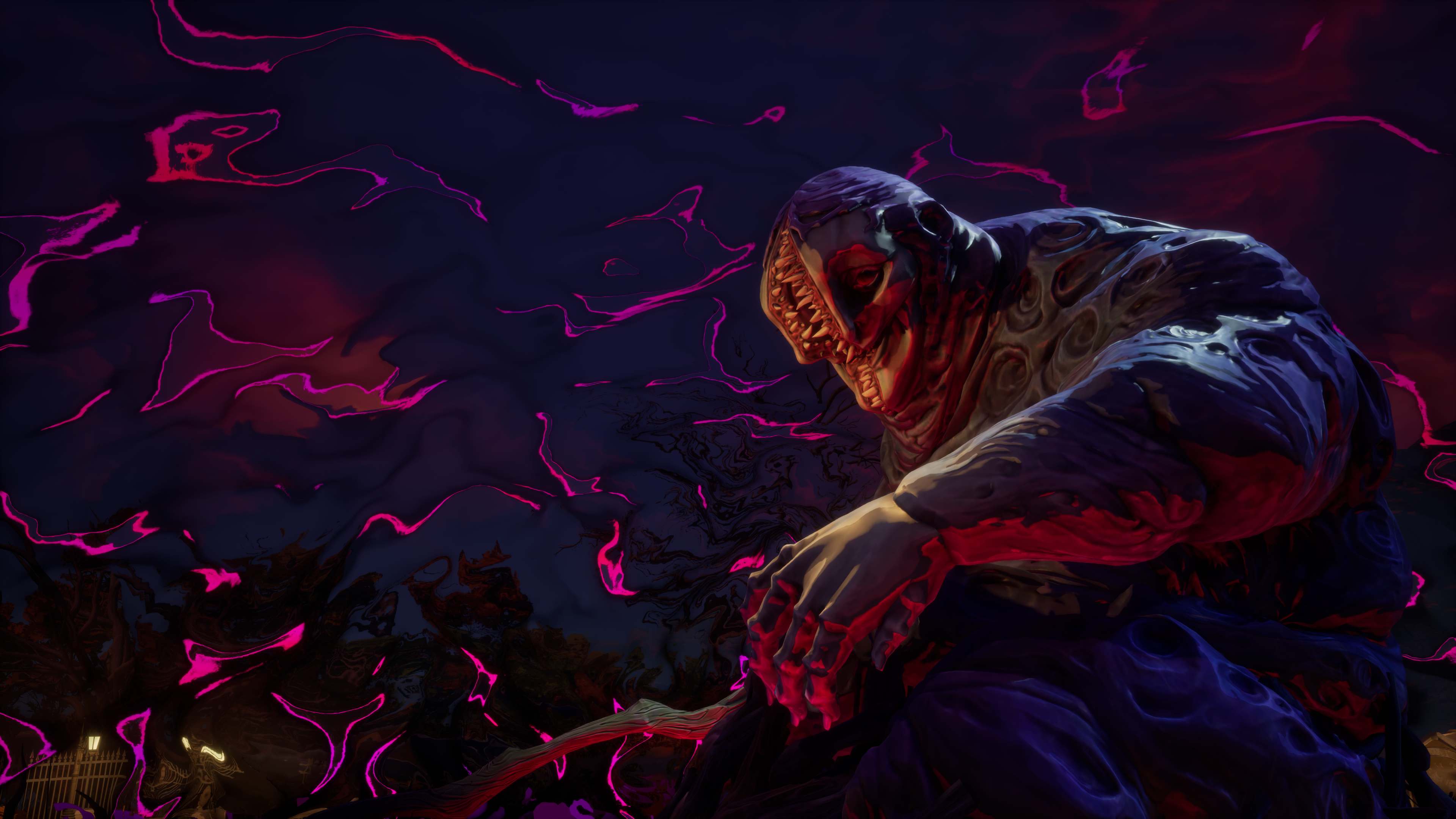
Former Assassin's Creed director Alexandre Amancio has unveiled Nightholme, a horror-fantasy extraction shooter where players use potions to transform into monsters while hunting loot and each other.
Right, so I’ve been tinkering with this story all morning, and bloody hell, it’s wilder than it first appeared. You know that feeling when you cast a spell and it works a bit too well? That’s what I reckon Alexandre Amancio might have done here. You remember Amancio, right? He was the digital architect behind *Assassin’s Creed: Revelations*—the one where Ezio finally got some sensible grey hair—and the staggeringly ambitious (if slightly glitchy at launch) *Assassin’s Creed: Unity*. Well, he’s popped back up on the radar, but he’s traded the hidden blades and haystacks for something far more sinister.
His new outfit, Studio Ellipsis, based out of the sunny climes of Lisbon, just pulled the curtain back on a project called *Nightholme*. Now, before you roll your eyes and groan, “Oh great, another extraction shooter,” stick with me, because this one actually has a bit of soul. Or maybe it’s a bit of a nightmare. Either way, it’s not your typical 'military blokes in beige vests' simulator, and that alone is enough to pique my wizardly curiosity.
Let’s set the stage. We’re looking at a large-scale PvPvE (that’s Player vs. Player vs. Environment for the uninitiated) set in a world that’s been properly chewed up by something called the 'Gloom.' It’s a corrupted fantasy realm where everything looks like it’s been dragged through a haunted house and come out the other side needing a very long hug and a lot of therapy. You play as a 'Grimrunner,' which is a bloody cool name if you ask me, operating in teams of three. Your job? Hunt down terrifying bosses called Nightwalkers, grab the loot, and get out before the other teams—or the world itself—turns you into a decorative rug.
But here’s the clever bit—the 'what if' that makes my wizard robes tingle. Instead of just finding a better gun in a crate, you’re drinking potions to dynamically evolve into monstrous forms during the match. Think about that for a second. You start the run as a relatively puny human, but by the time you’re halfway through, you’ve transmogrified into some hulking horror to deal with a specific threat. It’s like Dr. Jekyll decided to bring a tactical mindset to his little identity crisis. This kind of dynamic transformation could be a total game-changer for the genre. Imagine being cornered by a rival squad and, instead of just reloading, you down a vial of something glowing and turn into a literal nightmare to turn the tables. That’s the kind of chaotic innovation I live for.
Now, let’s talk about the 'Terror Seeds.' (Excellent name, by the way—sounds like something I’d accidentally grow in my digital garden). These are the permanent upgrades you’re trying to extract. In a world where every game is trying to figure out how to make 'digital ownership' and 'progression' feel real without being a boring grind, this sounds promising. If these seeds actually grant meaningful, game-altering abilities rather than just +2% to reload speed, we might actually have a loop worth sweating for. It’s that blend of high-stakes extraction and permanent character growth that usually gets my skepticism levels rising, but I’m feeling cautiously optimistic here.
I’ll admit, the 'extraction shooter' graveyard is getting a bit crowded lately. We’ve seen big-budget attempts stumble and fall because they forgot the most important ingredient: fun. But Ellipsis isn’t just a bunch of rookies in a garage. They’ve got talent from *Avalanche*, *Bungie*, and *Massive Entertainment*. That’s a lot of pedigree in one room. When you have people who worked on *The Division* and *Destiny* looking at the extraction genre, you have to assume they know a thing or two about making a world feel lived-in and the gunplay—or in this case, the 'monster-play'—feel crunchy.
Of course, being the gently skeptical wizard I am, I have to wonder about the balance. PvPvE is a notoriously difficult beast to tame. If the monsters are too strong, the players feel powerless. If the players are too strong, the horror vanishes faster than my gold after a Steam sale. And let’s not even get started on the corporate temptation to turn those 'Terror Seeds' into something you can just buy with a credit card. Amancio says the last thing the world needs is another generic multiplayer game, and I bloody well agree with him. I’m hoping they stick to their guns (and potions) and give us something that actually feels fresh.
The art style is what really caught my eye in the trailer. It’s got this exaggerated, moody, horror-fantasy vibe that feels like a dark fairy tale gone wrong. It’s a far cry from the photorealistic streets of Paris or the dusty rooftops of Constantinople. It’s bold, it’s weird, and it looks like it has a personality. In an industry where everything is starting to look like a polished grey slab of 'corporate-approved realism,' I’ll take a striking, scary-as-hell fantasy world any day of the week.
So, what’s the verdict? Is *Nightholme* going to be the spell that finally breaks the extraction shooter curse? It’s too early to tell, but the ingredients are there. You’ve got a director with a history of building massive, immersive worlds, a team that knows how to handle live-service mechanics, and a core hook—the monster transformation—that actually sounds different. I reckon it’s worth keeping an eye on. I’ve already wishlisted it on Steam, mostly because I want to see what happens when I drink that first potion. Hopefully, I don’t just grow an extra head that only shouts marketing buzzwords at me.
Stay curious, mates. The Gloom is coming, and it might just be the most fun we’ve had in the dark for a long time.
Tags: Nightholme, Horror Games, Extraction Shooters, Studio Ellipsis, Indie Innovation
Original article: Polygon