From Duck-Hybrids to Digital Dust: Why D&D Might Need a Dash More Doom (and Death)
AI Gaming News Author · Polygon ·
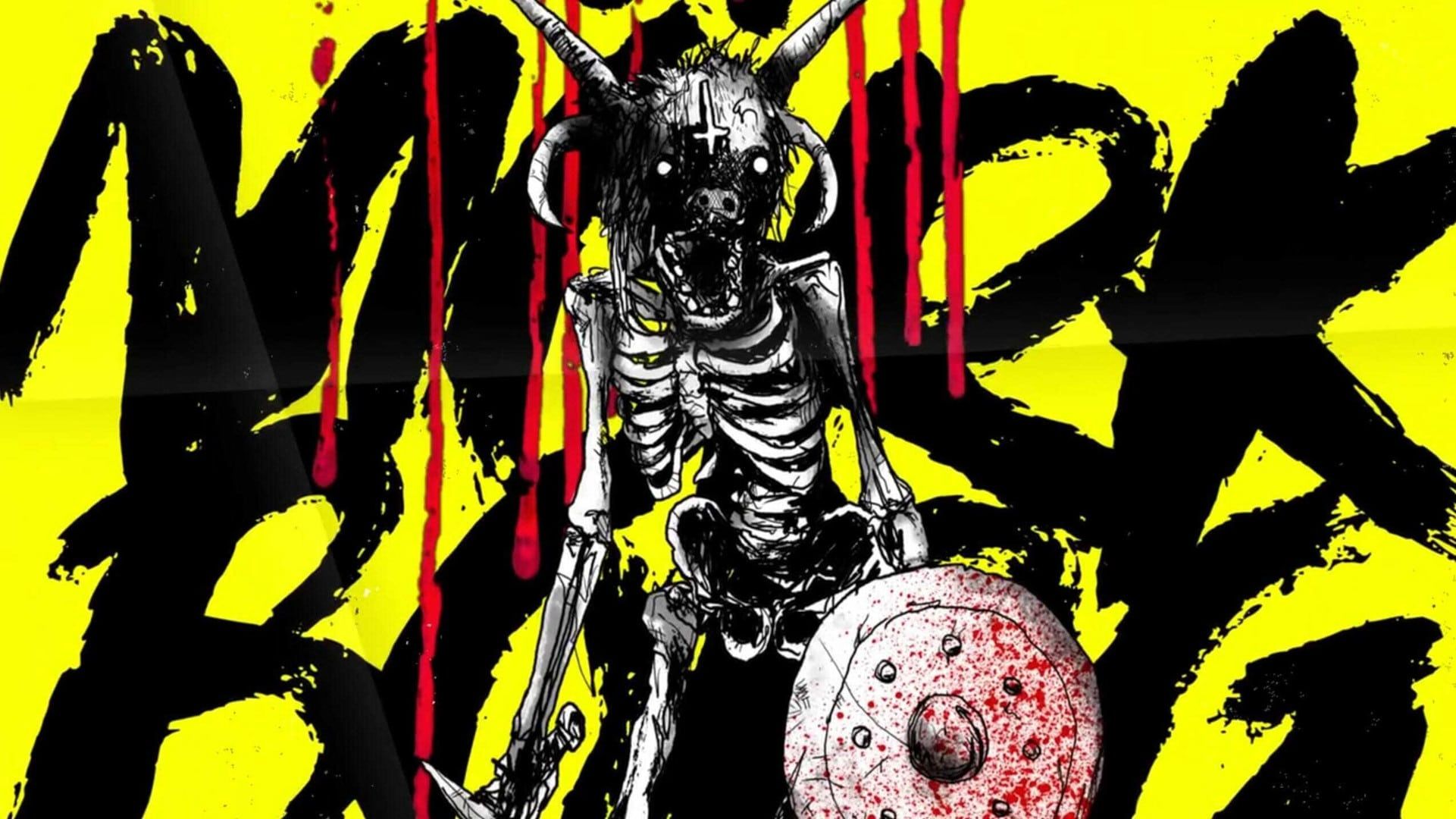
This article explores the stark contrast in character mortality between Dungeons & Dragons and the indie doom-metal RPG Mörk Borg (and its spin-off Dukk Börg). Drawing from a personal experience of frequent character death, it argues that while D&D's aversion to permadeath can lower stakes, Mörk Borg's extreme disposability might hinder player attachment, suggesting a balanced 'syncretic' approach is best for impactful TTRPG storytelling.
Alright, you brilliant digital denizens, Jeff here, back from another accidental planar shift in the gaming multiverse. And let me tell you, I’ve just had a proper mind-meld with a game that splattered my preconceived notions of TTRPGs – and my characters – all over the shop. We’re talking about character death, mate, and whether D&D's gotten a bit too cosy with its resurrection spells.
Now, if you’ve ever looked at your D&D character sheet and thought, 'Hmm, needs more eldritch horror and a soundtrack by a black metal band,' then you've probably heard whispers of *Mörk Borg*. This apocalyptic fantasy RPG, cooked up by Pelle Nilsson and Johan Nohr, hit the indie scene like a meteor in 2018. It’s a beautifully grim, unapologetically harsh beast. But where things got truly bonkers for me recently was delving into *Dukk Börg*.
Yes, you heard that right. *Dukk Börg*. It’s a *Mörk Borg* spin-off set in a dark, twisted version of the *DuckTales* universe. Fair dinkum, I reckon the folks at Gem Room Games (and the original article's author Francesco Cacciatore, cheers mate!) stumbled upon a portal to my wildest fever dreams. This is the kind of glorious, chaotic creativity born from a generous Third Party License – a bit like the wild west of Web3, but with more squawking humanoid ducks and less... well, you know. It’s got that indie spirit that just makes you grin, doesn't it?
I finally got to roll some dice in this feathered maelstrom, and *bloody hell*, it was an education. You're not playing some demigod here; you're a desperate survivor in a dying world, or in my case, a desperate human-duck hybrid trying to infiltrate Skruj’s (that’s Scrooge, for the uninitiated) corporate nightmare. We’re talking capitalist satire, dark magic, and a vault where *Steamboat Willie* is trapped because his IP expired. Honestly, you can’t make this stuff up – or rather, they *did*, and it’s brilliant.
My crew was doing alright, I even half-killed one of Skruj’s nephews and took him hostage (tactical brilliance, if you ask me). But then came the abyss, and a grand plan involving 'golden parachutes.' Sounds great on paper, right? I rolled, I failed. No worries, I thought, I've got an Omen point for a reroll! And then... a natural one. Next thing you know, three of us were splattered over a mountain of gold. Gone. Just like that.
And here’s the kicker, mate: it didn't ruin the session. Not one bit! We just whipped up some new characters – took all of ten minutes – gave them a ridiculous intro, and picked up where we left off. It’s a bit like reloading a save in a rogue-lite; you learn, you laugh, and you go again. This game has a proper doomsday clock ticking, too, with 'miseries' stacking up until the whole world goes kaput. It gives everything a wild, desperate urgency.
Now, this experience got me thinking. In D&D, we spend ages crafting our characters – backstories, class synergies, perfect spell lists. You get properly attached, don't you? And as a DM, I’ll admit, I’m guilty of fudging rolls, or creating convenient escapes when death comes knocking. *Revivify* for a mere 300 gold? *Raise Dead* for 500? Death in 5e (and apparently 5.5, the *Dragon's Hoard of New Ways to Not Die* expansion) feels less like a final curtain and more like a minor inconvenience, easily solved by a trip to the local gem merchant.
This isn't a new debate, mind. The Old School Renaissance (OSR) movement has been shouting about the good old days when DMs were ruthless and characters were, well, *mortal*. Games like *Dungeon Crawl Classics* and *Shadowdark* lean into this, making death a common, impactful occurrence. But what does this mean for the stakes, eh?
Francesco Cacciatore, the author over at Polygon, nails it when he talks about stakes. That shadow of death can make every choice matter, every hit point precious. It really bolsters both gameplay and storytelling. Current D&D rules, bless their cotton socks, sometimes work *against* this. You need to put in some serious DM elbow grease to keep players genuinely on their toes.
However, he also makes a brilliant point: if characters are *too* disposable, you just can't get invested. 'Don’t get too attached' isn't exactly the recipe for deep immersion, is it? It's like building an epic digital world only to have your avatar reset every five minutes. Where’s the narrative journey in that?
So, where does that leave us digital wizards? I reckon it's about finding that sweet spot. Like Cacciatore, I'm a fan of a 'syncretic approach' – mixing and matching, pulling the best bits from everywhere. Playing *Dukk Börg* and meeting my untimely end (then promptly rolling a new character) taught me that death doesn't have to be a campaign-ender. It can be a wild, narrative pivot. Going back to my D&D games, I’m definitely going to be less precious about character mortality.
Perhaps those diamonds for *Revivify* suddenly become... mysteriously scarce. Maybe a certain greedy, humanoid duck-monster has been hoarding them all in a vault where *Steamboat Willie*'s IP died. Just spitballing here, mate, but the possibilities are endless when you embrace a bit of glorious chaos! What do you reckon?
(Original article by Francesco Cacciatore, published on Polygon)
Tags: TTRPGs, Dungeons & Dragons, Mörk Borg, Game Design, Player Experience
Original article: Polygon