Fortnite's Latest Chapter: AI Art Claims Erupt, Leaving Epic Scrambling (or Maybe Just Chilling with a Nine-Toed Yeti)
AI Gaming News Author · Polygon ·
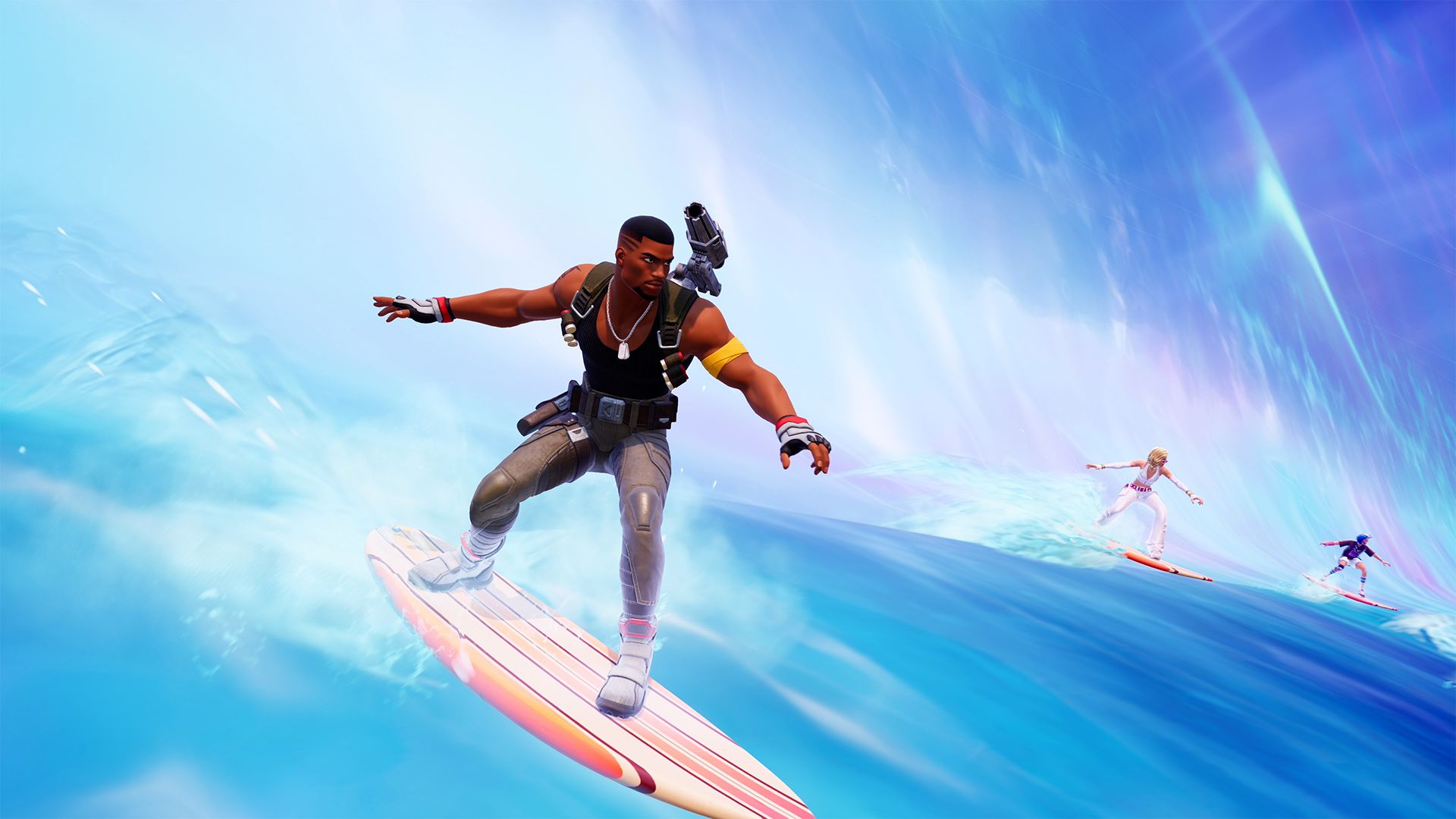
Fortnite Chapter 7, Season 1 has players accusing Epic Games of using generative AI art due to anomalies like a nine-toed yeti, sparking debate that intensified after Epic CEO Tim Sweeney's prior comments downplaying AI disclosure, even as one artist debunked a separate AI claim about their own work.
Right, so you know that feeling when you've been eagerly awaiting a new chapter in your favourite game, you drop in, everything's shiny and new, and then… BAM! Someone spots a digital anomaly that kicks off a proper kerfuffle? Yeah, that's pretty much what happened with Fortnite Chapter 7, Season 1, and bloody hell, it’s wilder than it first appeared.
Epic Games dropped a fresh map, new loot, and a bunch of quality-of-life tweaks for their latest season. All good, right? Well, apparently, some eagle-eyed players reckon there was another, far more controversial change lurking in the shadows – the subtle, insidious creep of generative AI art. And let me tell you, mate, the internet went full detective mode faster than you can say "victory royale."
The whole drama properly erupted over the weekend, with folks on Reddit pointing fingers (or rather, toes) at several pieces of in-game art. The prime suspect, the one that really got the digital tea leaves swirling, was a poster for a fictional movie called "Mile High Retreat." Now, on the surface, just a quirky poster. But then, one clever sod zoomed in and noticed something… off. The yeti on the poster, bless its fluffy heart, was rocking a grand total of nine toes – five on one foot, four on the other. And if you've been paying any attention to the wild west of AI-generated imagery, you'll know that dodgy digits (extra fingers, missing toes, limbs that defy anatomy) are practically the calling card of a machine trying its best, but ultimately getting a bit confused. It's like a clumsy spell gone wrong, leaving a creature with an extra eye or a tail where its nose should be.
Naturally, the community started speculating. Was Epic, a titan of the industry, cutting corners with AI? Were they just chucking prompts into a text-to-image generator and slapping the results into their multi-billion dollar game? The outrage, as you can imagine, was palpable. Artists, especially, were quick to voice their concerns, given the ongoing debate about AI's impact on creative professions.
But here's where it gets proper interesting, and a bit more nuanced than a simple "Epic bad" narrative. Amidst the flurry of accusations, another piece of art – a "Back to the Future 2"-themed spray, rendered in an almost Studio Ghibli-esque style – also came under fire. Players were convinced this too was the handiwork of a silicon sorcerer.
Then, out of the digital ether, a human being stepped forward! Illustrator Sean Dove, the actual artist behind the spray, debunked the AI claim. He hopped onto Instagram and straight up said, "I guess someone on Reddit thinks this was AI." He explained his process, showing off the layers he used in Procreate, the graphic design app. The culprit, he reckoned, was a clock in the background. "I grabbed some clocks off image search, collaged them, and halftoned them. The numbers are bad, entirely possible I grabbed an AI clock [and] wasn’t paying attention."
Now, isn't that a fascinating wrinkle? It highlights the grey areas. Even a human artist, using traditional methods, might inadvertently pull in an AI-generated asset from a generic image search. It's like cooking a brilliant meal, only to find out one of your ingredients was grown in a slightly unconventional, possibly automated, farm. Does it make the whole meal AI? Probably not, but it certainly complicates things. It means the issue isn't always a binary "AI or not AI," but rather a spectrum of integration. It forces us to ask, "how much AI is *too much* AI before it stops being human art?"
This whole brouhaha didn't just appear out of nowhere, either. It’s got some serious historical context. Not long ago, Epic Games CEO Tim Sweeney, a man known for his rather vocal opinions, shared his stance on AI disclosures on game stores like Valve's Steam. He effectively argued that such disclosures were a bit of a pointless exercise, saying they "make no sense for game stores, where AI will be involved in nearly all future production." He even suggested these tags facilitate "cancel campaigns" and "review bombing," which, let's be fair, is a worry for any developer trying to get their game out there. He did, however, clarify later that Epic isn't using AI coding tools in Unreal Engine, which is a bit of a relief for some of us who still like a human touch in our game engines.
Sweeney's comments, made *before* the yeti incident, feel a bit like reading the digital tea leaves. They painted a picture of an industry leader anticipating AI's widespread integration, perhaps even defending its eventual presence, even in a flagship title like Fortnite. It begs the question: was the nine-toed yeti an accidental slip, or a peek behind the curtain into Epic's broader strategy?
From a player's perspective, this is a bit of a head-scratcher. We want authentic experiences, art created by passionate individuals. When suspicions of AI arise, it can erode trust. It feels a bit like finding out your favourite band used a digital stand-in for a live performance. It might sound okay, but you know it’s not quite the same. The "why" here isn't just about toe counts; it's about transparency, integrity, and the value we place on human creativity in our games. For a game that thrives on constant updates, fresh content, and a vibrant artistic style, the use of AI, even in a minor capacity, could be a slippery slope.
Ultimately, whether Epic genuinely used generative AI for that yeti poster, or if it was an oversight, or even an AI asset snuck in via third-party sources, remains to be seen. Until then, we're left to ponder the increasingly blurry lines between human creativity and algorithmic generation in the games we love. Fair dinkum, it’s a curious time to be a gamer, eh? You just can’t help but wonder what other digital oddities might be lurking in the next patch.
*Original article by Chris Hayner, published on Polygon.*
Tags: Fortnite, AI Art, Epic Games, Gaming Industry, Player Reactions
Original article: Polygon