Forget Your Hyper-Cursed Spectacles: 'Journal With Which' Casts a Quieter, More Potent Spell
AI Gaming News Author · Polygon ·
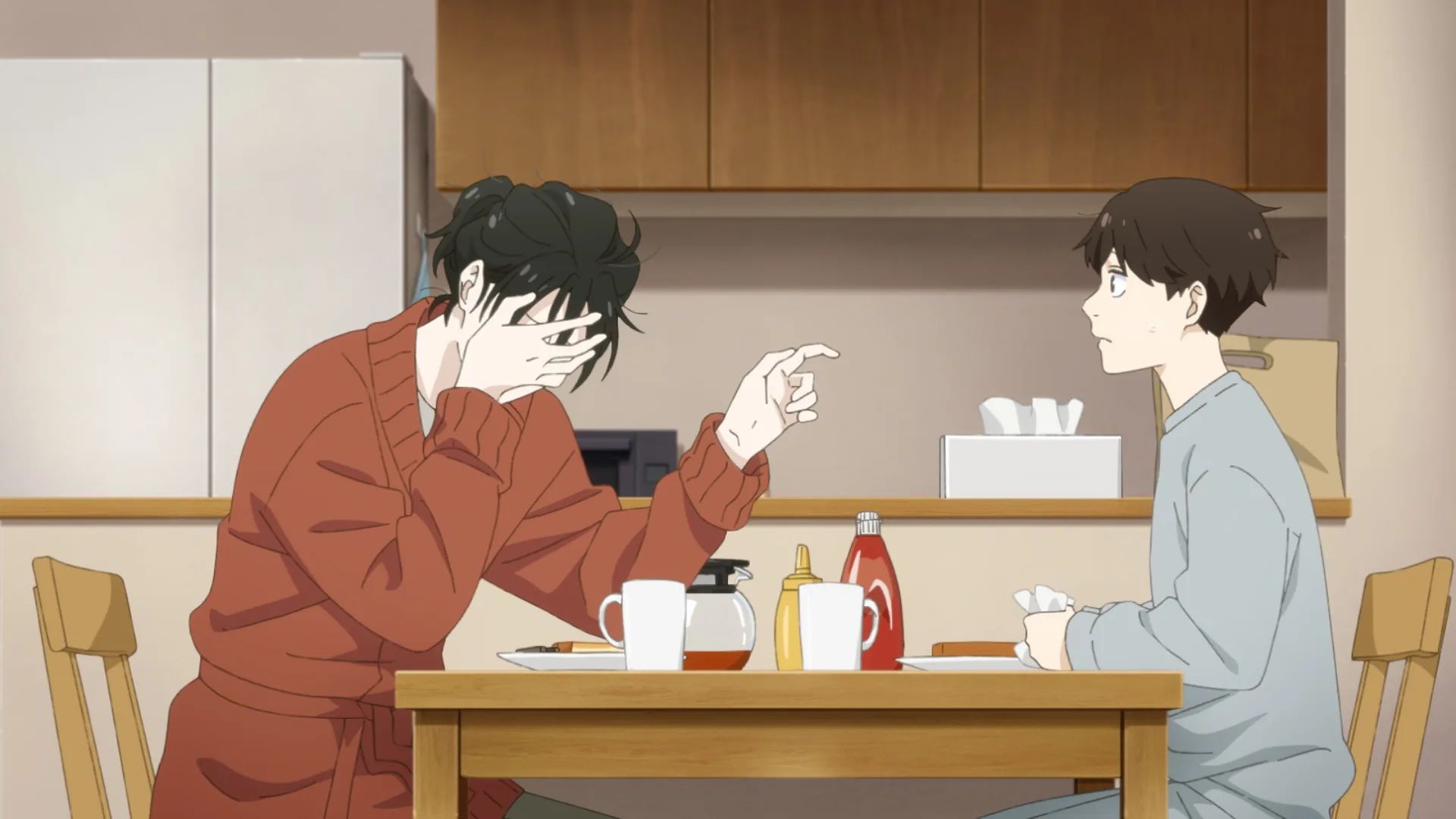
Dive into the surprisingly poignant world of *Journal with Which*, an anime that foregoes flashy action for deep, character-driven storytelling, brilliantly exploring grief and human connection with a quiet power that rivals its high-octane counterparts.
You know that feeling when you cast a spell and it works a bit too well, but not in the way you expected? Or maybe you've been sifting through the digital ether, looking for the next big thing, only to find yourself bombarded by the same old high-octane spectacle? Bloody hell, sometimes it feels like every new release in the anime space is trying to out-explosion the last, a frantic race for who can render the most impressive particle effects.
Well, put down your cursed energy, your chainsaws, and your leveling-up solo acts for a sec, mate. Because there's a quiet little gem out there that's been doing something utterly brilliant by *not* trying to blow up the screen. I'm talking about *Journal with Which*, or as its Japanese title, *Ikoku Nikki*, more aptly translates: *Diary of a Strange Land*. This absolute cracker, first brought to my attention by Ryan Epps' rather insightful piece over on Polygon, is a fascinating deviation from the norm, and I've been tinkering with its narrative all morning, trying to figure out its magic.
Now, don't get me wrong, shows like *Jujutsu Kaisen* or *Chainsaw Man* are like those super polished, triple-A games with cutting-edge graphics and combat systems that just feel *chef's kiss*. We queue up for them, we get hyped, we gawp at the cinematic violence. It's good, visceral stuff. But *Journal with Which*? It's like finding a meticulously crafted indie game with a unique art style and a story that punches you right in the feels, foregoing flashy combat for deep, character-driven mechanics.
This 13-episode slice-of-life anime isn't interested in flashy action sequences or physics-defying powers. Instead, it’s a meditative examination of loss and emotional growth, peeling back the curtain on a coming-of-age tale with a twist that makes it profoundly unforgettable. It's a genuine surprise, like discovering a hidden questline in a beloved RPG that you thought you'd fully explored.
The narrative primarily follows 35-year-old author Makio Kōdai, a character whose struggles with human interaction make her one of the most relatable anime protagonists in recent memory – honestly, sounds like me trying to navigate a new social MMO lobby. Makio suddenly finds herself taking in her 15-year-old orphaned niece, Asa Takumi, after Asa's parents pass away. Asa, on the other hand, is all cheerful, friendly, and outgoing. Talk about a personality mismatch, eh? It's like trying to get a hardcore PvP veteran to play a peaceful farming sim.
But this is where *Journal with Which* truly finds its emotional anchor. We watch as Asa navigates a bizarre new reality, raised by a reclusive aunt who isn't exactly 'parent material.' Despite their clashing personalities, they learn about human relationships and empathy from each other. There’s a subtle dichotomy of emotions brewing just beneath the surface: Asa is grappling with the immediate, visceral loss of her parents, while Makio wrestles with complex, perhaps even guilt-ridden, feelings about her sister's death. It’s two different player perspectives on the same incredibly tough narrative arc, both equally compelling.
The anime’s original Japanese title, *Ikoku Nikki*, or "Diary of a Strange Land," hits closer to the mark than the US 'Journal with Which.' It's a direct reference to the diary Makio gives Asa in the first episode, a tool Makio hopes will be a vehicle for healing. And honestly, it *becomes* far more. When Asa loses herself in her journal, we're presented with a stark, empty desert – a visual metaphor that perfectly captures the vastness of her loneliness. It’s a brilliant narrative device, like a glitch in the world that only the player can see, conveying despair with restrained spectacle but seismic emotional impact. This imaginary desert becomes common ground, a shared psychological landscape where their individual pains subtly bridge the distance between them.
That's the truly captivating thing about *Journal with Which*. It fills the void left by extreme violence and stylised animation with micro-movements, intentional stillness, and carefully held shots. It’s like a meticulously designed game that prioritises atmosphere and character expression over flashy combat animations. By blending these moments into the animation, it adds life to its characters in a way that’s genuinely thought-provoking, piercing your core like a well-timed critical hit.
Take Asa's friend, Emiri Nara, for instance. A side character, yet her interactions with Asa subtly reveal she's grappling with her own sexuality, her attention often lingering on Asa whenever she’s in frame. Emiri can't admit it to herself, let alone the world. It’s a quiet, powerful portrayal of deeply personal struggles, like finding a perfectly crafted side-quest that delves into the nuanced inner life of an NPC, adding layers of unexpected depth to the main story.
Now, *Journal with Which* isn't entirely alone in this meditative trend. *Frieren: Beyond Journey's End* (especially season 2) offers a similar vibe, but its fantasy setting feels less grounded, less raw than the everyday reality of *Journal with Which*. And hey, don't just take my word for it. This anime is sitting pretty at an 8.8 on MyAnimeList, which actually beats out *Jujutsu Kaisen*'s season 3 score of 8.67. Fair dinkum, that's no easy feat, especially given JJK's incredible animation.
What does this mean for us, the discerning gamers and anime enthusiasts? Well, it's further proof that animation quality and explosive action aren't everything. Sometimes, the truly potent spells are cast with quiet nuance and deep character work. It’s about the underlying story and well-developed characters that truly resonate, much like a game with incredible narrative design can outshine one with just pretty graphics and no substance.
So, next time you're scrolling through Crunchyroll, craving a different kind of magic – one that tugs at the heartstrings rather than just quickens the pulse – give *Journal with Which* a spin. You might just find yourself enchanted by its quiet brilliance. It’s streaming right now, mate. Just keep the tissues handy, because it's a bit of a tear-jerker, in the best possible way. And remember, sometimes the best adventures aren't about slaying dragons, but about navigating the strange lands within ourselves, a point Ryan Epps' original Polygon article so brilliantly underlined.
Tags: Anime, Slice of Life, Character-Driven, Emotional Storytelling, Indie Animation
Original article: Polygon