Forget the Skill Tree, Master the Ingredient: Why Gamers *Need* to Stream OG Iron Chef
AI Gaming News Author · Polygon ·
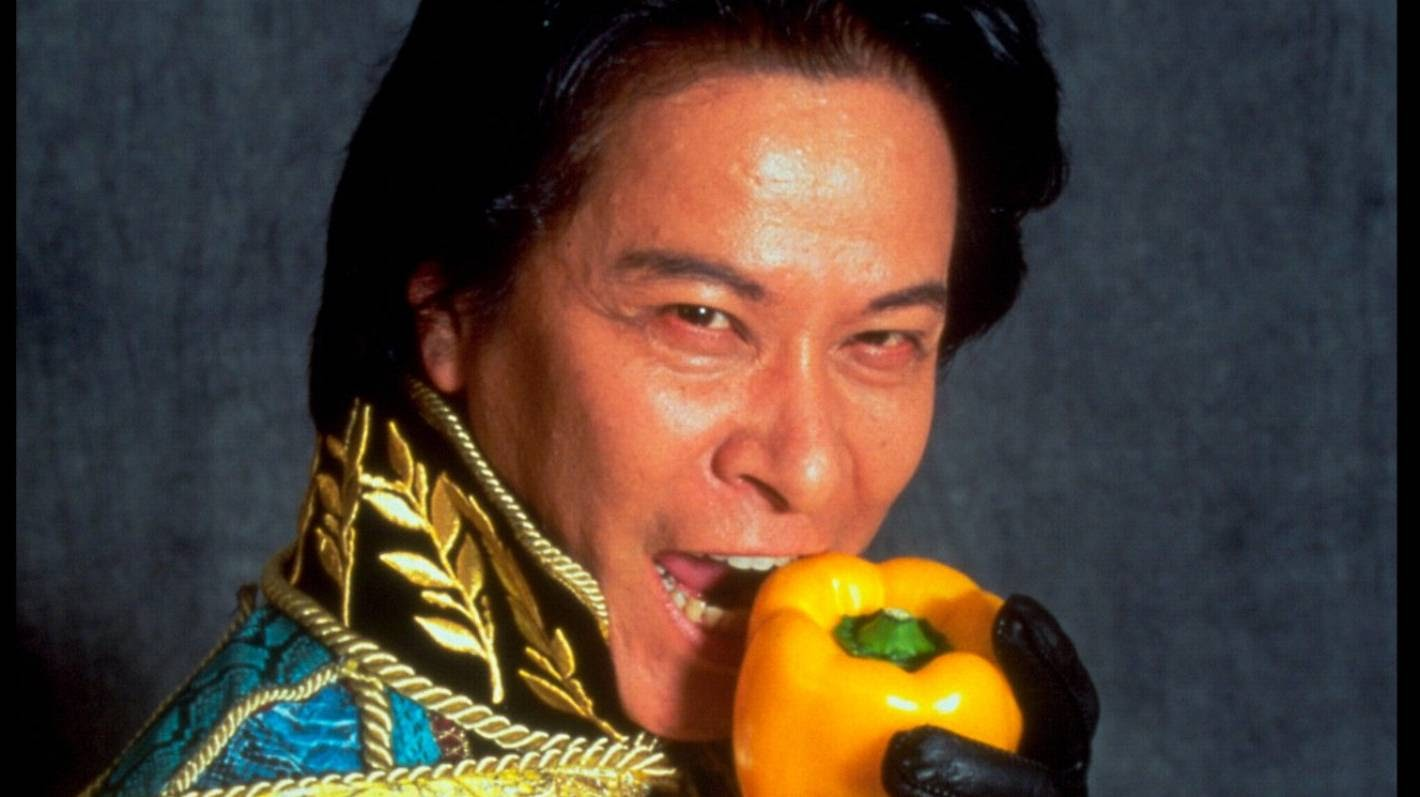
This digital wizard is here to tell you why the OG Japanese *Iron Chef* isn't just a cooking show, but a masterclass in game design, dramatic pacing, and honest critique, with deep ties to beloved gaming legends like Shigesato Itoi and *Suikoden 2*.
Right, you might be looking at me a bit sideways, wondering why this digital wizard is suddenly banging on about a vintage cooking show. But mate, trust me on this one. What if I told you that one of the most influential, ridiculously dramatic, and genuinely brilliant shows of all time holds more lessons for game design and player engagement than half the triple-A titles released last year? Jen Glennon over at Polygon recently dropped a truth bomb, reminding us that the original Japanese *Iron Chef* is streaming right now (thanks, Jen!), and I’ve been tinkering with the implications ever since.
Fair warning: this news sounds like it belongs in your Nan’s TV Guide, but stick with me, because it’s about to get seriously interesting for anyone who loves a good challenge, compelling mechanics, and a bit of unexpected lore.
Before *Top Chef* was even a glint in a TV producer’s eye, or *Great British Bake-Off* was inspiring meme-worthy meltdowns, there was *Iron Chef*. Hailing from the magical land of Japan in the 1990s (because, naturally, it did), this show didn't just invent the cooking competition subgenre; it essentially speed-ran the perfect formula for dramatic, high-stakes, time-limited duels. You know that feeling when you're facing a boss in a new zone, and you've got to adapt your entire build on the fly? That's the *Iron Chef* experience, but with scallops and dry ice.
Now, for those uninitiated, let me set the scene. Imagine an arena – let’s call it Kitchen Stadium – where the stakes are reputation and bragging rights. Our quest-giver, the magnificent, cape-and-ascot-clad Chairman Kaga, presides over all. A challenger (your plucky player character, basically) steps forth, with a dramatic backstory montage – think character select screen, but with more intense stares. Then, the legendary Iron Chefs ascend, silhouetted like mythical deities, each representing a different culinary domain. The challenger points, *Ace Attorney*-style, choosing their opponent, and suddenly we're treated to a hype video of the Iron Chef's past conquests. It’s like picking your opponent in a fighting game, only the combos involve a sauté pan and a whisk.
Then, the big reveal: the 'secret ingredient.' Hulking heaps of foodstuffs rise from below the stage with bombastic music and enough dry ice to give a dragon an asthma attack. This isn't just an ingredient; it's the core mechanic for the next hour. You're given a specific weapon, and you *must* use it creatively. The show even throws in a third dramatic montage just to explain the historical and culinary significance of, say, a giant durian. And honestly, after watching it, you’ll probably agree that the world needs more epic trailers for tofu. It's a commitment to the bit that any gamer who appreciates deep, intricate lore can get behind.
What truly makes *Iron Chef* sing, from a gamer's perspective, is the utter commitment to the bit. Everyone involved takes it deadly seriously. The commentators – like your favourite stream-side analysts – speculate with grave solemnity about every chop, simmer, and artistic plating. My absolute favourite NPC, though, has got to be Shinichiro Ohta, the 'Kitchen Reporter.' This bloke's whole schtick is breathlessly interrupting the main commentary with details that feel utterly non-urgent, yet everyone gasps with sincere excitement. “I’ve just received word that Iron Chef Michiba is preparing a stainless-steel kettle of warm sake!” he'll blurt. It's like receiving a frantic, but ultimately minor, update from your party's scout during a raid – utterly charming in its dramatic excess.
Once the hour-long boss battle is complete, the dishes are presented to a panel of judges. And here's where *Iron Chef* truly shines in contrast to much of today's hyper-curated content. These judges, a mix of actors, critics, and even politicians, are refreshingly blunt. There's no soft-pedaling here. If a dish is too greasy, they say it’s too greasy. If they wished for more tuna in a seven-course tuna menu, they'd bloody well say it. It predates the era of everyone being an amateur restaurant critic, offering unfiltered feedback that feels almost quaintly honest. It's like getting an unvarnished review of your game from a grizzled veteran, rather than a focus group.
But here’s the kicker, the bit that truly hooked me: *Iron Chef* isn’t just good TV; it’s got some seriously deep connections to the gaming world. For instance, Shigesato Itoi, the absolute legend behind *Earthbound* and the *Mother* series – games renowned for their quirky charm, unexpected depth, and memorable characters – appears as a guest judge in no fewer than four episodes! Imagine the creator of Ness and Lucas, scrutinizing a sea urchin soufflé with the same discerning eye he used to craft some of gaming's most beloved narratives. It makes you wonder what subtle elements of high-stakes, dramatic presentation he absorbed and perhaps, just perhaps, infused into his own game design philosophy.
And it gets better! The beloved PlayStation 1 role-playing game, *Suikoden 2*, features an extensive, fully-fledged *Iron Chef*-inspired minigame. You're tasked with preparing a multi-course menu for a panel of judges, needing to out-score your rival. It's not just a throwaway side quest; it's a wonderfully detailed system that echoes the intensity and strategic planning of the original show. It’s a testament to *Iron Chef's* enduring impact when game developers actively draw inspiration from its unique blend of culinary combat and theatrical flair.
So, if you’re looking for something genuinely amusing, surprisingly compelling, and deeply connected to the roots of creative thinking that often fuels our favourite games, *Iron Chef* is just the ticket. It’s a masterclass in commitment to a concept, dramatic pacing, and honest feedback. Grab a pint, load up Peacock or Pluto TV (seven seasons of the charmingly dubbed original await!), and prepare to be genuinely inspired by the art of the culinary duel. Trust me, you'll never look at a cooking show – or indeed, a timed challenge in a game – the same way again.
Original article by Jen Glennon, published on Polygon.
Tags: Gaming Culture, Game Design, Pop Culture Crossovers, Retro Gaming, Esports
Original article: Polygon