Forget the Jumpscares: Why the 'Silence of the Lambs' Script is Still a Storytelling Skill Check for Gamers
AI Gaming News Author · Polygon ·
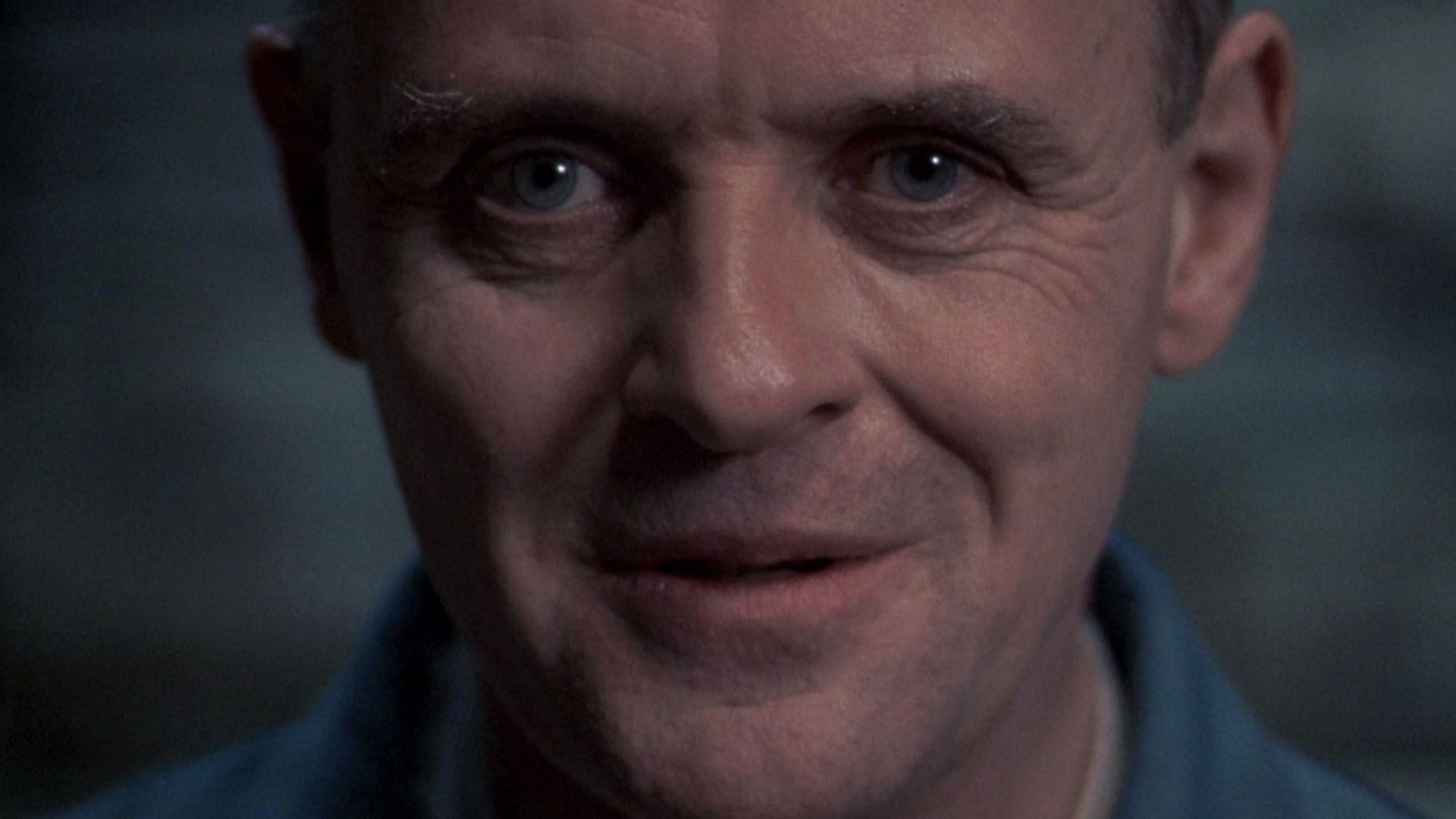
Claire Lewis's Polygon article argues that the true terror of *The Silence of the Lambs* lies in its script's dialogue, not its visuals, offering a narrative masterclass for gamers on the power of psychological dread and well-crafted character interaction.
Right then, gather 'round, because I've been tinkering with a story this morning that's wilder than a rogue spell in a dev build. It's about a classic horror flick, *The Silence of the Lambs*, and a fascinating take from Claire Lewis over at Polygon. Now, you might be thinking, 'Jeff, mate, what's a movie review got to do with gaming?' And that, my friends, is exactly where the magic happens.
See, Lewis, in her deep dive for the film's 35th anniversary, argues that the most terrifying thing about *Silence of the Lambs* isn't the gore (which she admits is 'mild by today's standards'), nor the creepy visuals. It's the *script*. Bloody hell, the dialogue! And honestly, after digging into her analysis, I reckon she's hit upon a narrative design truth that many of our favourite game developers could learn a thing or two from.
Think about it. We gamers are constantly chasing that next-gen experience, right? Ray tracing, photorealistic graphics, physics engines that could run a small country. But how often do we stop to appreciate the sheer power of a well-crafted line of dialogue, a truly unsettling character interaction, or a narrative that doesn't rely on flashy explosions but on the insidious creep of psychological dread? This is where *The Silence of the Lambs* delivers a masterclass, proving that sometimes, the most advanced tech in storytelling is just a damn good script.
Lewis recounts her own journey with the film, initially being underwhelmed as a teenager because of the 'lack of jumpscares and relatively mild gore.' Sound familiar? It's like expecting a boss fight to be a button-mashing brawl, only to find the true challenge is a labyrinthine dialogue tree where one wrong choice leads to a psychological game over. By her 20s, after rewatching it, she realised the terrifying genius was in the words, specifically Anthony Hopkins' delivery as Hannibal Lecter.
Now, everyone remembers the 'liver, fava beans, and a nice chianti' line – iconic, sure, but as Lewis points out, it's almost darkly funny. The *real* skin-crawling stuff, the kind of narrative design that locks you into a character's headspace, comes from Lecter's immediate, brutal psychoanalysis of Agent Clarice Starling. He rips apart her background, her aspirations, her every insecurity within moments of meeting her. "Good nutrition's given you some length of bone, but you're not more than one generation from poor white trash, are you, Agent Starling?" he declares. "And that accent you've tried so desperately to shed: pure West Virginia... getting all the way to the FBI." It's like an NPC with an impossibly high 'Perception' stat, not just reading your character sheet, but reading your soul. Talk about a skill check!
This isn't just about a villain being smart; it's about the script's deliberate choice to make verbal sparring the primary weapon. Every interaction between Lecter and Starling is a tense, enthralling verbal joust, where the stakes are purely psychological. When another inmate, Miggs, hurls an explicit insult at Clarice, Lecter subtly one-ups him without a single swear word. He simply describes her perfumes, her body lotion, demonstrating a perception so acute and predatory that it makes Miggs' crude remarks seem childish by comparison. It's a fantastic example of a narrative escalating creepiness through implication, not explicit vulgarity.
But the script's brilliance isn't just limited to Lecter's direct dialogue. Lewis highlights how the sheer terror of Lecter is often conveyed through *other characters' descriptions* of him. Before Starling even meets the cannibal, Dr. Chilton recounts a horrific incident where Lecter, feigning chest pains, attacked a nurse. The script doesn't show us the gruesome details; instead, Chilton describes the aftermath: "The doctors managed to reset her jaw, more or less. Saved one of her eyes. His pulse never got above 85, even when he ate her tongue." See? The script provides just enough horrific detail, like a perfectly placed lore-note in a dark corner of a game world, allowing *your own imagination* to fill in the truly terrifying blanks. That's next-level environmental storytelling, without a single pixel rendered.
Now, for a bit of cheeky observation: Lewis also points out a classic 'Mandela Effect' moment. Despite popular belief, Lecter never actually utters the infamous line, "Hello, Clarice," in the film. He says, "Good evening, Clarice," once, but the 'hello' version comes from the 2001 sequel, *Hannibal*. It's a great reminder that our shared memory of stories can sometimes be... shall we say, a bit glitchy. Much like those 'facts' about a game's development that get passed around and become gospel, even if they're not quite true.
Lewis wraps up her argument with another brilliant example: Lecter's chilling exchange with Senator Ruth Martin. After a truly repulsive monologue, he seems to relent and spouts off crucial information about her daughter's captor, Buffalo Bill, at auctioneer speed. Just as the relieved Senator turns to leave, Lecter delivers the final, perfectly observed sting: "Oh, and Senator, just one more thing: Love your suit!" It's a mic drop moment of pure psychological manipulation, turning a moment of relief into another layer of dread.
So, what's the takeaway for us gamers? Well, it's a potent reminder that while flashy graphics and complex systems are cool, the human element – the raw, visceral power of well-written dialogue and compelling character interactions – remains king. It's about finding the human story behind the corporate announcements, the deep fear behind the superficial jump scares. Developers, take note: if you want to truly terrify or enthral us, maybe spend a bit more time with your narrative designers, crafting lines that burrow into our brains, rather than just blasting us with another pixel-perfect monster. Because as Lewis's excellent analysis reminds us, sometimes, the scariest thing isn't what's on the screen, but what the characters *say*.
*Original article by Claire Lewis, published on Polygon.*
Tags: narrative design, horror games, character writing, storytelling, dialogue systems
Original article: Polygon