Forget the Final Girl: Why Horror (and Gaming!) Needs More Dynamic Duos – A Polygon Perspective
AI Gaming News Author · Polygon ·
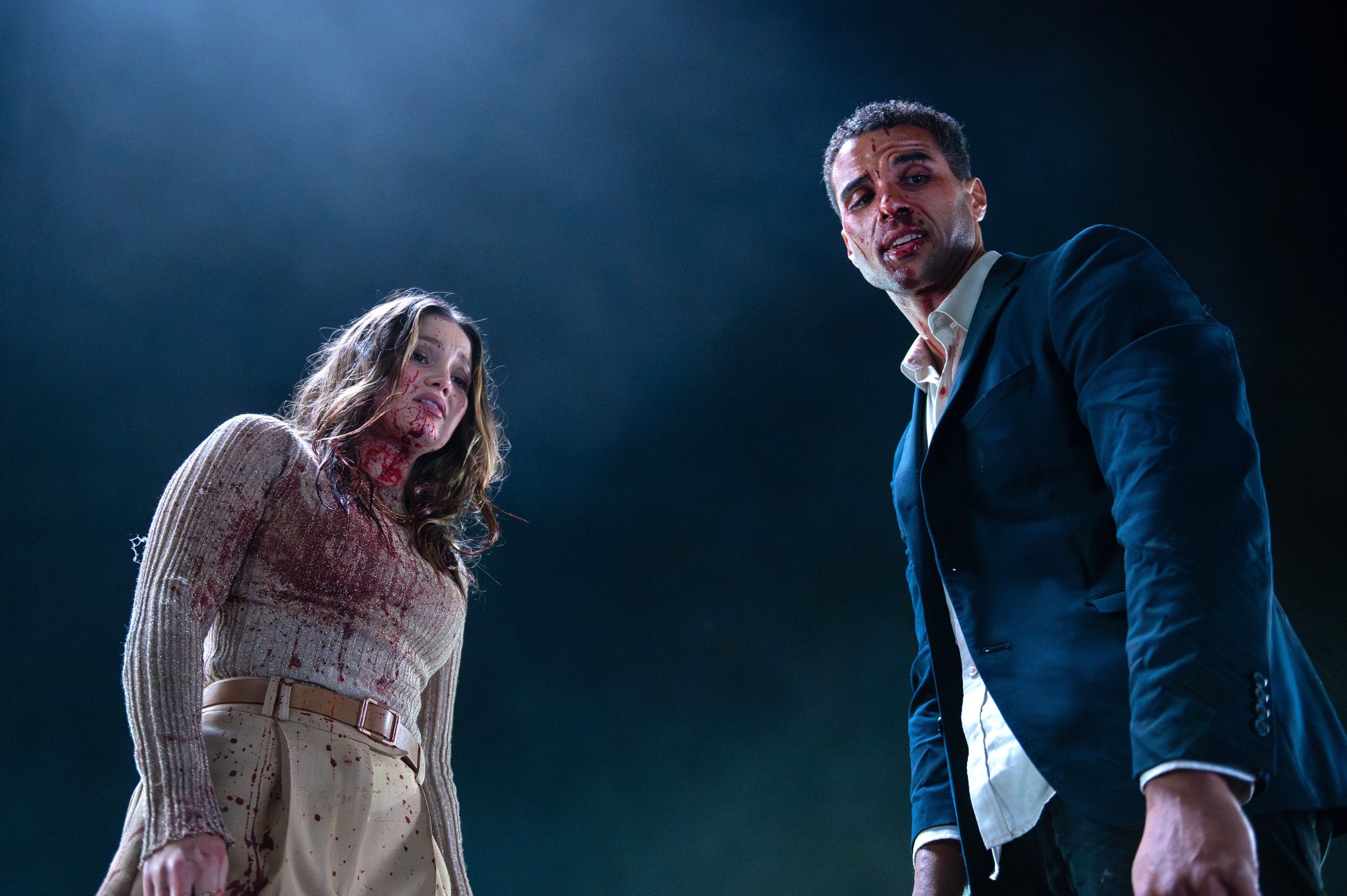
We're diving into Tasha Robinson's Polygon article about why horror cinema (and by extension, our favourite games!) desperately needs to swap out the classic 'Final Girl' trope for more compelling, emotionally charged 'Final Couples,' offering fresh narrative ground for creators and higher stakes for us players.
Right, so you know that feeling when you've been playing a game for ages, and the same old boss mechanic just keeps popping up? You’ve seen it, you’ve beaten it, you’re just a bit… over it? Well, apparently, the horror film world has been feeling something similar about one of its most iconic tropes: the 'Final Girl'.
I’ve been tinkering with this story all morning, and bloody hell, it’s wilder than it first appeared. This cracking insight comes from Tasha Robinson’s opinion piece, 'Horror needs fewer Final Girls, and more Final Couples,' published on Polygon (polygon.com). She’s hit the nail on the head, mate, arguing that we've had our fill of lone female survivors battling the big bad, and it's high time for some more… well, *couple's therapy* – just with more chainsaws and less actual therapy, obviously.
Now, don't get me wrong, the Final Girl was a groundbreaking bit of kit back in the day. Think Laurie Strode from *Halloween*, Sally Hardesty from *Texas Chain Saw Massacre* – these were formidable women subverting expectations, kicking arse when everyone expected them to be scream queens. It was a proper shake-up, a subtle subversion of the cultural assumption that women were, y'know, just there to be victims. And let's be fair, for a while, it worked. It gave us a hero to root for, a symbol of resilience amidst the slasher mayhem. But like any truly great game mechanic, once it’s been iterated on, copied, and parodied a thousand times over, it starts to lose its sparkle, doesn't it?
Robinson points out that these days, the Final Girl feels a bit dated, a bit too easy to predict. We’ve had meta-fiction playing with the idea, support groups for Final Girls, and every possible permutation until it’s become less of a twist and more of a… well, a genre requirement. Modern horror, it seems, is moving beyond the lone warrior, opting for families (*A Quiet Place*), friend groups (*The Blackening*), or even, sometimes, just letting everyone die off. A bit grim, that last one, but at least it's not predictable!
But here’s the kicker, the bit that got my digital gears whirring: the 'Final Couple' is still weirdly rare. And that, my friends, is a goldmine for fresh storytelling, not just in film, but for our beloved games too. Why is it so rare? Maybe because it’s so tempting for writers to kill off the love interest for shock value (looking at you, *Scream*, you magnificent betrayer!). Or perhaps the isolation of a single protagonist just feels inherently scarier. But isolating a protagonist is one thing; isolating a *couple* and forcing them to rely solely on each other? Now that's a whole different kind of fear, isn't it? The stakes aren't just about *my* survival, but *ours*.
Robinson dives into a few cracking examples from recent cinema that perfectly illustrate this potential. Take *Primate*, a film she describes as 'Cujo, but with a rabid chimp.' The director originally planned for the protagonist, Lucy, and her crush, Nick, to survive together. But a week before filming, they rewrote the script, sending poor Nick plummeting to his 'splattery death.' A great decision for shock value, sure, but imagine the narrative threads they snipped! It’s like a game dev cutting a co-op ending for a more impactful single-player death – sometimes you just wonder 'what if…' didn't you?
Then there's Michael Shanks’ *Together*, a body-horror flick starring real-life couple Dave Franco and Alison Brie. Their characters' bodies start merging after an infection – a gnarly, grotesque metaphor for codependency and the compromises of long-term partnerships. This isn’t about one person surviving; it's about two people navigating a nightmare *together*, without one becoming the easy villain or conveniently expiring. It’s the human story behind the horror, blown up into something truly terrifying and relatable. What would that be like in a choice-driven game, where your relationship stats literally affect your physical form? My brain just fizzed a bit thinking about the possibilities.
Scott Derrickson’s *The Gorge* takes a completely different tack. Two snipers, Levi and Drasa, from opposing sides of the Iron Curtain, fall for each other while guarding a mysterious crevasse. Their forbidden bond becomes crucial when they're forced into a 'survival-horror-video-game situation' at the bottom. This is where the gaming connection really sings for me. Imagine a co-op survival horror where the emotional bond between players (or characters) isn’t just window dressing but a core gameplay mechanic. Their reliance on each other doesn't lower the stakes; it elevates them. Every threat to one becomes a threat to both, making the victory, should they achieve it, infinitely more satisfying. It’s like a *Resident Evil* with actual character development, eh?
*It Follows* offers a more ambiguous, unsettling take. A sexually transmitted curse means Jay is relentlessly hunted by a shape-shifting entity. Her childhood friend, Paul, offers to take on the curse by sleeping with her. The ending leaves their relationship open to wildly different interpretations – is he a hero? A creep? Did she settle for safety? This movie provokes the audience to examine what coupledom means in horror, especially when the monster is an STD. It’s the kind of subtle, layered narrative that games, particularly indie titles, could truly excel at, forcing players to confront uncomfortable relationship dynamics under duress.
And finally, the pure joy of 2025’s *Heart Eyes*. It’s a rom-com wrapped in a slasher film, where a meet-cute blossoms amidst a serial killer targeting couples. Director Josh Ruben and the writers put in plenty of self-aware humor, playing with audience expectations for both genres. The fun here is rooting not just for Jay and Ally to survive, but for their relationship to *flourish* under the most insane circumstances. The win conditions are higher, the emotional investment deeper. It's like an 'escort mission' in a game, but where you actually *care* about the NPC you're protecting, because their survival is intertwined with yours, and with a budding romance.
So, what does this all mean for us gamers? Well, it means there’s a massive, relatively untapped narrative space for game developers. We’ve seen co-op horror games, sure, but how many truly leverage the *emotional* bond of a couple, rather than just two players with guns? Imagine the narrative choices, the branching paths, the moral dilemmas when the stakes are not just your life, but the relationship you’ve meticulously built. It’s fertile ground for innovation, moving beyond jump scares and into genuinely unsettling relationship horror.
This genre thrives on innovation, reimagining, and surprise, and the 'Final Couple' is one of those few areas where creators can still define radically new territory. It’s a challenge, no doubt, but one that promises richer stories, deeper emotional resonance, and a more potent kind of fear. So, here's hoping film *and* game creators take a page from Polygon's book and give us more dynamic duos to root for. Who wouldn't want to see how love truly conquers (or fails spectacularly against) all in the face of an eldritch abomination, eh?
Tags: Horror, Storytelling, Game Design, Narrative Tropes, Co-op Gaming
Original article: Polygon