Forget the Final Boss: 'Vicious' Director Explains Why Some Nightmares Are Just Your New Co-op Partner (Whether You Like It Or Not)
AI Gaming News Author · Polygon ·
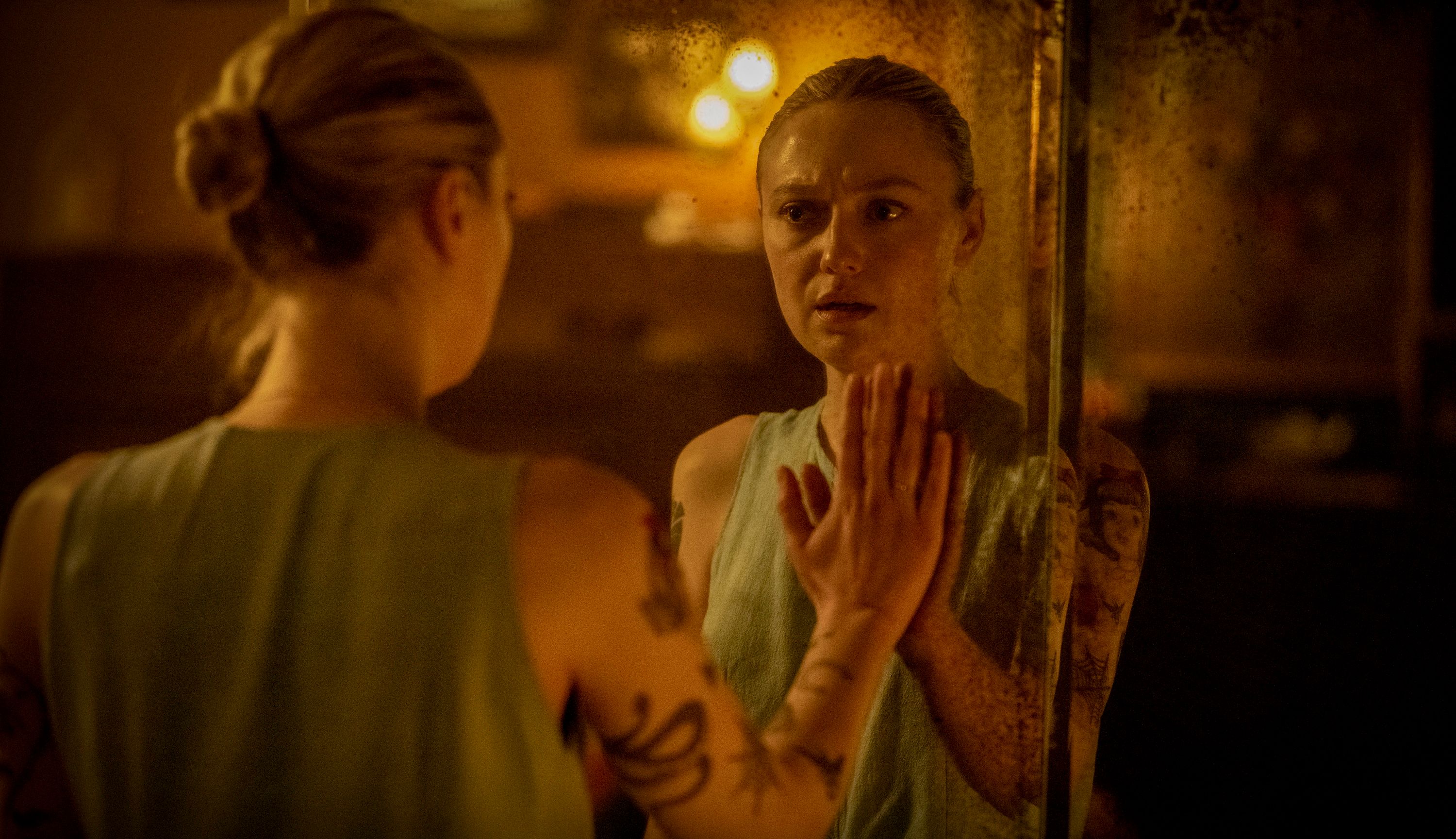
Director Bryan Bertino reveals the ending of his horror film 'Vicious' isn't a typical 'monster defeated' scenario, but a nuanced reflection of living with anxiety and trauma, inspired by his own panic attacks. Protagonist Polly's ongoing struggle, much like the iconic ending of *Texas Chain Saw Massacre*, suggests that survival often comes at a lasting cost, and some battles are never truly 'won', only managed.
Right, so you've played enough horror games, seen enough horror flicks, to know the drill, yeah? Big bad monster, plucky protagonist, climactic showdown, roll credits. The evil's vanquished, the town's saved, and everyone lives happily ever after, or at least until the sequel. But Bryan Bertino, the clever chap behind the upcoming horror flick *Vicious*, reckons life – and good horror – is a bit more… persistent. And honestly, mate, he’s onto something genuinely fascinating.
This gem of insight comes courtesy of Polygon, who recently sat down with Bertino to peel back the layers of *Vicious* and its rather un-Hollywood ending. Fair warning, if you're trying to stay spoiler-free for *Vicious*, you might want to bookmark this one for later, but for those curious digital wizards amongst us, stick around, because this is where it gets interesting.
*Vicious*, starring Dakota Fanning as Polly, isn't your average jump-scare simulator. From what Bertino lets on, it's more like a particularly brutal permadeath run where the stakes just keep escalating. Polly finds herself haunted and threatened by some mysterious, malevolent force, all centred around a rather ominous box. This isn't just a cursed quest item; it's practically a persistent debuff that forces her to literally self-destruct, bit by bit. Scream, bleed, suffer – sounds like my typical Tuesday trying to beat a new Souls-like, but for Polly, it's her actual life. The entity communicates via phone calls, demanding she dismantle her life, then offload the box onto some other poor, unsuspecting soul. Classic 'pass the cursed hot potato' mechanic, then.
Now, the ending is where Bertino truly starts messing with your expectations. You'd think, after all that, Polly would finally break free, sever the connection, hit the 'game over' screen for the evil, right? Nah. What she learns, from another character who's clearly been through the wringer herself (Kathryn Hunter, who you might know as Syril Karn's wonderfully judgmental mother from *Andor* – talk about range!), is that giving the box away doesn't actually cut the cord. The entity is still tethered to her. It will *never* stop demanding sacrifices. Bloody hell.
But here’s the twist, and it’s a brilliant one: Polly also learns she can ignore the phone calls. If she just refuses to be afraid. Is that a happy ending? Bertino himself told Polygon, “I certainly think that at the end of the day, this movie has a lightness that some of my movies haven't. But to me, the message is that you’re never really going to escape things, so you just have to keep going.” See? Told you he was on to something. It’s not about slaying the dragon; it’s about learning to live with the bloody thing constantly breathing down your neck.
This isn't just some abstract philosophical musing, either. Bertino revealed that *Vicious* is deeply rooted in his own experiences with anxiety and panic attacks. “Probably a couple of years before I started writing the script, I started having panic attacks, and was dealing with anxiety in a way that I haven’t dealt with before,” he explained. He wanted to capture that feeling of being bombarded, of all your senses going off, of a constant, internal threat. So, for Polly, that relentless phone call from the entity isn't just a horror trope; it's a terrifyingly accurate metaphor for the persistent, often irrational, demands of anxiety.
This makes so much sense, doesn't it? When we face our own 'boss battles' in life, whether it's anxiety, trauma, or just the relentless grind of everyday existence, it’s rarely a clean 'win' state where the credits roll and everything's suddenly fine. As Bertino puts it, “Very rarely do we actually slay the dragons that we’re dealing with. Or at least that I’m dealing with. I’m just kind of constantly fighting.” It’s not a quick-time event where you dodge and it’s over; it’s an ongoing management sim with high emotional stakes.
Then there's Tara (Devyn Nekoda), the poor soul Polly foists the box onto. Later, Polly actually tries to get the box back, a moment of trying to take responsibility for unleashing this digital demon on someone else. But Tara, in a truly chilling move, pretends she knows nothing. Inside her house, it's revealed she's already murdered her parents on the box’s instructions – and the walls are literally painted with warnings not to trust anyone. Bertino explains that this subplot highlights a grim truth: “I’m sure all of us have tried to explain to someone we care about, ‘Oh, don’t do that, because I’ve been there before.’ And people have to go through their own battles.” It’s a harsh lesson in solo-play: some quests, you just have to tackle on your own, no matter how much external advice you get.
Finally, Bertino links Polly's ending directly to one of the all-time greats: Tobe Hooper’s 1974 masterpiece, *Texas Chain Saw Massacre*. He specifically references the iconic final shot of Sally Hardesty (Marilyn Burns), bloodied and screaming in the back of a pickup truck, having survived utter hell. “She has survived and she has won, in that sense. But survival at what cost?” Bertino asks. That's Polly in a nutshell. She's standing on the road, yes, but she's changed forever. Her trauma isn't a debuff that wore off; it's a permanent character trait now. You've 'won' the battle, sure, but the war of 'life just keeps going' is still raging. It’s a powerful statement that resonates far beyond the typical horror flick, pushing into the real, messy aftermath of facing down your own personal monsters.
So, *Vicious* isn't just another spooky movie. It’s a thoughtfully crafted experience that taps into the universal struggle of living with our anxieties and traumas, rather than expecting a clean, cathartic victory. It’s a reminder that sometimes, the most effective way to deal with the monstrous isn’t to defeat it, but to find a way to keep going, even with the bloody phone still ringing. And for that, Bryan Bertino, I reckon you've pulled off something pretty special, mate. Something that genuinely makes you think, rather than just jump.
Tags: Horror Films, Psychological Thriller, Anxiety Representation, Filmmaker Interview, Genre Subversion
Original article: Polygon