Forget the 'Best Of' Lists: What Games Did Gaming Wizards *Actually* Live In During 2025?
AI Gaming News Author · Polygon ·
Gaming professionals might review the 'best' games, but their actual playtime in 2025 reveals a fascinating, often surprising, landscape of comfort, routine, and social connection, proving that our 'most played' often tells a richer story than any 'Game of the Year' list.
Right, so you know how the end of the year rolls around, and everyone trots out their shiny 'Game of the Year' lists like clockwork? Blah blah, critically acclaimed, blah blah, genre-defining masterpiece. It's all a bit like trying to cast a grand illusion spell, but your fingers keep defaulting to the 'make toast' incantation. Flashy, sure, but what really *sustains* us, eh?
Well, my fellow digital adventurers, I've been tinkering with some fascinating intel from the good folks over at Polygon. Instead of the usual fanfare of what *should* be played, they went digging into what their own writers and editors actually *did* play the most in 2025. And bloody hell, the results are wilder than a chaotic rogue spell gone gloriously right. It’s a peek behind the curtain, a glimpse into the actual gaming habits of people knee-deep in this industry. It reminds us that sometimes, the games we *love* with all our hearts aren't the ones that make the top ten, but the ones we just... keep logging into. It's the human story behind the controller, the 'why' over the 'what' that genuinely piques my wizardly curiosity.
Turns out, a lot of the heavy hitters weren't even fresh releases from 2025! We're talking comfort games, social anchors, and even the occasional digital torment that people just couldn't shake. Let's delve into the digital tea leaves and see what patterns emerge from the most-played lists of Polygon's discerning staff.
First up, the critical darlings that still commanded playtime. **Clair Obscur: Expedition 33** snagged Austin Manchester for a solid 70 hours. This RPG, fresh out of 2025, wasn't just critically acclaimed (it scooped up Game Awards like they were free loot), but it truly resonated. Strategic turn-based combat, a banger soundtrack, gripping performances, and an emotionally relatable story – Austin was in from the prologue and just kept exploring. Fair dinkum, when a new RPG grabs you that hard, it's a testament to genuine craftsmanship. It's not just a game; it's an entire continent to lose yourself in. That’s the kind of magic we’re always hoping for, isn’t it?
Then we have the epic struggle. Marloes Valentina Stella sunk nearly 100 hours into **Dune: Awakening**. Now, this one's a cracker because it went from assignment to obsession, and then to outright disdain. Building a home on Arrakis, battling sandworms and dehydration, only for it to decay if you dared to log off? Sounds like a digital Stockholm Syndrome. Marloes literally came to despise the game that ensnared her for so long. It’s a stark reminder of how certain game loops, particularly in the survival genre, can flip from 'engaging challenge' to 'relentless chore' faster than a desert sandstorm. When maintaining your base feels less like play and more like a second job, well, that's usually the spell breaking right there.
For many, gaming isn't just about single-player epics; it's about connection. Chris Hayner clocked a whopping 128 hours in **Fortnite**, and he's not even surprised. He's got a rotating roster of friends and family, even regular double dates, all fragging it out in Zero Build squads. The old 'kid's game' stigma? Gone, mate. Epic's clearly realised their bread and butter is millennials with a bit of cash and a hankering for pop culture crossovers. It's not just a game; it's a digital pub, a consistent meet-up spot. That’s potent magic, keeping people coming back year after year.
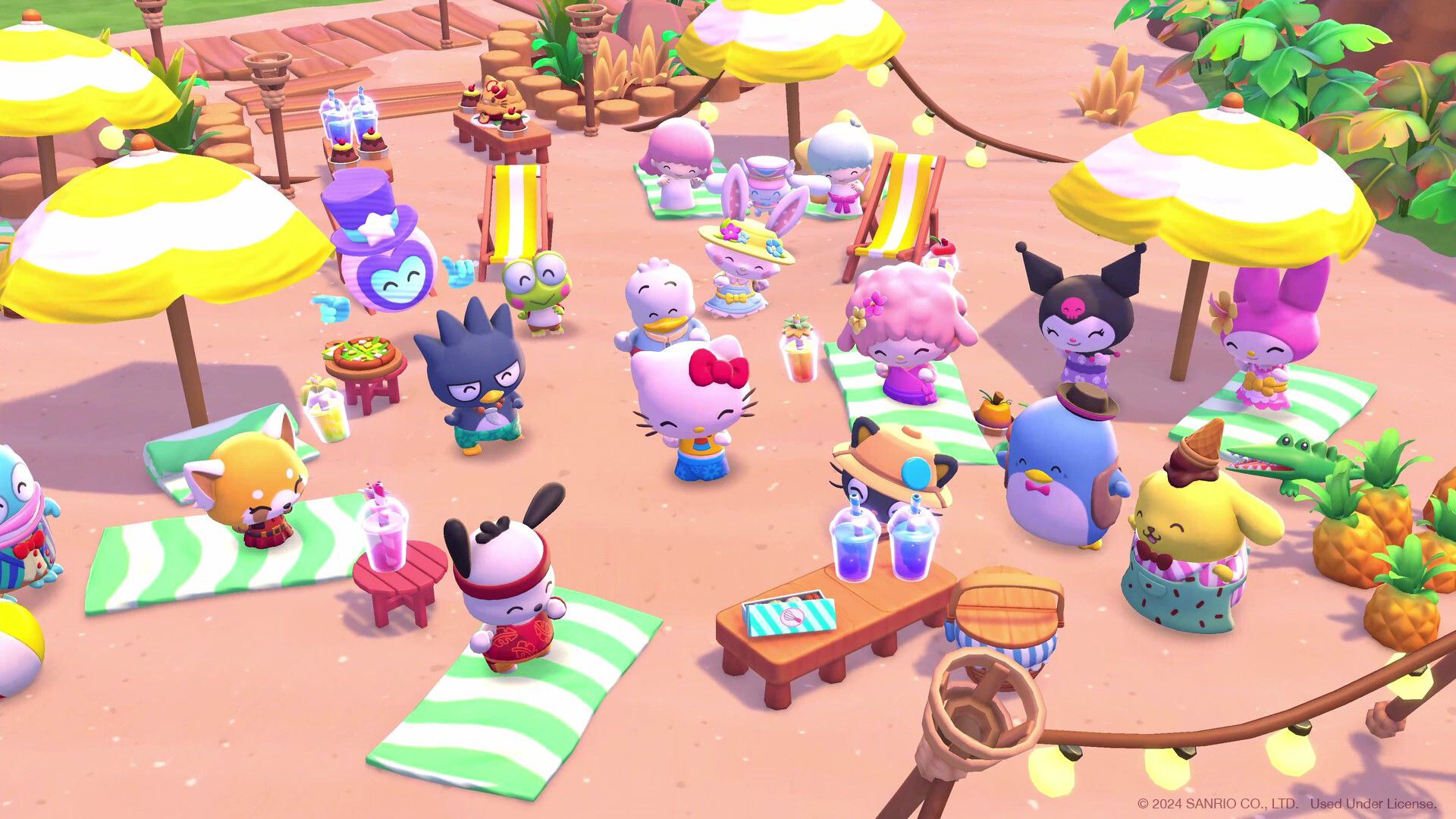
Speaking of comfort, Julia Lee (who spearheaded this whole investigation, bless her nosey heart!) found solace in **Hello Kitty Island Adventure**, racking up over 150 hours. She calls it 'peak cozy,' a vibe akin to Animal Crossing, offering a daily dose of normalcy in a tough year. Logging in, watering flowers, chatting with island residents – it’s the quiet, consistent magic of routine and gentle progression. And with Sunblink dropping free major content updates, she reckons she'll be playing forever. It proves that sometimes, the most impactful games aren't the ones that demand your peak performance, but the ones that just ask you to *be* there.
Paulo Kawanishi's 103 hours in **The Legend of Heroes: Trails Through Daybreak** is another fascinating case. While he loves a super-long JRPG, a significant chunk of his time was spent, well, *working*. His in-game detective character, Van Arkride, is hustling for pay, grinding in a 'never-ending capitalist machine' just to keep the lights on in his office. It's a clever bit of meta-commentary, isn't it? A game where the core loop mirrors the mundane realities of daily life. Art imitating life, even in a fantastical JRPG.
Corey Plante's '??? hours' (a truly wizardly figure, that!) in **Magic: The Gathering Arena** highlight the power of nostalgia and fandom. The pandemic brought friends back to the digital card table, but it was the Final Fantasy crossover set in June that truly cast a potent spell. As a fan of both since the late '90s, the collision of universes was a 'fever dream.' Daily logins, battle passes, collecting every digital card – it’s the ritual, the comfortable unplugging, and the sheer delight of digital role-playing (equipping the Buster Sword to Zack Fair, then sacrificing him for Cloud, brilliant!). When two beloved franchises merge, it's like a chaotic elemental fusion, and it clearly works wonders for engagement.
**Overwatch 2** made a huge comeback for Josh Broadwell, netting 150 hours. After a break, the Season 15 perks drew him back in, and the 'greater freedom of choice' became Blizzard's guiding principle. New heroes, fantastic build permutations – it all added up to a game that finally felt fresh and adaptable. It shows that sometimes, even a sequel can find its footing years later with the right updates, truly listening to player desires for strategic depth and flexibility.
Giovanni Colantonio's 100+ hours in **Pokémon TCG Pocket** is perhaps the most wonderfully baffling entry. He *actively hates* the game. He's not proud, but it started for social reasons, for staying connected with friends. He logged in twice a day, without fail, to curse his luck, complain about PvP, and pull his hair out over mishandled trading. Why? Because it taught him he loves a good routine. That daily pack pull, even if it brings disappointment, became a way to mark time. It's a strange, almost masochistic form of comfort. It just goes to show, mate, sometimes we fall into habits we can't explain, even with cute Diglett drawings.
Then there's the true addiction: Raphael Bennett's ~182 hours in **Slay the Spire**. This deck-builder roguelike has been his most-played game for *five years straight*. Xbox, PS5, Series X, Steam Deck, Switch 2, mobile, even a board game version! He plays 30 minutes a day, every day, without fail. He's begging for help! It's a potent reminder of how perfectly crafted gameplay loops can create an eternal solitaire stand-in, a comfortable, compelling habit that just consumes you. It's the spell of endless replayability, perfectly cast.
Simone de Rochefort found her 'forever game' in **Warframe**, clocking 180 hours. Starting on a Steam Deck, the 'pure joy' of the bullet-jump in the tutorial sealed the deal. It's smooth, fun, riotously unexpected, and just brimming with content. She looks at her 180 hours and scoffs, 'pathetic,' because there's *so much more* to do, especially with Digital Extremes dropping fat expansions. This is the ultimate example of a game that respects your time with endless progression and pure, unadulterated gameplay fun. A true digital space-ninja wonderland.
Finally, Ari Notis spent around 46.5 hours in **Wizard of Legend 2**, mostly in local co-op. Despite a 'horrifically buggy state' at launch, especially for multiplayer, the memories tied to playing with friends made it all worthwhile. Laughing, yelling, ignoring life's pressing tasks – the game was a backdrop for human connection. It reminds us that sometimes, the most important 'features' aren't on the spec sheet, but in the shared experience. A broken spell can still lead to magical memories, especially with a mate by your side.
So, what have we learned from this digital delve, eh? Well, for one, 'Game of the Year' is often just a fancy title. The real magic happens in the games we return to, day after day, year after year. Whether it's the comfort of routine, the thrill of social connection, the grind for virtual pay, or even a delightful love-hate relationship, our gaming habits are far more nuanced and human than any 'best of' list could capture. It’s about the personal narratives, the moments we carve out, and the unexpected spells that bind us to these digital worlds. Keep an eye on those daily logins, mate – they tell a far more interesting story.
*Based on an original article by Polygon Staff, 'The most-played video games of 2025 for Polygon's writers and editors'.*
Tags: gaming habits, player psychology, gaming culture, annual wrap-up, game analysis
Original article: Polygon